
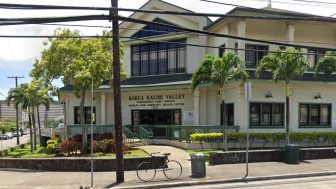
YMCA of Honolulu – Kalihi Branch
1335 Kalihi Street
Honolulu, HI 96819
 Sponsored
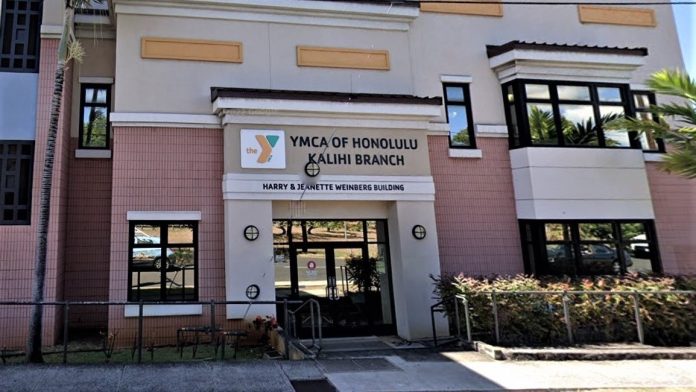
About YMCA of Honolulu – Kalihi Branch
Serving the community of Honolulu, Hawaii, the Kalihi Branch of the YMCA offers outpatient addiction treatment programs for kids and teens. For kids in grades six through 12, the YMCA has a mental health and substance abuse program that is free of cost. Students may self-refer to this program or enroll through participating schools. This YMCA also provides outpatient treatment to youths referred through the Family Court and Juvenile Drug Court Program.
These outpatient programs for teens support physical and emotional wellness as well as academic achievement. During treatment kids can expect to participate in journaling, drawing, practicing positive self-affirmations, and ways to relieve stress. While in these programs, teens will also identify support systems and develop new ways to navigate a substance-free lifestyle. Kids will practice positive social connections by interacting with their peers.
The YMCA Safe Teens program is known as the Ho'o Kupa'a program. It consists of a safe and structured environment for teens to hang out outside of school hours. Teens can drop in or register at any of the school or community sites. This program helps kids connect to jobs, advance in higher education, and keep them on track. While in sessions, the kids can learn problem-solving skills, academic success, leadership skills, and healthy living strategies. Later, as teens transition to early adulthood, YMCA support staff can help with future educational and employment opportunities.
One person said they love this branch, the location is very convenient. Another person said this is a great service where kids can come every day after school.
Amenities
Private drug rehab provides a comfortable, secure environment that allows you to focus on doing the work to get your life back on track. Benefits include a higher staff-to-client ratio, increased one-on-one time with therapists and healthcare providers, private rooms for clients, and customized forms of therapy.
Residential drug rehab provides the comforts of home with the therapeutic support needed to successfully recover. Benefits of an inpatient program include increased safety, a higher success rate, and the time and distance given to focus on recovery. Residential drug rehabs are often the preferred method of treatment, as they can be tailored to meet specific needs, offer focused therapeutic care, and provide the necessary tools to sustain recovery.
Recreational therapy uniquely combines therapeutic interventions with an activity, like horse-riding, hiking, wilderness therapy, basketball, tennis, or a full workout. Benefits of recreational therapy include providing a healthy way to work through the emotions of recovery, learning to build and maintain relationships, improving communication skills, and building self-esteem.
Art and music are mediums that connect with our feelings, making them a great recovery tool during addiction treatment. Studies show that combining art/music and drug rehab can have a greater therapeutic impact than drug rehab alone, as you’re able to access parts of your brain and body that you may not have access to during traditional talk therapy. Benefits of art/music therapy include lowering stress and anxiety, promoting healthy neurochemicals, and providing stress relief.
Transportation services are designed to ensure your addiction treatment begins and ends successfully by offering free transportation to the rehab facility, to and from your appointments during rehab, and back home upon program completion.
Music can be extremely therapeutic, serving as a valuable healing tool and an integrative feature of a holistic treatment plan. A music room offers a large number of outlets, including singing, playing musical instruments, and listening to music.
In order to maintain a sense of autonomy, many private rehab facilities offer clients the ability to choose their own private rooms. The privacy and personal space ensure that the recovery process is as comfortable as possible.
Addiction treatment programs provide an opportunity to get your life back on track with access to school classes or college courses. Whether you want to finish your GED or go back to school to learn a new trade, facilities often enlist tutors and teachers who are certified or licensed by the state to oversee self-study or distance-learning education.
When paired with cognitive-behavioral therapy, exercise can be an effective tool for overcoming addiction. Drug rehabs with a gym offer clients healthy ways to increase energy levels, balance the body’s stress hormone levels, and aid in the brain’s healing process.
Wilderness rehab programs offer all the benefits of a traditional drug rehab, but with the added benefits of outdoor adventure. Venture out into the forest to learn new skills, explore the beauty of nature, and relieve stress. Engaging in wilderness activities is a great way to gain self-discovery and release negative emotions.
When used as part of an evidence-based treatment plan, basketball can boost physical and mental health, lead to sharper thinking, and facilitate improved self-esteem. Drug rehabs with a basketball court also place a focus on teamwork and cooperation.
Rehabs that offer mountain views provide beautiful spaces for clients to explore, de-stress, and take part in outdoor or wilderness therapy programs. The mountain surroundings can be a great help to the recovery process, as sobriety may be better achieved while surrounded by a serene setting in nature.
Business centers are a preferred amenity in many mental health and addiction recovery facilities and typically feature secure, high-speed internet, computer stations, printers, and related business technologies. Business centers are designed to enable professionals and students to continue to participate in work or school activities without leaving the treatment facility.
There are many pathways to recovery and some journeys take a more labor-intensive approach, by attending a farm-based drug rehab. Farm life has many parallels with recovery: it requires constant tending, nurturing, and creating the conditions necessary to thrive. The benefits of a farm program include learning new skills, building a recovery community, peer support, and contributing to a greater ecosystem.
Addiction Treatment Programs
A young adult program in Hawaii is important for addressing the needs of this stage of life. Young adults face different challenges and have different motivations for using substances than older adults, and a young adult rehab program addresses these unique needs.
Men and women over 18 who struggle with substance abuse can receive treatment through an adult program in Hawaii. Programs may include inpatient and/or outpatient care and typically include individual and group therapy methods.
Remission from alcohol use disorder is achieved through effective alcohol rehab in Hawaii. Participants learn how to cease heavy drinking and develop healthy lifestyle habits that lead to long-term sobriety.
Men’s rehab in Hawaii often reduces the risk of relapse and increases treatment completion rates by giving men the opportunity to create bonds with other men who have similar challenges. They feel comfortable sharing their struggles, and continue the supportive relationships after treatment.
Because women often abuse substances for different reasons than men, women’s rehab in Hawaii provides treatment that is targeted for women. Programs focus on specific trauma, stigma, bias, and gender-role issues that can affect substance use disorders among women.
Cognitive behavioral therapy in Hawaii teaches people positive behaviors to replace alcohol and drug use. They learn better ways to cope with negative thoughts and emotions and challenging situations.
Drug rehab in Hawaii is for individuals suffering from substance use disorders. Treatment addresses the many issues involved with addiction, typically through a combination of medical and psychotherapy treatments.
Elderly rehab in Hawaii can provide a safe haven for older adults to seek addiction treatment. Programs include a supportive peer network and specialists who are knowledgeable about the challenges of addiction among seniors.
During Veteran’s rehab in Hawaii, participants undergo an assessment to identify any co-occurring disorders such as PTSD. Specialists then develop a rehab plan tailored to each Veteran’s needs. Treatment may include individual therapy, group therapy, and support groups.
The backbone of rational emotive behavioral therapy in Hawaii is the ABC model. Therapists use this method to help individuals struggling with addiction alter their thinking and behavior. Individuals acknowledge the Activating event (trigger), evaluate their Beliefs (rational or irrational), and consider the Consequences (actions resulting from the beliefs about the event).
Fitness therapy is an evidence-based complementary approach to addiction recovery and mental health care. Based on mounting scientific evidence of the benefits of physical activity in improving mood, enhancing clients’ sense of wellbeing, and decreasing depression and anxiety, fitness therapy encompasses a wide spectrum of intensities, from gentle yoga, qigong, and tai chi to weight training, kickboxing, and other highly physical activities.
Assertive Community Treatment (ACT) is an integrative, community-based care strategy designed to address the needs of persons with severe and/or complex mental illness or behavioral disorders. ACT is typically provided by a multidisciplinary team of medical and mental health care providers, social workers, therapists, and other specialists, including addiction recovery professionals. These services are frequently provided in the home and community to clients in crisis, those who are clinically unstable, and those who are unable or unwilling to travel to a hospital or clinic for in-person treatment.
Sound & Music Therapy are complementary treatment modalities frequently used in addiction recovery to support clients’ physical, mental, and emotional wellbeing through the use of auditory stimuli, from nature sounds and Tibetan singing bowls to drum circles and rhythmic melodies. The treatment is believed to reduce symptoms of anxiety and depression and may offer relief for those experiencing chronic pain, which can decrease clients’ risk of addiction relapse.
Levels of Care
During outpatient rehab in Hawaii, you will have more freedom and less oversight than with inpatient treatment. The goals will be to stay clean, demonstrate the ability to act responsibly, and show continual progress toward recovery. This will include attending therapy and support group sessions.
Aftercare rehab in Hawaii typically lasts for a year after your initial treatment. This program provides ongoing support to maintain sober living. Support may include budgeting assistance, career guidance, and continued counseling, as well as 12-step meetings.
When you enter inpatient drug rehab in Hawaii, you’ll live at the facility until completion of the program. In this setting, you will typically participate in individual, group, and family therapy sessions, and you may receive medication and additional recreational and holistic therapies.
Hawaii sober living gives you the opportunity to solidify your sobriety before living completely independently. These residential settings offer drug-free environments with structured schedules. You’ll adhere to house rules, contribute to household chores, and attend 12-step meetings. The average stay in sober living is five to eight months.
Intervention services in Hawaii are often necessary to convince your loved one to get the treatment they need. Professional intervention specialists can provide pre-intervention counseling for family members, assist with staging an intervention, and provide resources to create a treatment plan.
Accreditations
Contact Information


 Sponsored
Nearby Treatment Centers
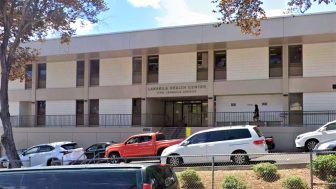
1700 Lanakila Avenue
Honolulu, HI 96817
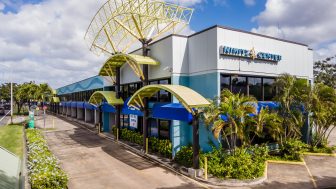
1130 North Nimitz Highway
Suite C-302
Honolulu, HI 96817
322 Sumner Street
Honolulu, HI 96817
2239 North School Street
Honolulu, HI 96819
