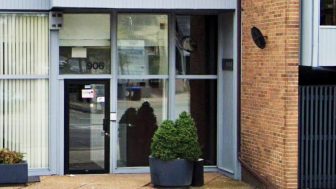
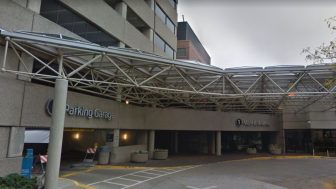
Yellowbrick Consultation and Treatment Center
1560 Sherman Ave
Suite 400
Evanston, IL 60201
 Sponsored
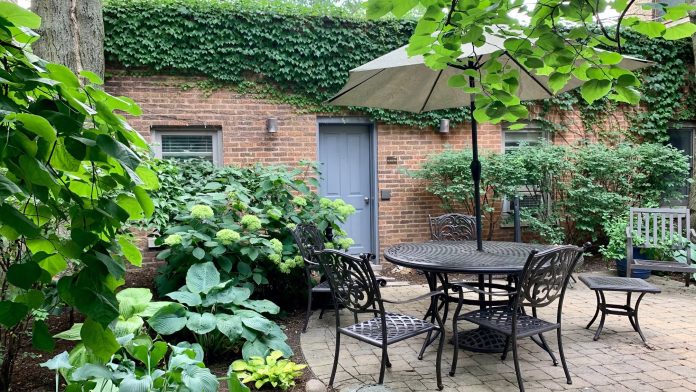
About Yellowbrick Consultation and Treatment Center
Yellowbrick Consultation and Treatment Center in Evanston, Illinois, offers specialized assessment and treatment for young adults from ages 16-30. Evanston is north of Chicago along the shores of Lake Michigan. I’m impressed that the area is surrounded by restaurants, parks and other opportunities for young adults. The Rotary Club and Raymond Park are right around the corner.
Psychiatric and Behavioral Health for Young Adults
The Minding the Brain program is a physician owned psychiatric and behavioral health program for those not quite middle aged. While they don’t offer a structured substance use disorder treatment program, they do address many of the mental health challenges associated with substance use. There are three outpatient tracks so that clients can concentrate on alternate rewards, trauma recovery, or relationship issues.
Their clinical philosophy and treatment model integrates psychoneurobiology, in depth psychotherapy and developmental psychology to focus on developing self regulation functions. The clinical expertise lies in individuals with several types of disorders, including personality disorders, depression, thought disorders, trauma and neurodivergent individuals.
Trauma Recovery and Cutting Edge Assessment Tools
The trauma recovery program is gender specific and uses the latest neurobiological understanding of traumatic attachment and trauma and the impact it has on your body and mind. The staff offers an onsite residential supported program and outpatient treatment under one umbrella. I’m glad that clients have access to cutting edge assessment tools, including pharmacogenetics to evaluate the potential a prescription medication will help you achieve your goals.
They’re not in network with any insurance companies and accept private pay only. However, they will provide an invoice that can be submitted to your insurance company and encourage you to contact your provider to determine if any of the costs will be covered before treatment begins.
Amenities
Art and music are mediums that connect with our feelings, making them a great recovery tool during addiction treatment. Studies show that combining art/music and drug rehab can have a greater therapeutic impact than drug rehab alone, as you’re able to access parts of your brain and body that you may not have access to during traditional talk therapy. Benefits of art/music therapy include lowering stress and anxiety, promoting healthy neurochemicals, and providing stress relief.
Yoga and meditation are great activities to support your recovery process during alcohol or drug rehab. These therapies have been around for centuries, and they are an effective way to improve well-being. Combining addiction treatment, yoga, and meditation can reduce cravings, improve sleep, relieve anxiety and depression, provide stress relief, promote relaxation, support emotional healing, and improve energy levels.
Recreational therapy uniquely combines therapeutic interventions with an activity, like horse-riding, hiking, wilderness therapy, basketball, tennis, or a full workout. Benefits of recreational therapy include providing a healthy way to work through the emotions of recovery, learning to build and maintain relationships, improving communication skills, and building self-esteem.
Treatment centers with a yoga studio offer a special form of holistic therapy during the recovery process. Yoga boosts mindfulness, a sense of calm, and healthy reflection during drug rehab via breathing exercises, stretching, and a progression of specific postures.
Private drug rehab provides a comfortable, secure environment that allows you to focus on doing the work to get your life back on track. Benefits include a higher staff-to-client ratio, increased one-on-one time with therapists and healthcare providers, private rooms for clients, and customized forms of therapy.
Residential drug rehab provides the comforts of home with the therapeutic support needed to successfully recover. Benefits of an inpatient program include increased safety, a higher success rate, and the time and distance given to focus on recovery. Residential drug rehabs are often the preferred method of treatment, as they can be tailored to meet specific needs, offer focused therapeutic care, and provide the necessary tools to sustain recovery.
In order to maintain a sense of autonomy, many private rehab facilities offer clients the ability to choose their own private rooms. The privacy and personal space ensure that the recovery process is as comfortable as possible.
Addiction Treatment Programs
Some of the most common services offered in a young adult program in Illinois include individual and group counseling, medication management, educational courses, and 12-step programs. These programs are tailored to address the challenges of this stage of life.
Individuals who are struggling with addiction to drugs or alcohol can get support at an adult program in Illinois. Designed for men and women over the age of 18, these programs offer rehabilitation treatment and recovery services.
Men’s rehab in Illinois typically includes individual, group, and family therapies. Group sessions are conducted with men only, which encourages greater vulnerability and sharing opportunities among participants.
Women who have substance use disorders are more likely than men to have co-occurring mental health disorders. Women’s rehab in Illinois often provides treatment for dual diagnosis, so women can get help for their addiction and disorders such as anxiety or depression.
Each alcohol rehab in Illinois is unique, but most include three basic aspects of treatment: medical detox, psychotherapy, and medication. Through these methods, participants receive treatment for the physical, mental, and emotional aspects of alcohol use disorder.
Drug rehab in Illinois is designed to help men and women recover from drug addiction. The length of the program and its intensity vary, based on the individual’s needs. It’s important to find the right program to suit your unique situation and challenges.
Elderly rehab in Illinois encompasses a full range of treatment options. Addiction treatment for seniors includes detox programs, outpatient treatment, residential programs, medication assisted treatment, case management, and dual diagnosis.
In Illinois, cognitive behavioral therapy is an effective method for addiction treatment. It teaches effective communication skills, provides tools to help people improve mood, and empowers participants to dismiss insecurities that can lead to substance abuse.
Levels of Care
Outpatient rehab in Illinois may be brief or long-term, depending on the individual. During this time, you will maintain membership in a support group as well as attend one-on-one counseling sessions. The focus is ongoing development of life skills that will prevent relapse.
Inpatient rehab in Illinois features intensive clinical supervision and a highly structured and supportive environment, meaning this level of care is especially well suited for clients just beginning their recovery journey and those at risk of relapse.
Sober living in Illinois offers an environment where you can focus on your recovery journey. You’ll live in a drug-free residence, where you’ll contribute to household bills and chores, attend 12-step meetings, and submit to random drug testing. This structured environment can be helpful to maintain sobriety during the first few months of recovery.
Aftercare rehab in Illinois lowers the chance of relapse. This program offers support to help you face challenges after you successfully complete rehab. By providing guidance, accountability, and assistance with basic life skills, aftercare gives you confidence to navigate temptations and maintain sobriety.
In many cases, drug rehab in Illinois begins with intervention. Professional intervention services are available to help you facilitate an intervention, develop a treatment plan, and choose the program that best suits your loved one’s needs.
An Illinois dual diagnosis program treats both your mental health and recovery needs. Psychiatrists and addiction specialists work together to address co-occurring disorders, such as depression, anxiety, or ADHD.
Partial hospitalization programs (PHPs) in Illinois are often a good fit for those who have work or family obligations that would otherwise exclude them from participating in an inpatient program. PHPs typically require an average treatment commitment of five to seven onsite visits a week, each ranging from four to eight hours in length.
Accreditations
Contact Information


 Sponsored