
Continuing Care Clinic New Haven
 Sponsored
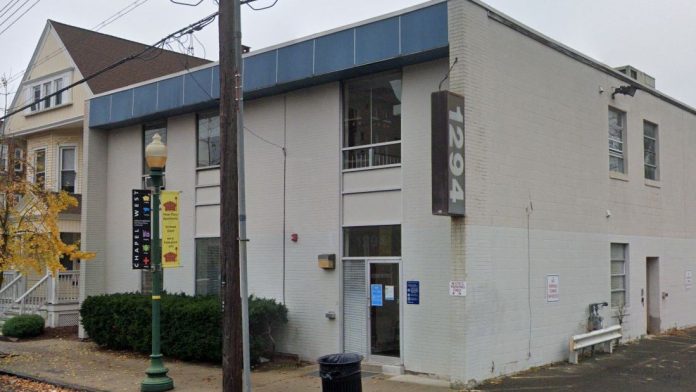
About Continuing Care Clinic New Haven
Continuing Care Clinic provides a behavioral health program affiliated with Yale New Haven Hospital that serves adults, young adults and seniors in New Haven, Connecticut.
The clinic provides care for co-occurring mental health and substance use disorders, with services that I noticed include family and couples therapy and medication management.
Its continuing care model is designed to offer steady, supportive treatment for people navigating complex psychiatric and addiction-related needs.
Dual-Diagnosis Outpatient Care
I appreciate that the clinic's core specialty is integrated dual-diagnosis treatment for adults living with both mental health conditions and substance use disorders.
As part of the Yale New Haven Hospital system, the program connects clients to a broader continuum of behavioral health resources and hospital-affiliated expertise.
Treatment may include cognitive behavioral therapy, trauma-focused care, family sessions and psychotropic medication management.
Sessions are structured to address underlying mental health drivers alongside substance use, helping clients build coping skills, stability and long-term recovery tools.
Continuing Care and Wraparound Support
Beyond therapy, I am impressed that the clinic incorporates supportive services such as case management, family psychoeducation, psychosocial rehabilitation and crisis intervention support.
This wraparound approach makes it an ideal option for individuals stepping down from higher levels of care or those needing sustained, longer-term outpatient support.
Addiction Treatment Programs
If you are looking for a young adult program in Connecticut, many options are available. Programs include inpatient, partial hospitalization programs (PHP), intensive outpatient programs (IOP), outpatient, aftercare, and dual diagnosis.
For those who have a substance use disorder, an adult program in Connecticut offers crucial support. Designed to treat individuals 18 and older, these rehab programs help adults learn how to live their lives free from dependence on substances.
Alcohol rehab in Connecticut is not a one-size-fits-all solution. That’s why a variety of programs and treatment methods are available to meet you where you are. Through personalized treatment, alcohol rehab is designed to help you achieve sobriety and maintain long-term recovery from alcohol use disorder.
Adults who attend men’s rehab in Connecticut have the opportunity to connect with other men who are struggling with similar addiction issues. This is important for recovery, as men are often more comfortable talking about their struggles with other men.
Women often find it easier to work through their addiction issues in women’s rehab in Connecticut. Surrounded by other women who understand their struggles, they can feel free to share openly and find support.
When you attend opioid rehab in Connecticut, you’re provided with the tools that are necessary to break free from opioid addiction. Treatment offers accountability, structure, and a sense of community. Methods typically include medication assisted treatment, individual therapy, and group counseling.
In Connecticut, cognitive behavioral therapy helps individuals identify impulsive thoughts and feelings of fear and self-doubt. It equips them to manage these negative thoughts and feelings without the use of substances.
For seniors who have long-term addiction struggles and for those who have developed a substance use disorder later in life, elderly rehab in Connecticut is available. Treatment focuses on the unique needs of this stage of life.
Women often find it easier to work through their addiction issues in women’s rehab in Connecticut. Surrounded by other women who understand their struggles, they can feel free to share openly and find support.
Levels of Care
Many individuals turn to outpatient rehab in Connecticut after they complete an inpatient program. This treatment is less intensive and usually involves attending several counseling sessions per week and attending a support group such as NA or AA. Outpatient rehab may be short or long-term, depending on the needs of the individual.
When you have a co-occurring disorder, you have both a substance abuse disorder and a mental health disorder. Dual diagnosis in Connecticut specializes in treating both conditions simultaneously, which is crucial for successful recovery.
Once you’ve completed rehab treatment, you must learn how to manage stress and life challenges without relapsing. Aftercare rehab in Connecticut is designed to provide the support you need for this process. It may include financial, educational, career, social, and mental support. Many people remain in this care for a year after initial recovery.
Accreditations
Staff


Patti Croft is a full-time writer who writes about accessing effective addiction treatment during the day but is also pursuing her dream of penning a novel in her spare time. She enjoys copious amounts of coffee as creative fuel and sharing an office with her adorable cat, Beau. Her background is in healthcare management, and she is a passionate advocate for mental health and addiction care.
Rehabs.org regularly reviews this listing for accuracy but changes may occur between updates. For the most up-to-date information, please contact Continuing Care Clinic New Haven.
Nearby Treatment Centers

1450 Chapel Street
New Haven, CT 06511

48 Howe Street
New Haven, CT 06511

48 Howe Street, New Haven, CT 06511

425 George Street
New Haven, CT 06511
