Women’s View-psychological Center
582 Haverhill St
584
Lawrence, MA 01841
 Sponsored
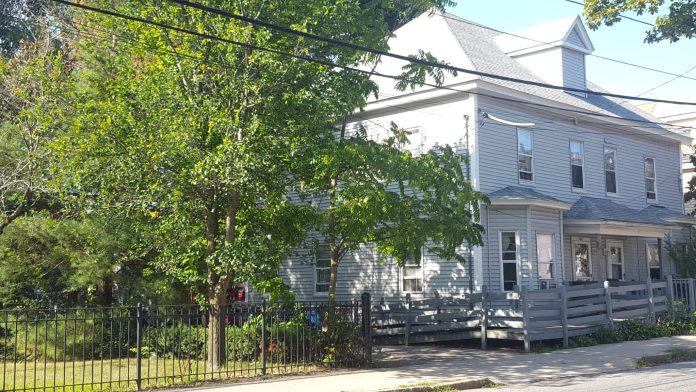
About Women’s View-psychological Center
Women’s View, located in Lawrence, Massachusetts is a 501(C)(3) nonprofit that provides services to adult women experiencing substance use disorders, mental health issues, and homelessness.
They are located near the Merrimack River, which offers opportunities for reflection and outdoor activities like picnicking. Lawrence Heritage State Park provides beautiful green space and walking trails. For more stimulation, you can visit the Essex Art Center and their creative outlets and community engagement opportunities.
You can pay for services using cash or self-payment options. The clinic is funded through government programs that can work to potentially reduce the cost of your care. They also offer payment assistance. You’re encouraged to contact their office for specific details.
Residential Treatment for Women Over 25 in Lawrence, MA
The residential treatment program of Women’s View offers a structured, long-term program focused on helping you heal from substance dependency. Their transitional housing and halfway housing services can support you in your goals towards independent living.
Their recreational therapy includes fun activities like hiking and other forms of physical exercise to support your recovery from a holistic angle. We like that they also provide aftercare and relapse prevention programs to help you maintain your recovery and stay connected to support well after you’ve concluded the program.
Skill Building and Program Structure
The program emphasizes teaching you life skills which we feel is an important part of recovery. This includes anger management to help you learn coping strategies for managing intense emotions.
Their food preparation workshops are a great way to enhance a healthy diet through cooking and meal planning. You’ll also be invited to work or volunteer in the community. These programs are set up in a four-tier system to allow you to progress through each level while addressing potential issues proactively.
Amenities
Private drug rehab provides a comfortable, secure environment that allows you to focus on doing the work to get your life back on track. Benefits include a higher staff-to-client ratio, increased one-on-one time with therapists and healthcare providers, private rooms for clients, and customized forms of therapy.
Recreational therapy uniquely combines therapeutic interventions with an activity, like horse-riding, hiking, wilderness therapy, basketball, tennis, or a full workout. Benefits of recreational therapy include providing a healthy way to work through the emotions of recovery, learning to build and maintain relationships, improving communication skills, and building self-esteem.
Residential drug rehab provides the comforts of home with the therapeutic support needed to successfully recover. Benefits of an inpatient program include increased safety, a higher success rate, and the time and distance given to focus on recovery. Residential drug rehabs are often the preferred method of treatment, as they can be tailored to meet specific needs, offer focused therapeutic care, and provide the necessary tools to sustain recovery.
Addiction Treatment Programs
Teen and young adult substance abuse can set individuals on a life-long path of destruction. A young adult program in Massachusetts can intervene in young adults’ lives to set them on a better path during this crucial stage of life.
Each adult program in Massachusetts is designed to help individuals over the age of 18 recover from addiction to drugs or alcohol. The length of the program and its intensity varies, based on the needs of the individual.
Most alcohol rehab in Massachusetts consists of individual counseling and group therapy sessions, which address mental and emotional concerns that are contributing to alcohol use. Treatment helps participants make changes to maintain sobriety and prevent relapse.
For men who want to stop drinking or using drugs, men’s rehab in Massachusetts offers help and hope. These treatment programs, designed specifically for men, help participants recover and rebuild their lives.
Women who are seeking treatment for substance use disorders can receive various levels of care at women’s rehab in Massachusetts. Programs include detox, partial hospitalization programs (PHP), intensive outpatient programs (IOP), telehealth programs, sober living, outpatient, and aftercare.
When you enter opioid rehab in Massachusetts, you’ll receive treatment in a supportive environment that encourages recovery. After successful withdrawal management, you’ll participate in a variety of evidence-based therapies that prepare you for long-term sobriety.
Elderly rehab in Massachusetts addresses both addiction issues and common challenges faced by older adults. By dealing with grief, loss, social isolation, and financial uncertainty, participants are given tools to overcome addiction later in life.
LGBTQ-friendly rehab in Massachusetts offers programs targeted to the unique experiences within this diverse community. Staff specialists understand that an environment promoting acceptance makes it easier for people to open up and focus on healing.
Levels of Care
As the most intensive treatment setting, inpatient drug rehab in Massachusetts treatment involves 24/7 supervised care. At this level of care, you typically participate in individual, group, and family therapy sessions, and you may receive medication and additional recreational therapies.
Aftercare rehab in Massachusetts gives you continued access to support after rehab. You may need assistance with job coaching, budgeting, education, or accountability as you re-enter your life. Aftercare programs provide these supports, so you can face challenges and maintain a sober lifestyle long-term.
If you meet the diagnostic criteria for two or more conditions, you have a dual diagnosis. Massachusetts dual diagnosis treatment is designed to address both conditions simultaneously, for improved recovery outcomes.
In Massachusetts sober living, you will take on more responsibility than rehab treatment requires. You’ll pay rent and work or attend school. You’ll also contribute to household chores. The goal is to learn how to live independently, free from drugs and alcohol.
Accreditations
Contact Information


 Sponsored