
Wm. Jennings Bryan Dorn VA Medical Center
 Sponsored
About Wm. Jennings Bryan Dorn VA Medical Center
Wm Jennings Bryan Dorn VA Medical Center is a Veterans Affairs hospital in Columbia, South Carolina.
Their holistic services stand out to me. They support veterans facing challenges from severe addiction, offering counseling, MAT and dual diagnosis care.
I appreciate their mission to meet veterans where they are, addressing addiction and the life challenges that accompany it.
Veteran Focused Addiction Treatment
Addiction care at Dorn VA is built specifically around the needs of veterans, with services ranging from detox to aftercare.
The addiction program benefits from integrated access to medical, mental health and rehabilitation specialists.
Treatment may include cognitive behavioral therapy, 12 step programming, group counseling and medication.
The residential setting provides 24 hour therapeutic and educational programming, helping veterans build recovery skills.
Whole Person Support
The residential program is designed for veterans navigating substance use alongside homelessness, mental health conditions, and unemployment.
By combining addiction care with vocational, housing and mental health resources, the program supports lasting stability.
Access and Getting Started
Dorn VA Medical Center is located on Garners Ferry Road in Columbia, with in person care and virtual visit options.
The facility accepts VA health benefits, TRICARE, Medicare, Medicaid and self pay.
Amenities
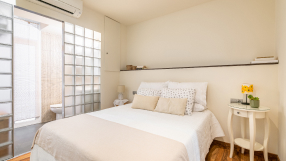
Private Rooms
In order to maintain a sense of autonomy, many private rehab facilities offer clients the ability to choose th...eir own private rooms. The privacy and personal space ensure that the recovery process is as comfortable as possible.
Residential Setting
Residential drug rehab provides the comforts of home with the therapeutic support needed to successfully recov...er. Benefits of an inpatient program include increased safety, a higher success rate, and the time and distance given to focus on recovery. Residential drug rehabs are often the preferred method of treatment, as they can be tailored to meet specific needs, offer focused therapeutic care, and provide the necessary tools to sustain recovery.Addiction Treatment Programs
Adult Program
The goal of an adult program in South Carolina is to help individuals who have substance use disorders achieve the highest level of independence and best quality of life attainable. This is accomplished through a variety of counseling and therapy methods tailored to the individual.Alcoholism
Alcohol rehab in South Carolina includes outpatient and inpatient programs. Inpatient requires participants to live at the facility, while outpatient programs provide daily support while the individual lives at home. The goal of both is to address addiction issues and help participants achieve long-term sobriety.Opioid Treatment
Opioid rehab in South Carolina offers hope for those struggling with opioid use disorder. Professional treatment can reduce withdrawal symptoms and address the mental and physical issues of addiction so you can begin to heal.Cognitive Behavioral Therapy (CBT)
Therapists often use cognitive behavioral therapy in South Carolina to help individuals learn how to deal with challenging situations without the use of substances. This treatment often includes role-playing techniques.Drug Rehab
Get the tools you need to fight back against addiction at drug rehab in South Carolina. Rehab treatment helps you overcome drug dependency, manage cravings, and prevent relapse. This is accomplished through individualized treatment that addresses a full spectrum of physical, social, and emotional needs.LGBTQ Friendly Rehab
Women’s rehab in South Carolina focuses on physical, emotional, and spiritual support for women who are struggling with addiction. Often, women feel more relaxed and recover more quickly in these gender-specific settings.Rehab For Veterans
Veterans often experience stress from deployment, combat exposure, and reintegration into civilian life. Veteran’s rehab in South Carolina addresses these challenges to provide effective addiction treatment for active and retired military personnel.12-Step Program
12-Step Programs are among the most popular and proven addiction recovery programs in the world. They are predicated on a lifelong recovery model that prioritizes whole-person healing and integrates the physical, psychological, emotional, social, and spiritual aspects of recovery. Programs are free, anonymous, open to the public, and community-based and are centered on group support, one-on-one peer coaching, and recovery education.Levels of Care
Inpatient Rehab
Inpatient drug rehab in South Carolina can last anywhere from a few weeks to more than 90 days, depending on t...he program. During that time, you will live at the rehab facility and receive treatment such as counseling, medication, and forms of holistic therapy.Detox & MAT
Your first phase of drug rehab in South Carolina is detox. You’ll receive 24/7 supervised care while your bo...dy is cleansed of all toxins. Once this process is complete, you are able to move on to the next steps of recovery.Outpatient Rehab
South Carolina outpatient rehab often helps people transition back to their lives from inpatient rehab. This l...ess restrictive program involves attending regular counseling sessions and support group meetings. The length of outpatient rehab varies from short-term to long-term, based on each person’s recovery journey.Dual Diagnosis & Mental Health
Treating a substance abuse disorder without treating a co-occurring mental health disorder is not effective. I...f you have co-occurring disorders, you need dual diagnosis treatment in South Carolina to properly address all your recovery needs.Intensive Outpatient Program (IOP)
Aftercare & Alumni Program
Aftercare rehab in South Carolina gives you the guidance and support you need once you complete rehab. As you ...face temptations and life challenges, it provides resources to overcome hurdles and maintain sobriety. Common services include life coaching, counseling, and support groups. This aftercare often continues for a year or more after initial treatment.Accreditations

CARF

Joint Commission
Insurance
 Financial Aid
If you need help with paying for alcohol and drug rehab in South Carolina, financial aid may be a good solutio...n. Financial assistance options include grants, scholarships, non-profit programs, personal funding, and health insurance programs to help you manage the expense of substance abuse treatment.
 Medicaid Accepted
Medicaid (South Carolina Healthy Connections Medicaid): If you’re eligible under Healthy Connections Medicai...d, you may be able to get coverage to assist with the cost of alcohol and drug rehab in South Carolina. The amount covered may be limited and depend on various factors.
 Medicare Accepted
If you are eligible for Medicare, you may get coverage for alcohol and drug rehab in South Carolina, including... detox, inpatient rehab, and more. The amount of coverage will depend on many things, including whether you are seeking inpatient or outpatient treatment for substance abuse.
 TRICARE
Administered by the Department of Defense, TRICARE offers comprehensive military health insurance plans for ac...tive and retired military members and their families. Similar to PPO programs offered by private insurance companies, TRICARE covers multiple levels of care for addiction treatment, including detox, inpatient rehab, and outpatient services.
 Self-Pay Options
You have the option to pay for your alcohol and drug rehab in South Carolina out-of-pocket, known as self-pay ...or private pay. Private pay gives you access to all levels of care — including detox and inpatient rehab — that you may not otherwise have access to through a private insurer or state-run program.Contact Wm. Jennings Bryan Dorn VA Medical Center


 Sponsored
Amy Greene’s first novel Bloodroot was a New York Times and National Bestseller and a New York Times Editor’s Choice pick. Her second novel Long Man was a Washington Post Top Book of the Year. She lives in the Smoky Mountains of East Tennessee with her husband and two children.
Rehabs.org regularly reviews this listing for accuracy but changes may occur between updates. For the most up-to-date information, please contact Wm. Jennings Bryan Dorn VA Medical Center.
Nearby Treatment Centers

2712 Middleburg Dr
Columbia, SC 29204
720 Gracern Road
Suite 120
Columbia, SC 29210
1800 Colonial Drive
Columbia, SC 29203
610 Faison Drive
Columbia, SC 29203
