CHA Everett Hospital
103 Garland Street
Everett, MA 02149
 Sponsored
About CHA Everett Hospital
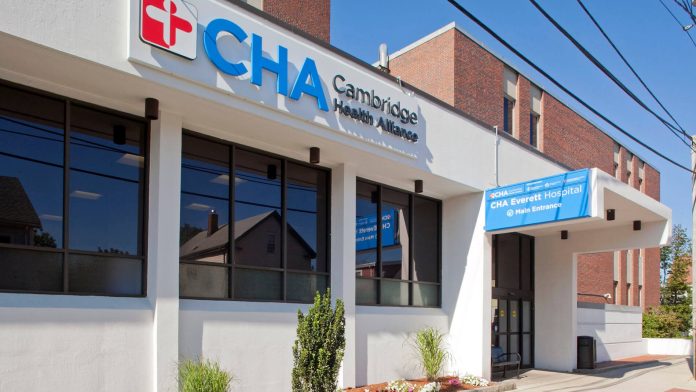
CHA Everett Hospital is a community health facility in Everett, Massachusetts offering licensed outpatient addiction treatment for adults through Cambridge Health Alliance. It specializes in treating substance use disorders in individuals aged 18 and older, with integrated care for co-occurring psychiatric conditions.
This hospital is in a residential neighborhood of Everett. They're just blocks away from the John Gramstorf Playground, and also near Washington Park and Glendale Park.
Advanced Psychiatric Care Alongside Addiction Care
At its core, CHA Everett offers an Outpatient Addictions Service staffed by psychiatrists, psychiatric nurse practitioners, psychologists, licensed clinical social workers, and recovery coaches. Both telehealth and in person sessions are available, allowing flexibility for patients across the Boston metro north region. The program is designed for adults struggling with substance use disorders, including those who also face mental health challenges.
Treatment begins with comprehensive assessments using validated tools, followed by personalized care plans that may include medication management, behavioral therapy, mood and behavior education, and self-management support. Sessions often involve collaboration among behavioral health specialists and recovery coaches to address both substance use and underlying psychiatric symptoms, helping patients build strength and resilience in real-world settings.
Recovery Coaches with Lived Experience
CHA Everett stands out to me by embedding recovery coaches, individuals with lived experience of addiction, throughout the hospital environment, including in the Emergency Department, medical surgical units, and inpatient psychiatry. These coaches offer guidance, encouragement, and support during critical moments, helping patients connect with treatment resources and build trust with their clinical team. I like that their involvement helps reduce isolation and stigma by fostering empathy and shared understanding.
Telehealth Treatment Available
Services are offered in person at 103 Garland Street in Everett, Massachusetts, as well as through telehealth for outpatient addiction treatment, making care more accessible for those across nearby towns. The care team includes licensed addiction professionals and recovery coaches who work together to offer holistic, patient centered support.
Amenities
Treatment centers with a yoga studio offer a special form of holistic therapy during the recovery process. Yoga boosts mindfulness, a sense of calm, and healthy reflection during drug rehab via breathing exercises, stretching, and a progression of specific postures.
Private drug rehab provides a comfortable, secure environment that allows you to focus on doing the work to get your life back on track. Benefits include a higher staff-to-client ratio, increased one-on-one time with therapists and healthcare providers, private rooms for clients, and customized forms of therapy.
Residential drug rehab provides the comforts of home with the therapeutic support needed to successfully recover. Benefits of an inpatient program include increased safety, a higher success rate, and the time and distance given to focus on recovery. Residential drug rehabs are often the preferred method of treatment, as they can be tailored to meet specific needs, offer focused therapeutic care, and provide the necessary tools to sustain recovery.
In order to maintain a sense of autonomy, many private rehab facilities offer clients the ability to choose their own private rooms. The privacy and personal space ensure that the recovery process is as comfortable as possible.
Addiction Treatment Programs
Most alcohol rehab in Massachusetts consists of individual counseling and group therapy sessions, which address mental and emotional concerns that are contributing to alcohol use. Treatment helps participants make changes to maintain sobriety and prevent relapse.
Addiction is a highly complex problem, and drug rehab in Massachusetts is often necessary to address it. These programs treat physical, mental, and relational issues that are involved. Treatment empowers individuals to manage these issues without the use of drugs.
Elderly rehab in Massachusetts addresses both addiction issues and common challenges faced by older adults. By dealing with grief, loss, social isolation, and financial uncertainty, participants are given tools to overcome addiction later in life.
Cognitive behavioral therapy in Massachusetts is a hands-on method that engages participants in changing their thought and behavior patterns. Rather than a talk-listen approach, individuals are actively involved in working with their therapist to treat their addiction.
Teen and young adult substance abuse can set individuals on a life-long path of destruction. A young adult program in Massachusetts can intervene in young adults’ lives to set them on a better path during this crucial stage of life.
Each adult program in Massachusetts is designed to help individuals over the age of 18 recover from addiction to drugs or alcohol. The length of the program and its intensity varies, based on the needs of the individual.
LGBTQ-friendly rehab in Massachusetts offers programs targeted to the unique experiences within this diverse community. Staff specialists understand that an environment promoting acceptance makes it easier for people to open up and focus on healing.
For men who want to stop drinking or using drugs, men’s rehab in Massachusetts offers help and hope. These treatment programs, designed specifically for men, help participants recover and rebuild their lives.
Women who are seeking treatment for substance use disorders can receive various levels of care at women’s rehab in Massachusetts. Programs include detox, partial hospitalization programs (PHP), intensive outpatient programs (IOP), telehealth programs, sober living, outpatient, and aftercare.
Levels of Care
As the most intensive treatment setting, inpatient drug rehab in Massachusetts treatment involves 24/7 supervised care. At this level of care, you typically participate in individual, group, and family therapy sessions, and you may receive medication and additional recreational therapies.
If you meet the diagnostic criteria for two or more conditions, you have a dual diagnosis. Massachusetts dual diagnosis treatment is designed to address both conditions simultaneously, for improved recovery outcomes.
Accreditations
Contact Information


 Sponsored