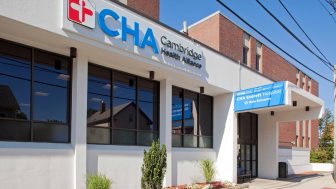
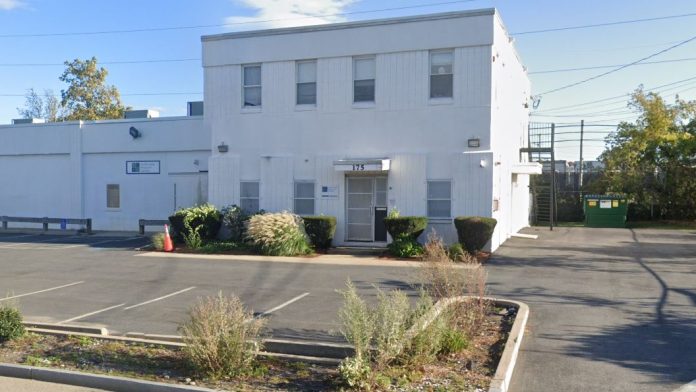
Health Care Resource Centers Chelsea
 Sponsored
About Health Care Resource Centers Chelsea
Health Care Resource Centers Chelsea is an opioid addiction treatment center in Chelsea, Massachusetts, providing outpatient medication assisted treatment (MAT) and counseling for adults facing opioid use disorder.
Located on Crescent Avenue, this clinic offers methadone treatment, outpatient detox and comprehensive counseling in a compassionate, judgment-free setting.
As part of a New England network with over 35 years of experience, the program, I've found, focuses on individualized recovery planning for lasting change.
Opioid Treatment Programs with MAT
After a clinical assessment, clients receive medication assisted treatment centered on methadone, alongside regular outpatient treatment and outpatient detox for opioid addiction involving prescription pain medications, heroin and fentanyl.
Clients can expect individual, group and family counseling, plus relapse prevention education and case management for housing, benefits and community resources.
Evidence based approaches include cognitive behavioral therapy, motivational interviewing and contingency management, with coordinated pregnancy treatment and telehealth options available (I've found).
Quick Facts About HCRC Chelsea
- Location: Chelsea, Massachusetts, less than three miles from Boston with MBTA and bus access
- Levels of care: Outpatient treatment, outpatient detox and methadone based MAT
- Who they treat: Adult men, adult women, pregnant and postpartum women and young adults with opioid use disorder
- Approach: CBT, motivational interviewing, contingency management and relapse prevention
- Payment options: Medicaid, Medicare, most insurances, TRICARE, grant funding and self-pay
- Convenience: Same-day and weekend admissions, 24/7 phone support and ample parking
Starting treatment at Health Care Resource Centers Chelsea in Chelsea, Massachusetts begins with a phone call and a comprehensive assessment to determine the right level of care.
The admissions team can explain program options, verify insurance benefits and coordinate same-day or weekend admissions.
Amenities
Residential drug rehab provides the comforts of home with the therapeutic support needed to successfully recover. Benefits of an inpatient program include increased safety, a higher success rate, and the time and distance given to focus on recovery. Residential drug rehabs are often the preferred method of treatment, as they can be tailored to meet specific needs, offer focused therapeutic care, and provide the necessary tools to sustain recovery.
Private drug rehab provides a comfortable, secure environment that allows you to focus on doing the work to get your life back on track. Benefits include a higher staff-to-client ratio, increased one-on-one time with therapists and healthcare providers, private rooms for clients, and customized forms of therapy.
Addiction Treatment Programs
Addiction is a highly complex problem, and drug rehab in Massachusetts is often necessary to address it. These programs treat physical, mental, and relational issues that are involved. Treatment empowers individuals to manage these issues without the use of drugs.
When you enter opioid rehab in Massachusetts, you’ll receive treatment in a supportive environment that encourages recovery. After successful withdrawal management, you’ll participate in a variety of evidence-based therapies that prepare you for long-term sobriety.
For men who want to stop drinking or using drugs, men’s rehab in Massachusetts offers help and hope. These treatment programs, designed specifically for men, help participants recover and rebuild their lives.
Women who are seeking treatment for substance use disorders can receive various levels of care at women’s rehab in Massachusetts. Programs include detox, partial hospitalization programs (PHP), intensive outpatient programs (IOP), telehealth programs, sober living, outpatient, and aftercare.
Each adult program in Massachusetts is designed to help individuals over the age of 18 recover from addiction to drugs or alcohol. The length of the program and its intensity varies, based on the needs of the individual.
Cognitive behavioral therapy in Massachusetts is a hands-on method that engages participants in changing their thought and behavior patterns. Rather than a talk-listen approach, individuals are actively involved in working with their therapist to treat their addiction.
LGBTQ-friendly rehab in Massachusetts offers programs targeted to the unique experiences within this diverse community. Staff specialists understand that an environment promoting acceptance makes it easier for people to open up and focus on healing.
Teen and young adult substance abuse can set individuals on a life-long path of destruction. A young adult program in Massachusetts can intervene in young adults’ lives to set them on a better path during this crucial stage of life.
Most alcohol rehab in Massachusetts consists of individual counseling and group therapy sessions, which address mental and emotional concerns that are contributing to alcohol use. Treatment helps participants make changes to maintain sobriety and prevent relapse.
Levels of Care
Massachusetts outpatient rehab does not have a defined timeline. The program is tailored to meet your recovery needs, and may last 90 days or a year or more. During this time, you will attend therapy sessions and support group meetings, for ongoing accountability and development of sober-living skills.
The first step to a drug-free future is detox. This involves slowly and safely ridding your body of all addictive substances, under 24/7 supervision. This is typically the initial phase of drug rehab in Massachusetts.
Aftercare rehab in Massachusetts gives you continued access to support after rehab. You may need assistance with job coaching, budgeting, education, or accountability as you re-enter your life. Aftercare programs provide these supports, so you can face challenges and maintain a sober lifestyle long-term.
You don’t have to be an expert on interventions to help an addicted loved one. Staff members offer intervention services in Massachusetts, providing support when planning and facilitating an intervention, connecting you with community resources, and helping with the development of your loved one's treatment plan.
Accreditations
Contact Information


 Sponsored
Maygen Brockway, MTC, has more than 10 years of editing and writing experience. She’s written for the medical, wedding, fashion, and technical industries. She’s a poetry lover, coffee and whiskey drinker, social butterfly, and mom who lives in scenic Southern Utah. She has a Master’s in Technical Communication and loves writing.
Rehabs.org regularly reviews this listing for accuracy but changes may occur between updates. For the most up-to-date information, please contact Health Care Resource Centers Chelsea.