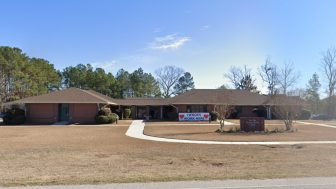
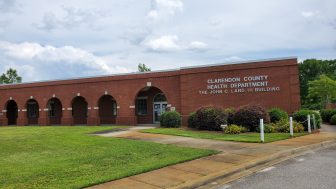
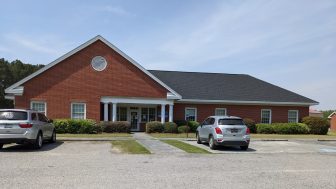
Waccamaw Center Mental Health
501 Nelson Boulevard
Kingstree, SC 29556
 Sponsored
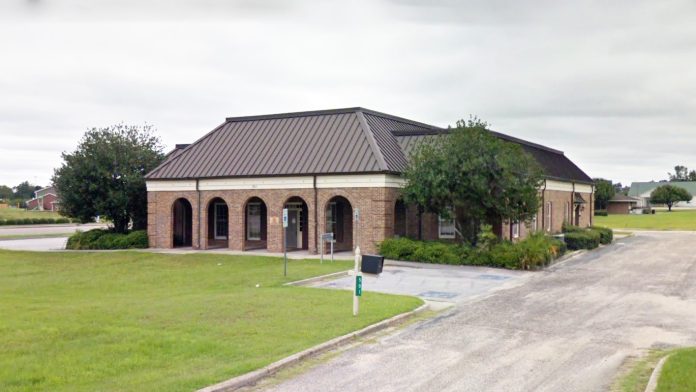
About Waccamaw Center Mental Health
Waccamaw Center for Mental Health in Kingstree, South Carolina is a CARF-accredited outpatient facility providing comprehensive mental health and addiction services across Horry, Georgetown, and Williamsburg counties.
They offer a full continuum of care including therapy, medication management and intensive outpatient programs (IOPs) for children, adolescents, adults, and seniors. Guided by a “Mental Health Center Without Walls” philosophy, they build wellness by meeting clients within their communities. This is an essential mission in rural areas where access to integrated care is vital.
Dual Diagnosis and Co-Occurring Disorder Care
Waccamaw Center specializes in integrated treatment for individuals facing both mental health and substance use disorders, a core specialty known as dual diagnosis care. Their experienced team of licensed therapists and psychiatrists is trained to address the complex interplay between conditions like depression, anxiety, PTSD and addiction.
Treatment utilizes evidence based therapies in individual, group, and family sessions. This integrated approach ensures both the addiction and the underlying mental health triggers are treated simultaneously, creating a more stable foundation for lasting recovery.
Housing Support and Life Skills Development
Beyond clinical care, Waccamaw also provides robust psychosocial rehabilitation programs focused on building independent living skills. This includes supported employment, peer support and a standout housing program offering apartments and outreach for homeless or unstably housed individuals.
Your Path to Community Wellness
Waccamaw Center serves clients through in-person clinics in Kingstree and surrounding counties, with telehealth options also available for added accessibility. As a part of South Carolina’s Department of Mental Health, they are a trusted, accredited provider with a deep community history.
They accept Medicare, Medicaid, most private insurance, and offer a sliding fee scale, ensuring no one is turned away due to inability to pay.
Addiction Treatment Programs
A young adult program in South Carolina focuses only on young adults and their developmental needs as they face addiction issues. Treatment addresses the unique challenges of this stage of life and helps young adults work through recovery.
The goal of an adult program in South Carolina is to help individuals who have substance use disorders achieve the highest level of independence and best quality of life attainable. This is accomplished through a variety of counseling and therapy methods tailored to the individual.
Alcohol rehab in South Carolina includes outpatient and inpatient programs. Inpatient requires participants to live at the facility, while outpatient programs provide daily support while the individual lives at home. The goal of both is to address addiction issues and help participants achieve long-term sobriety.
Men’s rehab in South Carolina can provide an environment where men feel safe from judgment and are comfortable sharing about their struggles. This can be key to successful recovery.
Women’s rehab in South Carolina focuses on physical, emotional, and spiritual support for women who are struggling with addiction. Often, women feel more relaxed and recover more quickly in these gender-specific settings.
Therapists often use cognitive behavioral therapy in South Carolina to help individuals learn how to deal with challenging situations without the use of substances. This treatment often includes role-playing techniques.
Get the tools you need to fight back against addiction at drug rehab in South Carolina. Rehab treatment helps you overcome drug dependency, manage cravings, and prevent relapse. This is accomplished through individualized treatment that addresses a full spectrum of physical, social, and emotional needs.
Elderly rehab in South Carolina provides a safe haven for older adults who want to recover from alcohol or drug addiction. Highly trained staff are familiar with the challenges of addiction among the elderly and customize treatment to meet these needs.
Women’s rehab in South Carolina focuses on physical, emotional, and spiritual support for women who are struggling with addiction. Often, women feel more relaxed and recover more quickly in these gender-specific settings.
Veterans often experience stress from deployment, combat exposure, and reintegration into civilian life. Veteran’s rehab in South Carolina addresses these challenges to provide effective addiction treatment for active and retired military personnel.
Assertive Community Treatment (ACT) is an integrative, community-based care strategy designed to address the needs of persons with severe and/or complex mental illness or behavioral disorders. ACT is typically provided by a multidisciplinary team of medical and mental health care providers, social workers, therapists, and other specialists, including addiction recovery professionals. These services are frequently provided in the home and community to clients in crisis, those who are clinically unstable, and those who are unable or unwilling to travel to a hospital or clinic for in-person treatment.
Levels of Care
South Carolina outpatient rehab often helps people transition back to their lives from inpatient rehab. This less restrictive program involves attending regular counseling sessions and support group meetings. The length of outpatient rehab varies from short-term to long-term, based on each person’s recovery journey.
Treating a substance abuse disorder without treating a co-occurring mental health disorder is not effective. If you have co-occurring disorders, you need dual diagnosis treatment in South Carolina to properly address all your recovery needs.
Inpatient drug rehab in South Carolina can last anywhere from a few weeks to more than 90 days, depending on the program. During that time, you will live at the rehab facility and receive treatment such as counseling, medication, and forms of holistic therapy.
South Carolina sober living provides a safe and supportive living environment to help you maintain a sober lifestyle. These homes often serve as a transition between rehab treatment and independent living. A typical stay lasts between five and eight months, but can be for as long as you need it.
The ultimate goal of intervention services in South Carolina is to motivate your loved one to get the treatment they need. This is accomplished through professional intervention facilitation and the development of an effective treatment plan that meets your loved one’s needs.
Accepted Insurance



Contact Information


 Sponsored