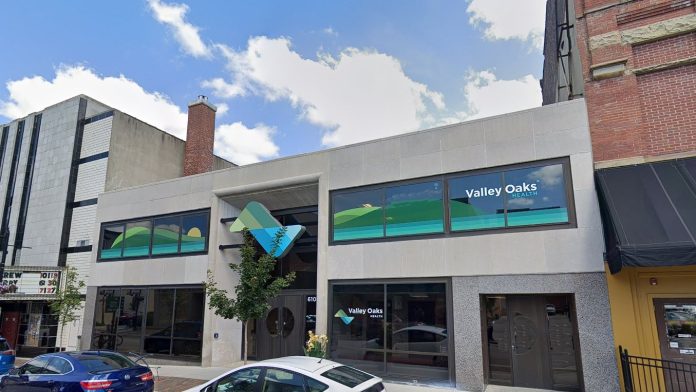
Valley Oaks Health
415 N 26th St
Lafayette, IN 47904
 Sponsored
About Valley Oaks Health
Valley Oaks Health Alliance offers holistic healthcare services that include primary medical, addiction recovery, and mental healthcare treatment. They have facilities in nine Indiana counties. One of the facilities is on West Executive Court in semi-rural Monticello in White County. This facility offers services for substance use and co-occurring mental health disorder treatment.
They accept private health insurance, Medicaid, military insurance such as TRICARE, and other state financed plans that aren’t Medicaid.
The substance use treatment program includes a comprehensive approach. You’ll have a case manager (skills trainer) to help you connect to the right resources and treatments. The goal is to help you learn new coping, problem solving, and life skills. The skills trainer also educates friends and family about substance use and mental health to facilitate a more informed and healthy support group.
You’ll participate in outpatient individual and group therapy focused on addiction treatment. Therapy can help you get to the bottom of your addiction so you can understand and manage the triggers that drive your substance use. There’s a relapse prevention therapy group that helps you with long term planning to maintain sobriety. If you need medication assisted treatment (MAT) for opioid or alcohol withdrawal, that’s also available.
This location also offers some unique services such as school based therapy for children with mental health concerns. The program reduces absenteeism while enhancing kids’ social and leadership skills, self awareness, and community connectedness.
They have the evidence based Wraparound program in which professionals, friends, and family meet to develop a plan for a child’s treatment. The program helps young people with serious mental health challenges to decrease high risk behavior for better long term outcomes. To qualify for the program, a child must have two mental health diagnoses, excluding substance use or ADHD as the primary diagnoses. They must demonstrate maladaptive behaviors and needs in several areas such as trauma or anxiety.
There are several other services at this location such as entitlement services, crisis stabilization, and intervention. They have the Greenleaf program for those unable to handle government payments such as Supplemental Security Income or Social Security.
Amenities
Private drug rehab provides a comfortable, secure environment that allows you to focus on doing the work to get your life back on track. Benefits include a higher staff-to-client ratio, increased one-on-one time with therapists and healthcare providers, private rooms for clients, and customized forms of therapy.
Residential drug rehab provides the comforts of home with the therapeutic support needed to successfully recover. Benefits of an inpatient program include increased safety, a higher success rate, and the time and distance given to focus on recovery. Residential drug rehabs are often the preferred method of treatment, as they can be tailored to meet specific needs, offer focused therapeutic care, and provide the necessary tools to sustain recovery.
In order to maintain a sense of autonomy, many private rehab facilities offer clients the ability to choose their own private rooms. The privacy and personal space ensure that the recovery process is as comfortable as possible.
Business centers are a preferred amenity in many mental health and addiction recovery facilities and typically feature secure, high-speed internet, computer stations, printers, and related business technologies. Business centers are designed to enable professionals and students to continue to participate in work or school activities without leaving the treatment facility.
Addiction Treatment Programs
Each young adult program in Indiana covers a wide range of addictions. Programs offer evidence-based therapies to treat alcohol, heroin, opioid, cocaine, benzodiazepine, and marijuana addictions, among others.
An adult program in Indiana offers recovery services to those who have become addicted to drugs or alcohol. Treatment may include inpatient or outpatient services, medication, and a variety of therapy methods.
If you choose an alcohol rehab in Indiana, you’ll progress through four stages of recovery. Rehab begins with treatment initiation, then moves to early abstinence, then maintaining abstinence, and finally advanced recovery. The outcome is a new, healthy sober lifestyle.
Men’s rehab in Indiana allows for greater participant engagement by offering same-gender treatment sessions. Often, men feel more comfortable in these settings, so they are more willing to share and receive support.
Women’s rehab in Indiana can be very beneficial for participants. These programs offers services that are designed specifically for women, which can help participants overcome the unique challenges they face.
During opioid rehab in Indiana, addiction specialists help individuals stop abusing prescription drugs or other opioids. Comprehensive treatment includes inpatient rehab, behavioral therapy methods, and alternative therapies. Many rehabs in Indiana include detox and medication assisted treatment.
For long-term recovery from drug addiction, drug rehab in Indiana is often key. This treatment gives individuals who are struggling with a substance use disorder the tools to manage their disorder and achieve long-term sobriety.
Levels of Care
Indiana outpatient rehab focuses on providing tools necessary to stay sober. This involves several weekly counseling sessions and involvement in at least one support group, such as NA or AA, for several weeks or months. During that time, you’ll learn how to replace unhealthy habits with healthy ones and prevent relapse.
Dual diagnosis in Indiana treats co-occurring disorders, meaning it addresses both your mental health and recovery needs. A multidisciplinary team of psychiatrists and addiction experts work together to ensure all aspects of your mental and physical health are treated.
Detox in Indiana involves 24/7 professional care while substances are cleansed from your body. Medications are often given to alleviate withdrawal symptoms during this time. The process varies in length, depending on your history of dependency and the type of drug.
Accreditations
Contact Information


 Sponsored