Branson VA Clinic
 Sponsored
About Branson VA Clinic
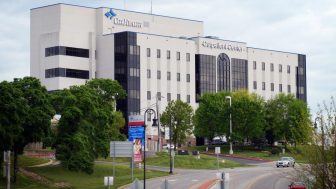
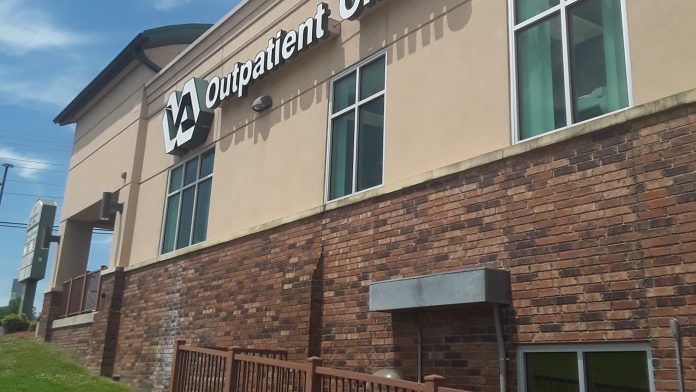
Branson VA Clinic is an outpatient addiction treatment center in Branson, Missouri serving Veterans through the VA Fayetteville Arkansas Health Care system. By offering evidence based therapies and telehealth options with recovery support services I believe they focus on helping Veterans achieve lasting wellness and stability.
Addiction Treatment Programs at Branson VA Clinic
Veterans can access outpatient substance use disorder treatment that includes counseling and relapse prevention as well as case management and medication assisted options. I found they also provide referrals to higher levels of care including intensive outpatient, residential, and inpatient programs when clinically appropriate.
Treatment includes client and group therapy using evidence based approaches designed to address both addiction and mental health challenges. Care is delivered through in-person visits and telehealth appointments offering flexibility and continuity of support.
Quick Facts About Branson VA Clinic
- Levels of care: Outpatient SUD treatment, mental health counseling, telehealth services, and referrals to residential or inpatient programs
- Who they treat: Veterans with substance use disorders, co-occurring mental health conditions, and trauma related challenges
- Approach: Evidence based outpatient therapies, relapse prevention, case management, and medication options for substance use
- Payment options: VA health care benefits for eligible Veterans
- Hours: Monday through Friday, 8:00 a.m. to 4:30 p.m.
Amenities
Private drug rehab provides a comfortable, secure environment that allows you to focus on doing the work to get your life back on track. Benefits include a higher staff-to-client ratio, increased one-on-one time with therapists and healthcare providers, private rooms for clients, and customized forms of therapy.
Residential drug rehab provides the comforts of home with the therapeutic support needed to successfully recover. Benefits of an inpatient program include increased safety, a higher success rate, and the time and distance given to focus on recovery. Residential drug rehabs are often the preferred method of treatment, as they can be tailored to meet specific needs, offer focused therapeutic care, and provide the necessary tools to sustain recovery.
In order to maintain a sense of autonomy, many private rehab facilities offer clients the ability to choose their own private rooms. The privacy and personal space ensure that the recovery process is as comfortable as possible.
Addiction treatment in the metro area benefits clients by offering seamless connections from the city, around the state, and those seeking out-of-state treatment. Another benefit of attending a metro area drug rehab is that you’re close to major airports and ground transportation services.
Business centers are a preferred amenity in many mental health and addiction recovery facilities and typically feature secure, high-speed internet, computer stations, printers, and related business technologies. Business centers are designed to enable professionals and students to continue to participate in work or school activities without leaving the treatment facility.
Addiction Treatment Programs
Addiction treatment for young adults focuses on patients in a unique stage of life. Each young adult program in Missouri offers therapies and activities that are customized to individuals in their teens and twenties.
An adult program in Missouri offers hope to individuals struggling with substance use disorders. Through a variety of therapy methods, these programs treat the disorder and help adults enter and maintain recovery.
The goal of each alcohol rehab in Missouri is to provide effective recovery treatment for alcohol use disorder. To ensure long-term success, treatment includes creating a network of support to help individuals maintain their sobriety after initial rehab is complete.
Treatment at men’s rehab in Missouri is designed to give men the tools they need to cope with challenges, deal with cravings, and live a sober life. Treatment is focused on the unique challenges and root causes of addiction for each man.
Women searching for an addiction treatment program can benefit from women’s rehab in Missouri. These programs offer treatment plans specifically tailored to address issues women face.
Opioid rehab in Missouri typically starts with a medically supervised detox program or medication assisted treatment (MAT) program. Once this stage is completed, participants enter an inpatient or outpatient program that is best suited to meet their unique needs.
As an evidence-based treatment, cognitive behavioral therapy in Missouri is appropriate for inpatient and outpatient settings. This treatment method helps participants change thinking patterns and resulting behaviors and is often included as part of an addiction recovery plan.
Maintaining a focus on treating the whole person, elderly rehab in Missouri addresses medical, psychological, and family issues as they relate to seniors struggling with addiction. Treatment is geared toward older adults, offering relevant strategies for this age bracket.
Women searching for an addiction treatment program can benefit from women’s rehab in Missouri. These programs offer treatment plans specifically tailored to address issues women face.
During Veteran’s rehab in Missouri, specialists provide addiction treatment that addresses the complex challenges that affect Veterans. Therapy methods may include individual counseling as well as group activities such as recovery support, art and music therapy, physical fitness, and equine therapy.
Through the development of cognitive, behavioral, and emotional skills, rational emotive behavioral therapy in Missouri helps participants eliminate irrational beliefs and replace them with healthy ones. This is key to the treatment of substance use disorders.
Assertive Community Treatment (ACT) is an integrative, community-based care strategy designed to address the needs of persons with severe and/or complex mental illness or behavioral disorders. ACT is typically provided by a multidisciplinary team of medical and mental health care providers, social workers, therapists, and other specialists, including addiction recovery professionals. These services are frequently provided in the home and community to clients in crisis, those who are clinically unstable, and those who are unable or unwilling to travel to a hospital or clinic for in-person treatment.
Levels of Care
When you enter outpatient rehab in Missouri, a recovery expert will evaluate your needs and help you develop a personalized treatment plan. This typically includes one-on-one visits with therapists, group therapy, and support group meetings. The length of outpatient rehab will be determined by your recovery needs.
Missouri dual diagnosis treatment programs specialize in helping people with co-occurring disorders recover from both. They are designed to help you manage your mental health and substance abuse disorders during treatment and throughout your recovery journey.
Aftercare rehab in Missouri removes much of the stress and uncertainty that is often a part of post-recovery challenges. These services help you manage life after treatment and prevent relapse. Aftercare may last a few weeks, but many continue to receive support for a year or more.
When you enter inpatient drug rehab in Missouri, you’ll live at the rehab facility and receive 24/7 care under professional supervision. A combination of treatment interventions will be provided, including individual and group therapy, nutritional counseling, experiential therapies, and medication.
When you decide to enter drug rehab in Missouri, you’ll start with detox. During this step, you’ll receive 24/7 supervision as your body is cleansed of all addictive substances. You may receive medication to ease withdrawal symptoms.
Sober living in Missouri is appropriate for anyone who wants to stop using drugs or alcohol. Many residents have recently completed rehab treatment, but this usually isn’t mandatory. Sober living is a common step to help people transition from rehab to independent living. Typical stays last from five to eight months.
When partnering with intervention services in Missouri, you gain access to valuable resources that can guide your loved one to recovery. Assistance includes intervention facilitation, development of a treatment plan, and guidance with navigating the drug rehab admission process.
Accreditations
Contact Information


 Sponsored
Kimberly Hawkins holds a master’s degree in computing and information sciences from East Tennessee State University. She is a content writer specializing in alcoholism, drug addiction, and co-occurring disorders. Kimberly has been passionate about the subject of addiction since her only sibling passed away due to an accidental overdose. Her other interests include playing the piano, being in tranquil natural environments, and spending time with her adult children.
Rehabs.org regularly reviews this listing for accuracy but changes may occur between updates. For the most up-to-date information, please contact Branson VA Clinic.