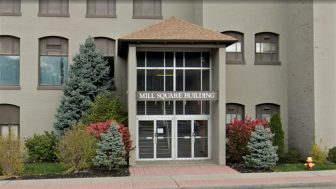
820 Supportive Living
820 River Street
Troy, NY 12180
 Sponsored
About 820 Supportive Living
You can find 820 Supportive Living on River Street in Troy, New York. They provide supportive housing for those transitioning from incarceration or inpatient mental health and/or substance use treatment programs, creating a sober and healthy living environment as you transition back toward living on your own.
Their program supports those that are reintegrating into their community after experiencing SUD or mental health difficulties. I noticed that they offer assistance with securing and maintaining community re-integration, even providing you with funding for furniture and security deposits so that you can comfortably make the transition from either incarceration or inpatient medical treatment.
Apartment Living With Monthly Supportive Check-Ins
Their housing program allows you to either choose to live alone or choose a roommate. They provide check-ins throughout your residency on a monthly basis or more, depending on your need for support. This way, you always have someone looking out for you.
If you require additional support, your case manager will work with you to create an individualized plan for further treatment and services, like 820 River Street’s outpatient treatment at other locations. They will also offer community access to additional programs and services that may promote your healing and recovery.
Emphasis on Education and Returning you to the Workforce
They also emphasize education in their program with the goal of helping you sustain gainful employment following your time here. I appreciate that they provide you with individual peer guides that will work with you to ensure your physical, mental and personal goals while in recovery. Basic education services are provided, along with life skills and other social supportive services to better prepare you for completing your path to sobriety.
Amenities
Private drug rehab provides a comfortable, secure environment that allows you to focus on doing the work to get your life back on track. Benefits include a higher staff-to-client ratio, increased one-on-one time with therapists and healthcare providers, private rooms for clients, and customized forms of therapy.
Residential drug rehab provides the comforts of home with the therapeutic support needed to successfully recover. Benefits of an inpatient program include increased safety, a higher success rate, and the time and distance given to focus on recovery. Residential drug rehabs are often the preferred method of treatment, as they can be tailored to meet specific needs, offer focused therapeutic care, and provide the necessary tools to sustain recovery.
In order to maintain a sense of autonomy, many private rehab facilities offer clients the ability to choose their own private rooms. The privacy and personal space ensure that the recovery process is as comfortable as possible.
Addiction Treatment Programs
While at a young adult program in New York, young people can participate in activities and therapy sessions that cater to their age bracket. They can also form relationships with other young adults for mutual support.
A quality adult program in New York provides a combination of medical, mental, and emotional support to treat the whole individual. Various methods are used to help adults achieve and maintain sobriety.
To address the full range of issues involved in alcohol use disorder, an alcohol rehab in New York often incorporates a variety of treatment methods. Physical activity, nutrition, psychotherapy, and support groups are common aspects of treatment.
Some men benefit most from men’s rehab in New York. These programs understand the unique challenges that men face when struggling with addiction, and they offer personalized treatment to address these challenges.
There are many options available for opioid rehab in New York. Treatment programs include detox, inpatient rehab, outpatient rehab, or intensive outpatient programs (IOPs). Consider the severity of your addiction, how long you’ve been addicted, and personal history to determine which type of program is best for you.
When you choose drug rehab in New York, you’ll participate in a variety of treatments that are designed to help you live a drug-free lifestyle. Common methods of treatment include group, individual, and family counseling, medication management, nutrition, exercise, and management of co-occurring mental health disorders.
Levels of Care
Once rehab is complete, aftercare rehab in New York steps in to prevent relapse. This program gives you access to resources that reduce stress and help you successfully navigate challenges. Studies show that people who take advantage of these resources are more likely to maintain long-term recovery.
Inpatient drug rehab in New York can last 28 to 90 days, depending on the program. During that time, you’ll live at the rehab facility and receive various treatment methods including individual and group therapy.
A New York sober living program is appropriate for those who want to stop using drugs or alcohol but don’t feel ready to do so on their own. This communal environment allows you to live with others who are in recovery, for mutual support and accountability. A structured schedule and strict house policies help you strengthen your recovery skills, until you are strong enough to live independently.