UPMC Northwest
100 Fairfield Dr
Seneca, PA 16346
 Sponsored
About UPMC Northwest
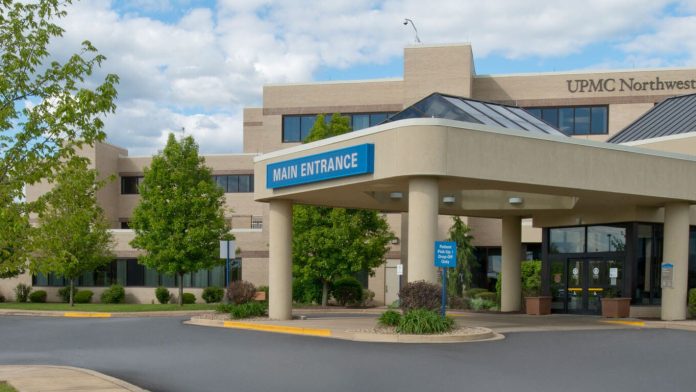
Located in Seneca, Pennsylvania, UPMC Northwest is a large medical system. They offer a range of medical services including behavioral health care treating substance abuse and mental illness in an acute setting. The behavioral health unit in the hospital has a dining room, an outdoor space, and activity rooms. Additionally, treatment will include family meetings and psychiatric evaluation.
UPMC Northwest has two types of inpatient programs: acute and extended acute. The traditional acute care unit has 16 beds, which is a short inpatient stay. The extended acute care unit has 12 beds and is for people who may need a longer stay to stabilize their symptoms and have a successful recovery. The extended acute care program generally treats severe mental illness and co-occurring substance use disorders.
In addition to receiving medical care, these programs focus on helping you learn life skills like money management and recovery maintenance skills. The goal is to be able to reintegrate into the community and meet your daily living goals. During treatment, you’ll participate in group and individual therapy with medication management and education. There will be structured activities and recreation therapy. You’ll have the opportunity to practice your recovery skills with support staff. You’ll also receive a medical assessment to determine any chronic and acute medical needs.
The nice part about going to treatment at UPMC Northwest is having other medical services readily available if you need them.
Some people who’ve gotten medical care here say the staff was uplifting and knowledgeable. Others mentioned the long wait times they endured to receive care.
Amenities
Private drug rehab provides a comfortable, secure environment that allows you to focus on doing the work to get your life back on track. Benefits include a higher staff-to-client ratio, increased one-on-one time with therapists and healthcare providers, private rooms for clients, and customized forms of therapy.
In order to maintain a sense of autonomy, many private rehab facilities offer clients the ability to choose their own private rooms. The privacy and personal space ensure that the recovery process is as comfortable as possible.
When paired with cognitive-behavioral therapy, exercise can be an effective tool for overcoming addiction. Drug rehabs with a gym offer clients healthy ways to increase energy levels, balance the body’s stress hormone levels, and aid in the brain’s healing process.
Some rehab programs offer free Wi-Fi to guests who have full access to their smartphone devices or laptop computers during treatment. While access to these devices may be allowed, the time spent using them is often regulated or restricted so clients can focus on treatment.
Addiction Treatment Programs
A young adult program in Pennsylvania provides a comfortable, age-appropriate environment for treatment. These programs offer life skills education, individualized treatment, family therapy, and aftercare.
The Keystone State offers many resources for those struggling with substance use disorders. Each adult program in Pennsylvania provides individualized care, to meet people where they are and help them take the next step on their recovery journey.
Cognitive behavioral therapy in Pennsylvania helps participants identify inaccurate thinking and learned patterns of negative behavior and how to change them. It gives participants the skills to relieve their symptoms without turning to substances.
Elderly rehab in Pennsylvania works with older adults who are facing addiction. Common services include management of chronic health conditions, case management, and education about prescription medications.
Rational emotive behavioral therapy in Pennsylvania focuses on the present and the relationship between dysfunctional thinking and emotional and behavioral dysfunction. This treatment can uncover faulty beliefs and help you understand what is contributing to your addiction.
Alcohol rehab in Pennsylvania uses various treatment techniques to teach you how to change your lifestyle, living environment, and social connections. These changes help you control urges to drink and learn how to prevent relapse.
Opioid rehab in Pennsylvania often includes medication assisted treatment, which helps alleviate withdrawal. This treatment is combined with other therapies that give you skills to navigate addiction and achieve long-term recovery.
Drug rehab in Pennsylvania is devoted to the treatment of addiction. Levels of care, treatment methods, and settings differ, but the aim of each program is to end drug dependency and empower participants to achieve long-term recovery.
Men’s rehab in Pennsylvania can help men receive support from other men who understand their challenges. This provides a sense of camaraderie that relieves feelings of isolation.
Women’s rehab in Pennsylvania helps females struggling with substance use disorders build the skills necessary to maintain sobriety. Treatment is designed to help women stay on track for long-term recovery.
Levels of Care
When first starting drug rehab in Pennsylvania, many individuals begin with inpatient rehab. This involves staying at the facility 24/7 and receiving a variety of treatment methods that typically include group and individual counseling.
Mental illness and substance abuse are so integrated that they must be treated together. Ignoring one and treating the other doesn’t work. Dual diagnosis treatment in Pennsylvania effectively addresses both mental health and substance abuse disorders, for the best outcomes.
While undergoing outpatient treatment in Pennsylvania, you’ll work through challenges such as cravings, social skills, and relapse prevention as you meet with a recovery expert and attend 12-step meetings. This treatment may last a few weeks or several months, depending on your recovery needs.
Experience safe detox in Pennsylvania as your initial step toward recovery. During this process, you’ll receive 24/7 care while your body is cleansed of all addictive substances. Treatment may include medication to alleviate withdrawal symptoms.
Accreditations
Contact Information


 Sponsored