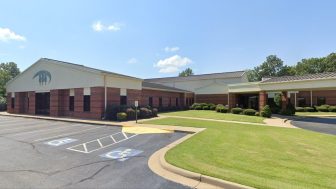
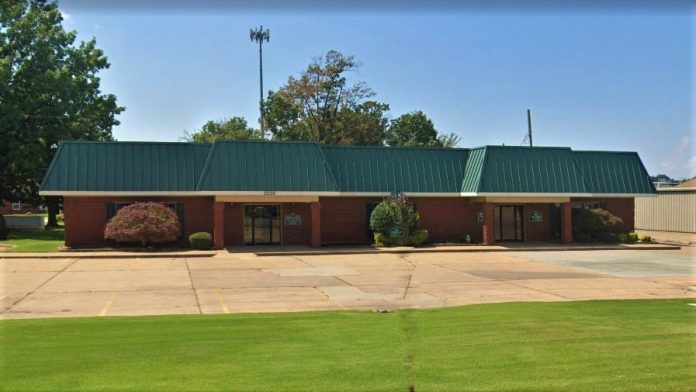
Methodist Counseling Clinic
 Sponsored
About Methodist Counseling Clinic
Methodist Counseling Clinic is an outpatient behavioral health and substance use treatment provider in Jonesboro, Arkansas and part of the statewide Methodist Family Health network.
The clinic offers individual, family, and group counseling, medication consultation and management, case management, psychological testing and dual diagnosis treatment.
Clients may benefit from a trauma-informed, team-based approach built around the Teaching-Family Model.
Dual Diagnosis Treatment Methods
A features I noticed is that the Jonesboro clinic provides numerous services including outpatient counseling, including individual, family, and group sessions, along with medication management, case management, and psychological testing.
Case managers can connect guests to outside agencies or community resources for continued recovery access including healthcare and transportation assistance.
Specialized Recovery Approaches
I also found that specialized approaches include TFCBT, Child Parent Psychotherapy, EMDR and brainspotting, plus dual diagnosis treatment for co-occurring concerns.
The team offers resources such as grief and trauma specialists, registered play therapists, autism-related psychological testing and parent support and education.
The clinic accepts most insurance, including Medicaid and PASSE. This broad coverage helps make behavioral health support accessible to more families.
Amenities
Recreational therapy uniquely combines therapeutic interventions with an activity, like horse-riding, hiking, wilderness therapy, basketball, tennis, or a full workout. Benefits of recreational therapy include providing a healthy way to work through the emotions of recovery, learning to build and maintain relationships, improving communication skills, and building self-esteem.
Addiction Treatment Programs
An effective young adult program in Arkansas gives young people the skills they need to embrace recovery with confidence and the ability to make healthy choices. Treatment focuses on challenges specific to this age group.
Adults aged 18 and older who struggle with substance abuse can attend an adult program in Arkansas to receive treatment for addiction. These programs provide intervention therapies that help the individual stop using and learn ways to stay clean.
For those whose lives have been derailed by alcohol use disorder, alcohol rehab in Arkansas offers hope. Through individualized treatment, these programs address alcohol dependency and help participants recover and begin living a healthy, sober life.
Men’s rehab in Arkansas is designed exclusively for males who are struggling with an alcohol or substance use disorder. Because men and women often respond better to different types of treatment, this targeted rehab can be more effective than mixed-gender treatment.
For women, the experiences that lead to addiction are often very different than men. Women’s rehab in Arkansas addresses the way stress, trauma, genetics, and their environment affect women’s addiction challenges and recovery journey.
Often used to treat dual diagnosis disorders, cognitive behavioral therapy in Arkansas addresses disroders like PTSD, ADD, anxiety, OCD, and bipolar disorder, along with substance use disorders. This method helps individuals find connections between their feelings, thoughts, and actions and understand how those things affect their recovery.
The goal of drug rehab in Arkansas is to help individuals stop using addictive substances and learn healthy ways to remain clean long-term. Participants learn vital skills to cope with cravings and manage stress, to prevent relapse.
Adults over the age of 65 have needs that differ from younger generations. Elderly rehab in Arkansas is tailored to meet these needs with specialized addiction treatment for seniors.
Rational emotive behavioral therapy in Arkansas follows an ABC model to help individuals reframe irrational beliefs to help overcome addiction. The process includes A – activating event, B – beliefs, and C – consequence.
Animal & equine therapy are evidence-based complementary therapies drawing on the emotional, psychological, and physiological benefits of regular contact with animals. Addiction recovery programs may incorporate the care of therapy dogs, cats, horses, and other animals into their treatment model to support clients’ development of recovery-focused life skills, including personal responsibility, time management, and empathy. Contact with therapy animals may reduce stress, enhance mood, decrease depression and anxiety, and increase clients’ self-esteem and sense of wellbeing.
Levels of Care
Many people in drug rehab in Arkansas transition to an outpatient rehab program after completing a residential or partial hospitalization program. This transition allows them to return to their life and responsibilities while still meeting with recovery experts and attending support groups.
Many people who struggle with addiction also experience co-occurring disorders such as depression or anxiety. Dual diagnosis programs in Arkansas specialize in treating both disorders, which is essential for recovery.
Once you’ve completed your initial rehab treatment, you’ll need additional support to prevent relapse. This is where aftercare rehab in Alaska steps in. Through continued access to counselors, support groups, and assistance with job-finding, education, and finances, you’ll get the support you need to maintain sobriety.
Staff
Contact Information


 Sponsored
Patti Croft is a full-time writer who writes about accessing effective addiction treatment during the day but is also pursuing her dream of penning a novel in her spare time. She enjoys copious amounts of coffee as creative fuel and sharing an office with her adorable cat, Beau. Her background is in healthcare management, and she is a passionate advocate for mental health and addiction care.
Rehabs.org regularly reviews this listing for accuracy but changes may occur between updates. For the most up-to-date information, please contact Methodist Counseling Clinic.