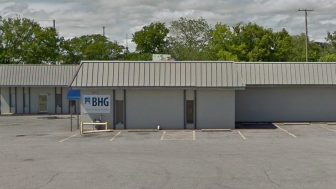
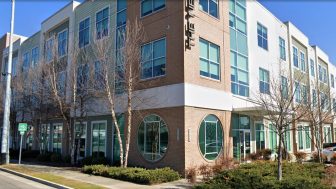
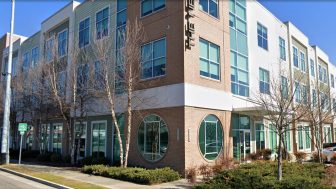
TriStar Centennial Parthenon Pavilion
2401 Parman Pl
Nashville, TN 37203
 Sponsored
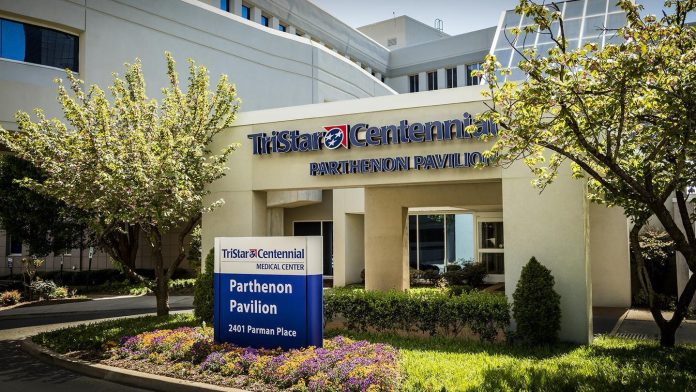
About TriStar Centennial Parthenon Pavilion
TriStar Centennial Parthenon Pavilion is the longest-standing psychiatric hospital in Nashville, Tennessee. They specialize in providing inpatient and outpatient psychiatric care including treating mental health disorders and addiction. TriStar has an inpatient program, a partial hospitalization program, an intensive outpatient program and medication-assisted treatment (MAT). These programs focus on giving you the awareness, tools and knowledge to effectively cope with mental illness and addiction recovery. A specialized treatment program is available for seniors with mental health issues.
Inpatient treatment addresses a range of issues including addiction, eating disorders, depression, and mental trauma. During this program you’ll learn how to express personal struggles, resolve conflict and cope with stress. Licensed professionals will use cognitive behavioral therapy (CBT) and internal family systems to help you heal. You’ll receive a discharge plan that includes a step down to one of the outpatient programs.
The partial hospitalization program is a three-week, 15-session program held Monday through Friday. Group therapy in this program focuses on stabilization and learning new coping skills. There are daytime and evening intensive outpatient program options to accommodate a variety of schedules. The IOP is a six-week program with 24 sessions. There are two IOP tracks including one that focuses on substance abuse and one that focuses on mental health.
People who’ve attended treatment at TriStar say the staff is caring and supportive. Another person said you have to be an active participant in your family’s care. Others mentioned that the communication was unprofessional and the facility felt stifling.
Amenities
Art and music are mediums that connect with our feelings, making them a great recovery tool during addiction treatment. Studies show that combining art/music and drug rehab can have a greater therapeutic impact than drug rehab alone, as you’re able to access parts of your brain and body that you may not have access to during traditional talk therapy. Benefits of art/music therapy include lowering stress and anxiety, promoting healthy neurochemicals, and providing stress relief.
Music can be extremely therapeutic, serving as a valuable healing tool and an integrative feature of a holistic treatment plan. A music room offers a large number of outlets, including singing, playing musical instruments, and listening to music.
In order to maintain a sense of autonomy, many private rehab facilities offer clients the ability to choose their own private rooms. The privacy and personal space ensure that the recovery process is as comfortable as possible.
Private drug rehab provides a comfortable, secure environment that allows you to focus on doing the work to get your life back on track. Benefits include a higher staff-to-client ratio, increased one-on-one time with therapists and healthcare providers, private rooms for clients, and customized forms of therapy.
Residential drug rehab provides the comforts of home with the therapeutic support needed to successfully recover. Benefits of an inpatient program include increased safety, a higher success rate, and the time and distance given to focus on recovery. Residential drug rehabs are often the preferred method of treatment, as they can be tailored to meet specific needs, offer focused therapeutic care, and provide the necessary tools to sustain recovery.
Some rehab programs offer free Wi-Fi to guests who have full access to their smartphone devices or laptop computers during treatment. While access to these devices may be allowed, the time spent using them is often regulated or restricted so clients can focus on treatment.
Yoga and meditation are great activities to support your recovery process during alcohol or drug rehab. These therapies have been around for centuries, and they are an effective way to improve well-being. Combining addiction treatment, yoga, and meditation can reduce cravings, improve sleep, relieve anxiety and depression, provide stress relief, promote relaxation, support emotional healing, and improve energy levels.
When paired with cognitive-behavioral therapy, exercise can be an effective tool for overcoming addiction. Drug rehabs with a gym offer clients healthy ways to increase energy levels, balance the body’s stress hormone levels, and aid in the brain’s healing process.
Addiction Treatment Programs
A young adult program in Tennessee helps participants overcome the effects of substance use on the developing brain. Participants build positive peer relationships, learn how to manage stress without drugs or alcohol, and develop tools for resolving trauma and setting boundaries.
An adult program in Tennessee helps individuals reclaim their lives from addiction. Through various treatment methods, adults learn how to end their dependence on substances and live a drug-free lifestyle.
An elderly rehab in Tennessee is adapted to the physical, emotional, and mental needs of seniors. Treatment is customized for the individual, with a focus on intervention, treatment, and relapse prevention.
An alcohol rehab in Tennessee provides treatment to break free from alcohol addiction. Methods typically combine counseling, group support, and behavioral therapy, with alcohol abstinence and long-term sobriety as the goals.
Opioid rehab in Tennessee helps you overcome your addiction to opioids. Programs typically include detoxification, medication assisted treatment, and counseling. Detox helps you safely manage withdrawal. Counseling helps you explore the reasons behind your addiction and learn skills to overcome it.
Levels of Care
If you choose inpatient drug rehab in Tennessee, you live at the facility while receiving treatment. You’ll have 24/7 supervised clincial care while also receiving group and individual counseling and other forms of therapy.
Those who are coping well with reentry into society while sober are good candidates for outpatient rehab in Tennessee. This program involves attending multiple on-site sessions per week to provide accountability and support. Treatment lasts as long as you need it to, as it's based on your recovery progression.
Substance abuse disorders are often accompanied by mental health issues such as depression, bipolar disorder, or ADHD. In these cases, dual diagnosis treatment in Tennessee offers integrated treatment to effectively treat both co-occurring disorders.
Accreditations
Accepted Insurance





Contact Information


 Sponsored