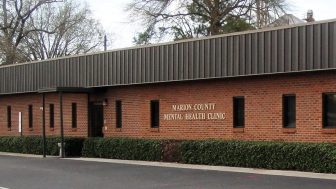
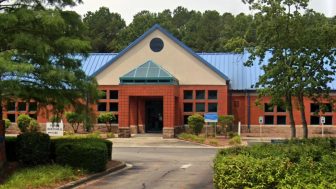
Trinity Behavioral Care of Dillon County
1719 Commerce Drive
Dillon, SC 29536
 Sponsored
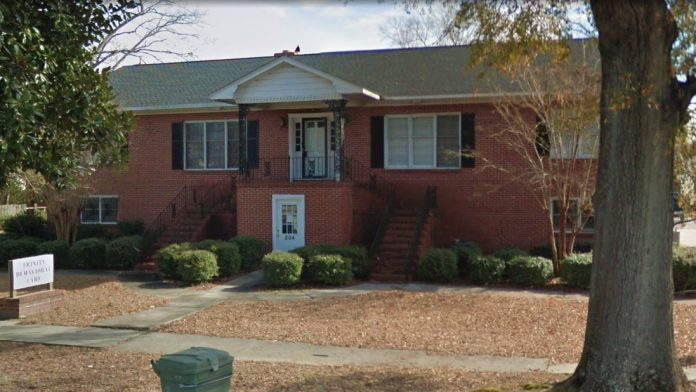
About Trinity Behavioral Care of Dillon County
Trinity Behavioral Health of Dillon County has delivered comprehensive addiction and behavioral health support to the people of Dillion, South Carolina. They have programs for each age group.
This location is dedicated to prevention and education services, too. They collaborate with local programs and providers to better serve the community and strengthen its approach to addiction treatment and prevention. They'll even refer you to other treatment programs if they feel said programs will serve your needs better.
They work with many types of insurance, including Medicaid. You won't be turned away due to an inability to pay, and many services are free to those who meet income requirements.
Support for Veterans
This location understands the difficulties veterans can face getting assistance, including addiction and mental health treatment. That's why they host special events for veterans in addition to providing much needed care. These events often help this underserved community access and make the most of community resources.
What I like best about their support is that it often goes beyond healthcare. In the past, they've helped vets locate legal aid and housing support. It's all part of the bigger picture of mental well being, so it's nice to see extensive support like this.
Alcohol and Drug Safety Action Program
If you find yourself convicted of DUI, the state requires you to take a special course to get your license back. That's what ADSAP is, and this clinic is a provider. The course combines education with treatment in a single package to meet all state requirements and, more importantly, get you the help you need to achieve sobriety.
They also offer checks on kids who smoke or drink. They’ll make sure that all clients are in compliance with court orders and following their programs.
Serene Recovery in Dillion, South Carolina
Being able to unplug and be in the moment is a powerful thing that can help you in recovery. I think Dillion's Little Pee Dee State Park is a great place to unwind and relax. Whether you're looking for recreation, like walking trails or paddling on Lake Norton, or simply being in nature, you can make the experience part of your recovery tool belt.
Amenities
Private drug rehab provides a comfortable, secure environment that allows you to focus on doing the work to get your life back on track. Benefits include a higher staff-to-client ratio, increased one-on-one time with therapists and healthcare providers, private rooms for clients, and customized forms of therapy.
Residential drug rehab provides the comforts of home with the therapeutic support needed to successfully recover. Benefits of an inpatient program include increased safety, a higher success rate, and the time and distance given to focus on recovery. Residential drug rehabs are often the preferred method of treatment, as they can be tailored to meet specific needs, offer focused therapeutic care, and provide the necessary tools to sustain recovery.
Addiction Treatment Programs
A young adult program in South Carolina focuses only on young adults and their developmental needs as they face addiction issues. Treatment addresses the unique challenges of this stage of life and helps young adults work through recovery.
The goal of an adult program in South Carolina is to help individuals who have substance use disorders achieve the highest level of independence and best quality of life attainable. This is accomplished through a variety of counseling and therapy methods tailored to the individual.
Alcohol rehab in South Carolina includes outpatient and inpatient programs. Inpatient requires participants to live at the facility, while outpatient programs provide daily support while the individual lives at home. The goal of both is to address addiction issues and help participants achieve long-term sobriety.
Men’s rehab in South Carolina can provide an environment where men feel safe from judgment and are comfortable sharing about their struggles. This can be key to successful recovery.
Women’s rehab in South Carolina focuses on physical, emotional, and spiritual support for women who are struggling with addiction. Often, women feel more relaxed and recover more quickly in these gender-specific settings.
Opioid rehab in South Carolina offers hope for those struggling with opioid use disorder. Professional treatment can reduce withdrawal symptoms and address the mental and physical issues of addiction so you can begin to heal.
Therapists often use cognitive behavioral therapy in South Carolina to help individuals learn how to deal with challenging situations without the use of substances. This treatment often includes role-playing techniques.
Get the tools you need to fight back against addiction at drug rehab in South Carolina. Rehab treatment helps you overcome drug dependency, manage cravings, and prevent relapse. This is accomplished through individualized treatment that addresses a full spectrum of physical, social, and emotional needs.
Levels of Care
South Carolina outpatient rehab often helps people transition back to their lives from inpatient rehab. This less restrictive program involves attending regular counseling sessions and support group meetings. The length of outpatient rehab varies from short-term to long-term, based on each person’s recovery journey.
Treating a substance abuse disorder without treating a co-occurring mental health disorder is not effective. If you have co-occurring disorders, you need dual diagnosis treatment in South Carolina to properly address all your recovery needs.
Aftercare rehab in South Carolina gives you the guidance and support you need once you complete rehab. As you face temptations and life challenges, it provides resources to overcome hurdles and maintain sobriety. Common services include life coaching, counseling, and support groups. This aftercare often continues for a year or more after initial treatment.
The ultimate goal of intervention services in South Carolina is to motivate your loved one to get the treatment they need. This is accomplished through professional intervention facilitation and the development of an effective treatment plan that meets your loved one’s needs.
Accreditations
Accepted Insurance



Contact Information


 Sponsored