Tri-Cities Community Health
 Sponsored
About Tri-Cities Community Health
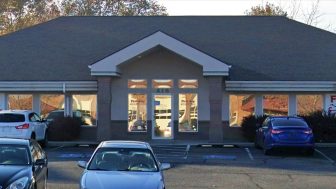
Tri-Cities Community Health (TCCH) is a federally recognized community health center in Pasco, Washington offering accessible and whole person care as part of a broader substance use and behavioral health network.
The 515 W Court St location provides primary care, pharmacy services and eye care, walk in medical care and health insurance enrollment, while behavioral health and chemical dependency support are available through TCCH's wider network.
I think it's noteworthy how patients appreciate the organization's affordable, patient centered approach that welcomes everyone regardless of insurance status.
What programs does TCCH offer?
The 515 W Court St clinic focuses on integrated primary care, pharmacy access and eye care, walk in medical services and insurance enrollment.
Through TCCH's broader behavioral health program, I want to note that patients can access outpatient counseling and psychiatric care, medication management and care coordination, independent living skills support and chemical dependency services.
Who can get help here?
The TCCH's behavioral health program serves youth and adults throughout Benton and Franklin Counties.
Services address substance use concerns alongside depression, anxiety and bipolar disorder, grief and other mental and emotional health needs, with cultural awareness of the diverse Tri-Cities community.
Where is the clinic located?
TCCH is located at 515 W Court St in Pasco, part of a network serving Pasco, Kennewick and Richland.
The clinic offers weekday medical and walk in hours, along with an on site pharmacy providing free delivery, curbside pickup and safe medication disposal.
Do they take insurance?
TCCH serves patients with or without insurance and accepts most plans.
A sliding fee discount may be available based on household income and size, and legal status, residency or citizenship do not affect eligibility.
Amenities
Private drug rehab provides a comfortable, secure environment that allows you to focus on doing the work to get your life back on track. Benefits include a higher staff-to-client ratio, increased one-on-one time with therapists and healthcare providers, private rooms for clients, and customized forms of therapy.
In order to maintain a sense of autonomy, many private rehab facilities offer clients the ability to choose their own private rooms. The privacy and personal space ensure that the recovery process is as comfortable as possible.
Addiction Treatment Programs
Options for a young adult program in Washington include residential programs, sober living homes, recovery support groups, specialized counseling, family therapy, alternative therapy, and social skills development. These rehab treatments often include therapy to address co-occurring disorders.
For those aged 18 and older, an adult program in Washington can help in overcoming addiction. You can get effective treatment for substance use disorders and related mental health issues at the level of care that works best for you.
During alcohol rehab in Washington, you’ll participate in a variety of individual and group therapy sessions. These treatments are designed to help you address issues related to substance use and develop new coping skills. The goal is to empower you to achieve long-term recovery.
Men’s rehab in Washington focuses on specific challenges faced by men, including relationship dynamics. Gender-specific treatment helps men repair damage to their relationships and get the support they need.
Women’s rehab in Washington effectively treats drug and alcohol addiction by addressing the unique needs of substance-dependent women, which provides an opportunity to break the addiction cycle and embrace long-term recovery.
Opioid rehab in Washington begins with breaking your physical dependence on opioids, through safe, supervised detox. After this phase, you will work on overcoming damage caused by opioid use disorder, through a variety of therapy methods. You’ll then receive aftercare to prevent relapse.
Cognitive behavioral therapy in Washington teaches healthy coping strategies. Treatment includes setting goals, learning communication skills, and cognitive-behavioral strategies to manage triggers.
EMDR Therapy is a neurobiological treatment modality used to address trauma disorders and related mental and behavioral health challenges. Short for eye movement desensitization and reprocessing, EMDR is designed to help clients cope with distressing memories and emotions, including fear, sadness, and anger. EMDR may help clients in addiction recovery manage the psychological and emotional triggers that contribute to substance misuse and/or addiction relapse.
Levels of Care
Outpatient rehab in Washington is often a good option if you’re in long-term recovery and need ongoing coaching to avoid relapse. This treatment provides accountability and support while you maintain other life responsibilities.
When substance abuse and mental illness are both present, you need specialized treatment to achieve recovery. Both the substance abuse and mental health disorder must be treated by dual diagnosis treatment in Washington.
Inpatient alcohol and drug rehab in Washington offers the most intensive level of care for those who need 24/7 clincial supervision. You will live at the facility for four to 12 weeks, and receive treatment such as individual and group therapy, medication, and recreational therapies.
When you enter drug rehab in Washington, medical professionals will create a custom detox plan to begin your recovery. This process slowly and safely cleanses your body of addictive substances.
Contact Information


 Sponsored
Natalie is a recent graduate of Purdue University, where she studied psychology and creative writing. Every morning, she’s fueled by a cup of tea and her passion for making sure mental health resources are accessible to everyone. In her spare time, she loves writing poetry by her window, where she can watch the sunrise.
Rehabs.org regularly reviews this listing for accuracy but changes may occur between updates. For the most up-to-date information, please contact Tri-Cities Community Health.