
Three Rivers Treatment Center
231 Hickory Road
Kenbridge, VA 23944
 Sponsored
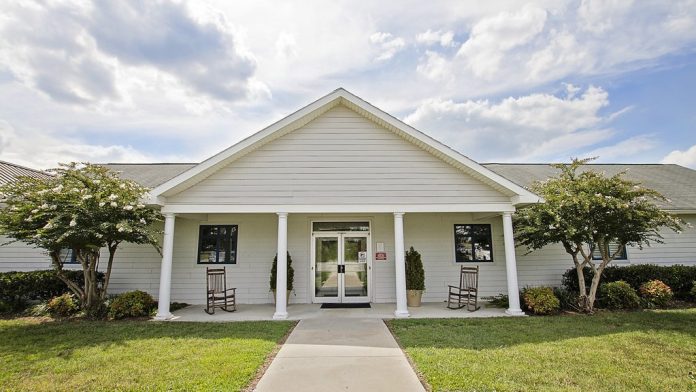
About Three Rivers Treatment Center
Three Rivers Treatment Center in Kenbridge, Virginia, is an accredited facility specializing in the treatment of psychiatric and behavioral issues, including substance abuse issues. Support is available to teens aged 11 to 17 years, regardless of gender or background.
The center provides a youth-guided psychiatric residential program to support teens and their families by providing comprehensive care for behavioral and psychiatric conditions. Just some of the issues clients come here with include self-harm, substance abuse, dual diagnoses, legal troubles, emotional distress and cognitive challenges. The program is designed to meet participants’ physical, mental, emotional and spiritual needs for a holistic healing experience that nurtures their well being as a whole.
As a licensed level C residential center, Three Rivers treats both male and female clients respectively. Their team strongly encourages family involvement in the recovery process for best results, with residents committing fully to their recovery and engaging with the program. Many participants may have a background of school suspensions or expulsions, unpredictable mood swings and disruptive or destructive behavior. This is pretty standard, and the team here has seen it all. For this reason, the residential program is considered ideal for offering young people stability and a space to come to terms with their issues in a safe, judgment-free environment.
While here, residents can benefit from 24/7 nursing and medical services; individual, group, and family therapy; and psychoeducational groups. These are also available to their family members, along with family conflict resolution training, family reunification services and a consulting program for parents. Community outings are also provided, as well as a range of research-based mindfulness activities. Residents can relax through meditation, art or horticulture sessions, or they can express themselves through dance, music, culinary classes or expressive therapy sessions. Discharge planning and transitional services are also available, with post-discharge care factored in to ensure individuals are supported long after they complete the program.
Amenities
Private drug rehab provides a comfortable, secure environment that allows you to focus on doing the work to get your life back on track. Benefits include a higher staff-to-client ratio, increased one-on-one time with therapists and healthcare providers, private rooms for clients, and customized forms of therapy.
Residential drug rehab provides the comforts of home with the therapeutic support needed to successfully recover. Benefits of an inpatient program include increased safety, a higher success rate, and the time and distance given to focus on recovery. Residential drug rehabs are often the preferred method of treatment, as they can be tailored to meet specific needs, offer focused therapeutic care, and provide the necessary tools to sustain recovery.
In order to maintain a sense of autonomy, many private rehab facilities offer clients the ability to choose their own private rooms. The privacy and personal space ensure that the recovery process is as comfortable as possible.
Addiction Treatment Programs
When individuals choose a young adult program in Virginia, they have the opportunity to participate in a supportive and safe program specifically designed for people in their teens and twenties. Treatment helps them make choices during this stage of life that lead to healthy, long-term recovery.
An adult program in Virginia is often the ideal solution for individuals struggling with substance use. Care is available at different intensity levels, based on individual situations, and a variety of treatment methods are used, to meet each person’s unique needs.
At men’s rehab in Virginia, participants don’t have to feel the need to hide their struggles. Men can share emotions and challenges freely and get the support they need.
Women’s rehab in Virginia often allows participants to find their voices for the first time. The safe, caring environment nurtures relationships with other women and helps women discover who they are and how to live a life without substances.
In an addiction treatment setting, cognitive behavioral therapy in Virginia is helpful because it targets triggers and helps individuals develop healthy coping skills. It focuses on changing thoughts and related behaviors. This is ideal for relapse prevention.
When you enroll in drug rehab in Virginia, you receive a treatment regimen that is designed to help you overcome your addictive behaviors. This may include education on addiction, group therapy, mental therapy, and relapse prevention.
Rational emotive behavioral therapy in Virginia is a form of psychotherapy often used in addiction treatment to help participants change their thinking patterns and resulting actions. They learn to develop new coping skills and healthier thought and behavior patterns to achieve long-term recovery.
EMDR Therapy is a neurobiological treatment modality used to address trauma disorders and related mental and behavioral health challenges. Short for eye movement desensitization and reprocessing, EMDR is designed to help clients cope with distressing memories and emotions, including fear, sadness, and anger. EMDR may help clients in addiction recovery manage the psychological and emotional triggers that contribute to substance misuse and/or addiction relapse.
Animal & equine therapy are evidence-based complementary therapies drawing on the emotional, psychological, and physiological benefits of regular contact with animals. Addiction recovery programs may incorporate the care of therapy dogs, cats, horses, and other animals into their treatment model to support clients’ development of recovery-focused life skills, including personal responsibility, time management, and empathy. Contact with therapy animals may reduce stress, enhance mood, decrease depression and anxiety, and increase clients’ self-esteem and sense of wellbeing.
Moral Reconation Therapy (MRT) is a form of psychotherapy commonly used in addiction recovery. Based on cognitive behavioral therapy (CBT), moral reconation therapy (MRT) helps clients recognize unhealthy and/or harmful thought patterns and to replace them with more positive and productive ones. MRT is designed to empower clients to make healthier life choices and to more effectively align their behaviors with their moral values.
Levels of Care
Substance abuse and mental illness often go hand in hand. When they co-occur, it is crucial to treat both disorders. A Virginia dual diagnosis treatment center offers the integrated approach necessary to address all issues involved.
Virginia aftercare rehab is an important follow-up to rehab. Many people in recovery remain in aftercare for a year or more. During that time, aftercare services provide continued counseling, support groups, and practical legal, financial, and career guidance.
Drug and alcohol rehab in Virginia often takes place in an inpatient rehab setting. This means living at the treatment center under 24/7 clincial supervision while you receive various treatments. Typical methods include individual and group therapy, medication, and dietary counseling.
Drug rehab in Virginia typically starts with detox. This is the process of ridding your systems of all addictive substances. You will receive a custom detox plan created by professionals to suit your recovery goals.
Accreditations
Contact Information


 Sponsored
Nearby Treatment Centers
1746 East Atlantic Street
Emporia, VA 23847

2087 Lawrenceville Plank Rd
Lawrenceville, VA 23868
3910 Old Buckingham Rd
Powhatan, VA 23139
11901 Reedy Branch Rd
Chesterfield, VA 23838
