The Salvation Army Warren Corps Community Center
24140 Mound Road Warren, MI 48091
 Sponsored
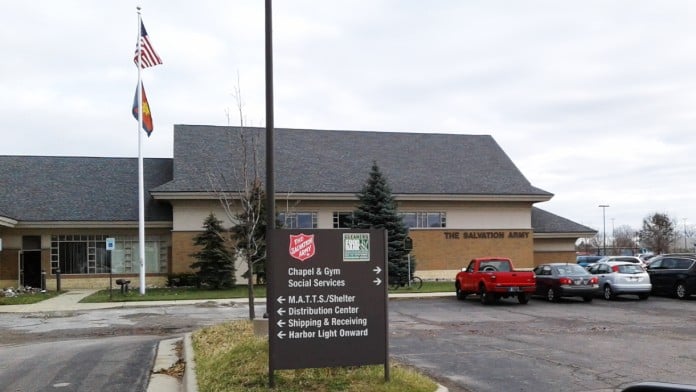
About The Salvation Army Warren Corps Community Center
The Salvation Army Warren Corps Community Center provides outpatient addiction treatment and extensive community support services in Warren, Michigan. They utilize evidence-based practices like cognitive behavioral therapy (CBT) and the Matrix Model to treat substance use disorders and co-occurring mental health conditions.
The center operates with a Christ-centered mission and is dedicated to meeting human needs without discrimination through a blend of spiritual care and clinical support.
Outpatient Addiction Recovery in Warren
This facility focuses on outpatient recovery services. It offers structure and support for adults seeking sobriety. As part of the Salvation Army Harbor Light system, they provide comprehensive care that includes professional counseling, case management and connections to the MATTS shelter for those requiring immediate housing.
Treatment plans integrate clinical techniques like motivational interviewing and relapse prevention with optional spiritual counseling. Clients engage in trauma-informed therapy and contingency management strategies to address the root causes of addiction while building practical skills for a sustainable recovery.
Dual Diagnosis and Trauma Support
The center recognizes that addiction often exists alongside other challenges. It offers specialized support for individuals with co-occurring mental health disorders and trauma histories. The clinical team uses trauma-related counseling to ensure men and women receive holistic care that addresses both substance use and emotional health.
Location, Access, and Payment Info
The Salvation Army Warren Corps serves Macomb County and the Detroit area through in-person outpatient programs at its Mound Road facility. They are part of the established Harbor Light recovery system providing professional care rooted in a long history of community service. To maximize accessibility they accept Medicaid, Medicare, government funding and offer sliding fee scales for self-payment.
Amenities
Private Rehab
Private drug rehab provides a comfortable, secure environment that allows you to focus on doing the work to ge...t your life back on track. Benefits include a higher staff-to-client ratio, increased one-on-one time with therapists and healthcare providers, private rooms for clients, and customized forms of therapy.
Residential Setting
Residential drug rehab provides the comforts of home with the therapeutic support needed to successfully recov...er. Benefits of an inpatient program include increased safety, a higher success rate, and the time and distance given to focus on recovery. Residential drug rehabs are often the preferred method of treatment, as they can be tailored to meet specific needs, offer focused therapeutic care, and provide the necessary tools to sustain recovery.Addiction Treatment Programs
Adult Program
No single adult program in Michigan is right for everyone. That’s why each program is tailored to meet the needs of the individual. Common aspects to an adult rehab program include individual counseling, group therapy, and aftercare support.Alcoholism
The backbone of most alcohol rehab in Michigan is a combination of individual and group therapy methods. Through these sessions, individuals learn how to address issues contributing to addiction and develop healthy lifestyle habits.Opioid Treatment
Each opioid rehab in Michigan is unique, but most consist of several key steps: admission, detox, addiction therapy, specialized care, and aftercare. Professional staff evaluate each person’s needs to recommend treatment duration and specific therapies.Cognitive Behavioral Therapy (CBT)
During cognitive behavioral therapy in Michigan, participants do more than talk with their therapists. This is an engaging, hands-on approach that requires active participation. Individuals work with their therapist to change their thought and behavior patterns to overcome addiction.Drug Rehab
Drug rehab in Michigan typically involves several phases. Individuals start with assessment, then move through the stages of detox, rehab, and aftercare. These programs can last for one week to one year.12-Step Program
12-Step Programs are among the most popular and proven addiction recovery programs in the world. They are predicated on a lifelong recovery model that prioritizes whole-person healing and integrates the physical, psychological, emotional, social, and spiritual aspects of recovery. Programs are free, anonymous, open to the public, and community-based and are centered on group support, one-on-one peer coaching, and recovery education.Levels of Care
Inpatient Rehab
Inpatient drug rehab in Michigan offers multiple forms of evidence-based treatments and complementary therapie...s you must particiapte in while living at the facility. Some inpatient rehabs offer nutritional counseling, recreational therapy opportunities, and meditation classes.Outpatient Rehab
Outpatient rehab in Michigan is tailored to each person’s recovery journey. This treatment usually involves ...several hours of therapy sessions each week, along with attendance at support group meetings. However, the timeline varies from a few weeks, to months, to years, based on your needs.Dual Diagnosis & Mental Health
A dual diagnosis treatment center in Michigan allows you to get treatment for substance abuse and mental healt...h disorders at the same time. This is critical, because untreated mental health disorders often lead to relapse and poor recovery outcomes.Aftercare & Alumni Program
Aftercare rehab in Michigan helps you overcome hurdles after completing an addiction treatment program. You ca...n receive assistance with finding a job, navigating legal issues, getting education, or plugging into a support group. These aftercare services unlock resources to help you continue to live a sober life.Sober Living
Acting as a bridge between rehab and the rest of your life, sober living in Michigan can be very beneficial. T...his drug-free residential setting provides structure and teaches responsibility. You’ll receive peer support and strengthen skills you learned in rehab. Once you feel ready to live on your own, you can transition from sober living to independent housing.Accreditations

CARF
Insurance
 Financial Aid
If you're a Michigan resident in need of financial assistance with rehab, Financial Aid may be an option. This... can help you access all levels of care, including detox, inpatient rehab, and more. Types of financial assistance options include grants, scholarships, non-profit programs, personal funding, and health insurance programs to help you manage the expense of substance abuse treatment.
 Free Rehab
Most states offer free alcohol and drug rehabs through public mental health and addiction treatment centers. T...hese centers often provide detox, intensive outpatient programs (IOPs), residential treatment, partial hospitalization programs (PHPs), and support groups. You must meet certain requirements in order to qualify for free alcohol and drug rehabs, such as lack of income and insurance.
 Medicaid Accepted
You may be eligible for Medicaid, which can help with the cost of alcohol and drug rehab in Michigan. Covering... all levels of care, Medical Assistance can make detox, inpatient and outpatient rehab, and other forms of addiction affordable.
 Medicare Accepted
You may be eligible for Michigan Medicare, which could cover the cost of alcohol and drug rehab in Michigan. T...he amount of coverage will depend on many things, including whether you are seeking inpatient or outpatient treatment for substance abuse.
 Private Insurance
If you have private insurance, you may be able to use your coverage to help cover the cost of alcohol and drug... rehab in Michigan. Your rehab insurance policy may cover a poirtion of treatment or it may cover 100% of your treatment costs..Check with your insurer for more information.
 Self-Pay Options
In Michigan, you have the option to pay for your drug or alcohol addiction treatment through self-pay options,... also known as private pay. This allows you to manage the cost of your recovery journey. All levels of care, including detox, inpatient rehab, and more, are available to you through this option without limitations of insurers or state-run programs.
 Sliding Scale Payment
If you need help with the cost of alcohol and drug rehab in Michigan but cannot pay the full amount, a sliding... scale payment plan may be the solution for you. This option can provide access to all levels of care, including detox, inpatient rehab, and more. To qualify for this treatment discount, you must complete an application and provide supporting financial documentation.Contact The Salvation Army Warren Corps Community Center


 Sponsored