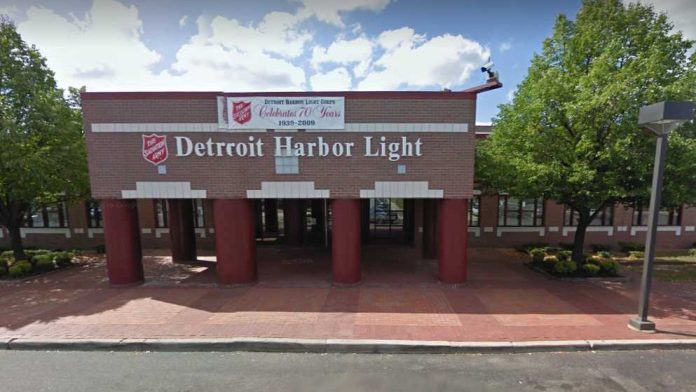
Salvation Army Detroit Harbor Light
3737 Lawton Street
Detroit, MI 48208
 Sponsored
About Salvation Army Detroit Harbor Light
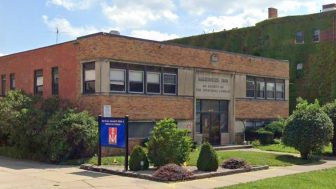
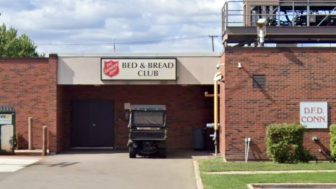
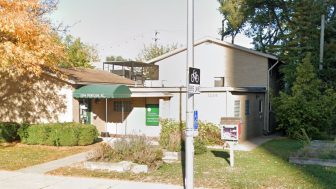
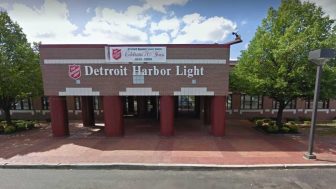
Based in Michigan, The Salvation Army’s Detroit Harbor Light Center provides full-service professional addiction treatment to adults aged 18 and older including pregnant and post-partum individuals.
In case you haven’t heard of it, The Salvation Army is an international movement. Guided by the evangelical part of the universal Christian Church, its message is based on the Bible. All of its locations seek to preach the gospel while helping and supporting fellow human beings without discrimination in His name.
Here, clients can access mental health services, pastoral care, on-site legal aid and emergency legal aid. In terms of specific addiction treatment services, clients can begin by getting clean with the center’s detox services. This takes place over three to five days using medication-assisted treatment (MAT) which involves the prescription of Suboxone.
Following this, individuals may move on to inpatient treatment. This can last anywhere from 10 to 90 days depending on the severity of the individuals’ addiction. During this time, residents will receive individual, group and family therapy as well as peer support.
Following this, clients may move on to intensive outpatient (IOP) or standard outpatient programming. IOP can include recovery housing for those who may benefit from the additional support and structure this set-up brings. Otherwise, standard outpatient schedules are pretty flexible with daytime, evening, and weekend sessions to fit around clients’ busy work or study schedules, or family commitments. During this time, participants may access case management services to get linked up with additional support services that will further help them achieve their recovery goals.
Other services available include grief counseling, AA and NA support groups and a specialty women’s program.
Amenities
Private drug rehab provides a comfortable, secure environment that allows you to focus on doing the work to get your life back on track. Benefits include a higher staff-to-client ratio, increased one-on-one time with therapists and healthcare providers, private rooms for clients, and customized forms of therapy.
Residential drug rehab provides the comforts of home with the therapeutic support needed to successfully recover. Benefits of an inpatient program include increased safety, a higher success rate, and the time and distance given to focus on recovery. Residential drug rehabs are often the preferred method of treatment, as they can be tailored to meet specific needs, offer focused therapeutic care, and provide the necessary tools to sustain recovery.
Recreational therapy uniquely combines therapeutic interventions with an activity, like horse-riding, hiking, wilderness therapy, basketball, tennis, or a full workout. Benefits of recreational therapy include providing a healthy way to work through the emotions of recovery, learning to build and maintain relationships, improving communication skills, and building self-esteem.
In order to maintain a sense of autonomy, many private rehab facilities offer clients the ability to choose their own private rooms. The privacy and personal space ensure that the recovery process is as comfortable as possible.
Wilderness rehab programs offer all the benefits of a traditional drug rehab, but with the added benefits of outdoor adventure. Venture out into the forest to learn new skills, explore the beauty of nature, and relieve stress. Engaging in wilderness activities is a great way to gain self-discovery and release negative emotions.
When used as part of an evidence-based treatment plan, basketball can boost physical and mental health, lead to sharper thinking, and facilitate improved self-esteem. Drug rehabs with a basketball court also place a focus on teamwork and cooperation.
Addiction Treatment Programs
A young adult program in Michigan specializes in treatment tailored to individuals in this stage of life who are suffering from substance use disorder. Treatment addresses addiction and the challenges related to young-adult life.
No single adult program in Michigan is right for everyone. That’s why each program is tailored to meet the needs of the individual. Common aspects to an adult rehab program include individual counseling, group therapy, and aftercare support.
The backbone of most alcohol rehab in Michigan is a combination of individual and group therapy methods. Through these sessions, individuals learn how to address issues contributing to addiction and develop healthy lifestyle habits.
During men’s rehab in Michigan, individuals spend a significant amount of time in therapy. This gender-specific treatment gives men the tools they need to cope with stress and live without drugs and alcohol.
Women’s rehab in Michigan offers a full continuum of care for women seeking treatment for addiction. Programs range from intensive inpatient care to aftercare services.
Each opioid rehab in Michigan is unique, but most consist of several key steps: admission, detox, addiction therapy, specialized care, and aftercare. Professional staff evaluate each person’s needs to recommend treatment duration and specific therapies.
During cognitive behavioral therapy in Michigan, participants do more than talk with their therapists. This is an engaging, hands-on approach that requires active participation. Individuals work with their therapist to change their thought and behavior patterns to overcome addiction.
Drug rehab in Michigan typically involves several phases. Individuals start with assessment, then move through the stages of detox, rehab, and aftercare. These programs can last for one week to one year.
Age-specific rehab can put participants at ease because they are with their peers. Elderly rehab in Michigan provides a safe and inviting setting for seniors to get the help they need to overcome addiction.
Women’s rehab in Michigan offers a full continuum of care for women seeking treatment for addiction. Programs range from intensive inpatient care to aftercare services.
Veteran’s rehab in Michigan is often staffed by Veterans who understand the experiences of program participants. Services are tailored to meet Veterans’ needs with focused individual and group therapy as well as nutritional education, family therapy, recreational therapy, and other interventions.
Through rational emotive behavioral therapy in Michigan, participants identify unhealthy beliefs and replace them with healthy ones. This relieves emotional distress and frees the person to move forward with better decision-making for their recovery journey.
Fitness therapy is an evidence-based complementary approach to addiction recovery and mental health care. Based on mounting scientific evidence of the benefits of physical activity in improving mood, enhancing clients’ sense of wellbeing, and decreasing depression and anxiety, fitness therapy encompasses a wide spectrum of intensities, from gentle yoga, qigong, and tai chi to weight training, kickboxing, and other highly physical activities.
Assertive Community Treatment (ACT) is an integrative, community-based care strategy designed to address the needs of persons with severe and/or complex mental illness or behavioral disorders. ACT is typically provided by a multidisciplinary team of medical and mental health care providers, social workers, therapists, and other specialists, including addiction recovery professionals. These services are frequently provided in the home and community to clients in crisis, those who are clinically unstable, and those who are unable or unwilling to travel to a hospital or clinic for in-person treatment.
Levels of Care
Outpatient rehab in Michigan is tailored to each person’s recovery journey. This treatment usually involves several hours of therapy sessions each week, along with attendance at support group meetings. However, the timeline varies from a few weeks, to months, to years, based on your needs.
A dual diagnosis treatment center in Michigan allows you to get treatment for substance abuse and mental health disorders at the same time. This is critical, because untreated mental health disorders often lead to relapse and poor recovery outcomes.
Aftercare rehab in Michigan helps you overcome hurdles after completing an addiction treatment program. You can receive assistance with finding a job, navigating legal issues, getting education, or plugging into a support group. These aftercare services unlock resources to help you continue to live a sober life.
Inpatient drug rehab in Michigan offers multiple forms of evidence-based treatments and complementary therapies you must particiapte in while living at the facility. Some inpatient rehabs offer nutritional counseling, recreational therapy opportunities, and meditation classes.
When you enter drug rehab in Michigan, you’ll start with detox. This process includes round-the-clock supervision and medical care, to slowly and safely remove toxins from your system. It may include the use of medications to ease withdrawal.
Acting as a bridge between rehab and the rest of your life, sober living in Michigan can be very beneficial. This drug-free residential setting provides structure and teaches responsibility. You’ll receive peer support and strengthen skills you learned in rehab. Once you feel ready to live on your own, you can transition from sober living to independent housing.
Intervention services in Michigan are often key to starting the recovery process. Intervention specialists provide support to encourage your loved one to get the help they need, provide access to educational and comjunity resources, and offer assistance with developing intervention and treatment plans.
Accreditations
Contact Information


 Sponsored