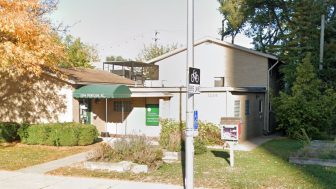
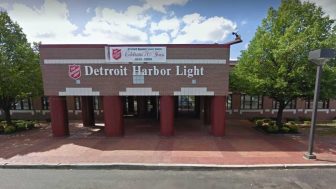
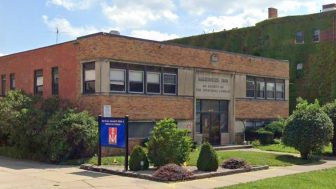
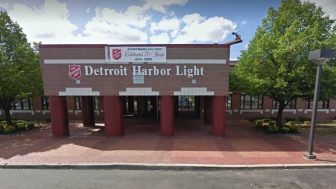
The Salvation Army Booth Services Shelter
3737 Humboldt Street
Detroit, MI 48208
 Sponsored
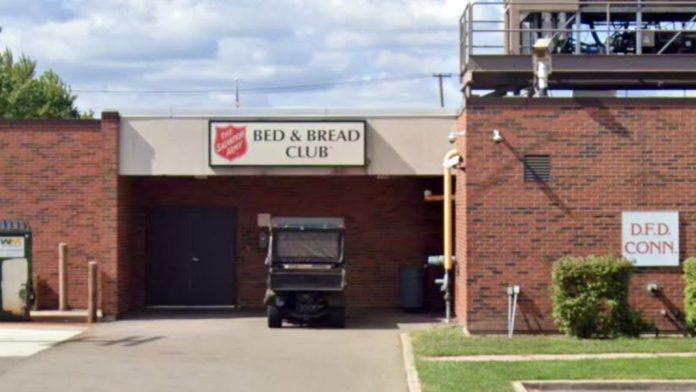
About The Salvation Army Booth Services Shelter
The Salvation Army’s Harbor Light Program reflects its commitment to extending accessible care to the underserved and indigent communities. Harbor Light provides food, shelter and support services for those suffering from substance abuse in Detroit, Michigan. This includes detox, residential care and outpatient treatment. These programs are tailored to meet your unique need for self-sufficiency and sustainable sobriety after struggling with substance use disorder.
Harbor Light promotes hope and healing for those seeking to break free from unhealthy alcohol and drug use. The Harbor Light Program at Detroit serves adult men and women who are capable of participating in residential care. The facility offers a safe, supportive and healing space that supports healing. Their experts support you 24/7, treating you with respect and compassion as you navigate recovery.
Recovery near Downtown Detroit
The facility sits in the Jeffries neighborhood just west of downtown Detroit. The area is primarily residential and commercial with a mix of older homes, small businesses, and community spaces. It is relatively close to major city hubs. Its closeness to the I-94 and I-96 corridor facilitates seamless access to downtown as well as nearby Dearborn and Ann Arbor. The area is served by DDOT bus routes with stops nearby for local transit to downtown and beyond.
Detroit is renowned for its automobile and rich cultural heritage, which makes it a fascinating place to seek healing. The Henry Ford Museum in Dearborn is about nine miles from the facility and is worth exploring during recreational breaks while living onsite.
Many natural landscapes are nearby as well for recreation and relaxation purposes. These include the Detroit Riverwalk, which boasts a scenic walking area along the river. Corktown’s Roosevelt Park offers green spaces near the iconic Michigan Central Station. The Slow’s BBQ and Traffic Jam & Snug are nearby eateries where you can have a change of meals.
Short-term Medication Assisted Detox
Harbor Light recovery program in Detroit begins with a short term detox after your assessment and personalized treatment planning. The detox lasts between three to five days to get rid of addiction related toxins away from your body. The program incorporates medication assisted Suboxone to help you manage withdrawal symptoms and alleviate cravings.
Residential Recovery with Pastoral Care
Once you’ve stabilized after detox, the care team will assist you in transitioning to residential care. This program takes place in a structured, welcoming and nurturing space that promotes healing. While onsite, you’ll attend individual and group therapy to tackle underlying issues, develop coping strategies and prevent relapse. Family counseling rebuilds trust, mends relationships, and improves communication with your loved ones to strengthen your support network. Additionally, the program includes peer counseling and participation in self-help groups to reinforce your support network.
A unique component of this program is pastoral care including spiritual counseling. This strengthens your relationship with God and helps you find comfort and purpose in your healing journey. Psychiatric care is provided to support people with dually diagnosed mental health issues. They also offer grief counseling and specialty recovery for women. The program lasts between 10-90 days.
You can step down to their intensive outpatient program (IOP) with recovery housing or general outpatient programs (OP). Both are recovery focused treatment options that include daytime, evening and weekend sessions for flexibility. IOP is relatively more structured and involves more intense therapy than OP. It’s also an option if you’re seeking relatively intense therapeutic support to manage moderate substance use issues but don’t want residential care.
The full spectrum of services available in this facility includes case management. Your case manager advocates for your needs and helps connect you to social services to support your long-term recovery goals. This includes stable housing, job opportunities, and educational programs.
Amenities
In order to maintain a sense of autonomy, many private rehab facilities offer clients the ability to choose their own private rooms. The privacy and personal space ensure that the recovery process is as comfortable as possible.
Residential drug rehab provides the comforts of home with the therapeutic support needed to successfully recover. Benefits of an inpatient program include increased safety, a higher success rate, and the time and distance given to focus on recovery. Residential drug rehabs are often the preferred method of treatment, as they can be tailored to meet specific needs, offer focused therapeutic care, and provide the necessary tools to sustain recovery.
Addiction Treatment Programs
A young adult program in Michigan specializes in treatment tailored to individuals in this stage of life who are suffering from substance use disorder. Treatment addresses addiction and the challenges related to young-adult life.
Women’s rehab in Michigan offers a full continuum of care for women seeking treatment for addiction. Programs range from intensive inpatient care to aftercare services.
During men’s rehab in Michigan, individuals spend a significant amount of time in therapy. This gender-specific treatment gives men the tools they need to cope with stress and live without drugs and alcohol.
No single adult program in Michigan is right for everyone. That’s why each program is tailored to meet the needs of the individual. Common aspects to an adult rehab program include individual counseling, group therapy, and aftercare support.
During cognitive behavioral therapy in Michigan, participants do more than talk with their therapists. This is an engaging, hands-on approach that requires active participation. Individuals work with their therapist to change their thought and behavior patterns to overcome addiction.
Each opioid rehab in Michigan is unique, but most consist of several key steps: admission, detox, addiction therapy, specialized care, and aftercare. Professional staff evaluate each person’s needs to recommend treatment duration and specific therapies.
Drug rehab in Michigan typically involves several phases. Individuals start with assessment, then move through the stages of detox, rehab, and aftercare. These programs can last for one week to one year.
Levels of Care
Inpatient drug rehab in Michigan offers multiple forms of evidence-based treatments and complementary therapies you must particiapte in while living at the facility. Some inpatient rehabs offer nutritional counseling, recreational therapy opportunities, and meditation classes.
Outpatient rehab in Michigan is tailored to each person’s recovery journey. This treatment usually involves several hours of therapy sessions each week, along with attendance at support group meetings. However, the timeline varies from a few weeks, to months, to years, based on your needs.
Aftercare rehab in Michigan helps you overcome hurdles after completing an addiction treatment program. You can receive assistance with finding a job, navigating legal issues, getting education, or plugging into a support group. These aftercare services unlock resources to help you continue to live a sober life.
Acting as a bridge between rehab and the rest of your life, sober living in Michigan can be very beneficial. This drug-free residential setting provides structure and teaches responsibility. You’ll receive peer support and strengthen skills you learned in rehab. Once you feel ready to live on your own, you can transition from sober living to independent housing.
A dual diagnosis treatment center in Michigan allows you to get treatment for substance abuse and mental health disorders at the same time. This is critical, because untreated mental health disorders often lead to relapse and poor recovery outcomes.
When you enter drug rehab in Michigan, you’ll start with detox. This process includes round-the-clock supervision and medical care, to slowly and safely remove toxins from your system. It may include the use of medications to ease withdrawal.
Accreditations
Contact Information


 Sponsored