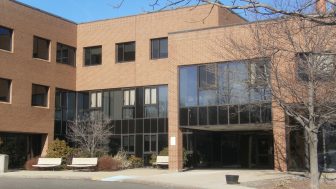
The Quincy Center, A Program of Arbour Hospital
460 Quincy Avenue Quincy, MA 02169
 Sponsored
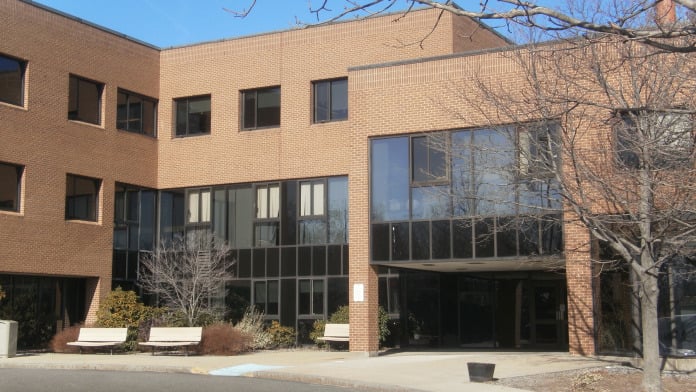
About The Quincy Center, A Program of Arbour Hospital
The Quincy Center, a program of Arbour Hospital in Quincy, Massachusetts is an addiction treatment center and behavioral health facility dedicated to helping adults find recovery from substance use disorders. Services include inpatient treatment, as well as Branches Outpatient programs like partial hospitalization or PHP and intensive outpatient programs. The Quincy Center’s mission is grounded in evidence based, trauma informed care with full integration of mental health, substance use treatment, and medication management for comprehensive healing.
Addiction Treatment Programs at The Quincy Center
Treatment typically begins with an assessment to determine whether inpatient care is needed, especially in cases of co-occurring mental health and substance use issues. From there, clients may engage in a full inpatient program for psychiatric stabilization or transition into outpatient options such as PHP or IOP, depending on their clinical needs and readiness.
Within these levels of care, clients participate in individual, group, and family therapy; daily routines include therapeutic and educational groups, goal setting, psychosocial support, physical activity, and structured daily living. Relapse prevention and dual diagnosis treatment are built in, ensuring that treatment addresses both substance abuse and underlying mental health conditions.
Quick Facts About The Quincy Center’s Substance Use Services
- Location: Quincy Avenue in Quincy, Massachusetts, part of Greater Boston and accessible within the local community
- Programs offered: Inpatient care, Partial Hospitalization Program (PHP), Intensive Outpatient Program (IOP), and outpatient counseling services
- Who they treat: Adults aged 18 and older, including those with co-occurring mental health and substance use disorders
- Treatment approach: Evidence-based practices including individual, group, family therapy, medication management, trauma-informed care, and dual diagnosis support
- Payment options: Accepts major insurance plans including Medicare and Medicaid, plus assistance with verifying coverage and financial aid
- Physical setting and amenities: Inpatient stays involve daily meals and snacks, hygiene care, structured therapeutic and educational groups, outdoor time, socialization, and supportive routines
- Aftercare and community reintegration: Programs emphasize step-down care via outpatient options and relapse prevention to support continued recovery after higher-intensity treatment
How to Begin Treatment at Quincy Center
If you are seeking substance use treatment at The Quincy Center in Quincy, Massachusetts, you begin with an intake assessment where clinical staff evaluate your medical, psychiatric, and substance use needs. The intake or admissions team will also explain the range of treatment levels, from inpatient through PHP and IOP, and help you understand what payment or insurance options may apply in your case.
Amenities
Private Rehab
Private drug rehab provides a comfortable, secure environment that allows you to focus on doing the work to ge...t your life back on track. Benefits include a higher staff-to-client ratio, increased one-on-one time with therapists and healthcare providers, private rooms for clients, and customized forms of therapy.
Residential Setting
Residential drug rehab provides the comforts of home with the therapeutic support needed to successfully recov...er. Benefits of an inpatient program include increased safety, a higher success rate, and the time and distance given to focus on recovery. Residential drug rehabs are often the preferred method of treatment, as they can be tailored to meet specific needs, offer focused therapeutic care, and provide the necessary tools to sustain recovery.
Yoga Studio
Treatment centers with a yoga studio offer a special form of holistic therapy during the recovery process. Yog...a boosts mindfulness, a sense of calm, and healthy reflection during drug rehab via breathing exercises, stretching, and a progression of specific postures.Addiction Treatment Programs
Adult Program
Each adult program in Massachusetts is designed to help individuals over the age of 18 recover from addiction to drugs or alcohol. The length of the program and its intensity varies, based on the needs of the individual.Alcoholism
Most alcohol rehab in Massachusetts consists of individual counseling and group therapy sessions, which address mental and emotional concerns that are contributing to alcohol use. Treatment helps participants make changes to maintain sobriety and prevent relapse.Opioid Treatment
When you enter opioid rehab in Massachusetts, you’ll receive treatment in a supportive environment that encourages recovery. After successful withdrawal management, you’ll participate in a variety of evidence-based therapies that prepare you for long-term sobriety.Cognitive Behavioral Therapy (CBT)
Cognitive behavioral therapy in Massachusetts is a hands-on method that engages participants in changing their thought and behavior patterns. Rather than a talk-listen approach, individuals are actively involved in working with their therapist to treat their addiction.Drug Rehab
Addiction is a highly complex problem, and drug rehab in Massachusetts is often necessary to address it. These programs treat physical, mental, and relational issues that are involved. Treatment empowers individuals to manage these issues without the use of drugs.LGBTQ Friendly Rehab
LGBTQ-friendly rehab in Massachusetts offers programs targeted to the unique experiences within this diverse community. Staff specialists understand that an environment promoting acceptance makes it easier for people to open up and focus on healing.Levels of Care
Inpatient Rehab
As the most intensive treatment setting, inpatient drug rehab in Massachusetts treatment involves 24/7 supervi...sed care. At this level of care, you typically participate in individual, group, and family therapy sessions, and you may receive medication and additional recreational therapies.Detox & MAT
The first step to a drug-free future is detox. This involves slowly and safely ridding your body of all addict...ive substances, under 24/7 supervision. This is typically the initial phase of drug rehab in Massachusetts.Outpatient Rehab
Massachusetts outpatient rehab does not have a defined timeline. The program is tailored to meet your recovery... needs, and may last 90 days or a year or more. During this time, you will attend therapy sessions and support group meetings, for ongoing accountability and development of sober-living skills.Dual Diagnosis & Mental Health
If you meet the diagnostic criteria for two or more conditions, you have a dual diagnosis. Massachusetts dual ...diagnosis treatment is designed to address both conditions simultaneously, for improved recovery outcomes.Partial Hospitalization Program (PHP)
Partial hospitalization programs (PHPs) in Massachusetts provide many of the same treatment services as an inp...atient program, but you don’t have to stay overnight. PHPs often provide a bridge between inpatient and outpatient treatment.Intensive Outpatient Program (IOP)
Aftercare & Alumni Program
Aftercare rehab in Massachusetts gives you continued access to support after rehab. You may need assistance wi...th job coaching, budgeting, education, or accountability as you re-enter your life. Aftercare programs provide these supports, so you can face challenges and maintain a sober lifestyle long-term.Sober Living
In Massachusetts sober living, you will take on more responsibility than rehab treatment requires. You’ll pa...y rent and work or attend school. You’ll also contribute to household chores. The goal is to learn how to live independently, free from drugs and alcohol.Drug & Alcohol Intervention
You don’t have to be an expert on interventions to help an addicted loved one. Staff members offer intervent...ion services in Massachusetts, providing support when planning and facilitating an intervention, connecting you with community resources, and helping with the development of your loved one's treatment plan.Accreditations

Joint Commission
Insurance
 Financial Aid
If you're struggling to pay for treatment, financial aid may be a solution for you. This can provide access to... all levels of care. Financial assistance options include grants, scholarships, non-profit programs, personal funding, and health insurance programs to help you manage the expense of substance abuse treatment.
 Medicaid Accepted
If you're in need of financial assistance, MassHealth may be an option for you. MassHealth can help pay for al...l levels of care, including detox and inpatient rehabilitation.
 Medicare Accepted
As a resident of Massachusetts with MassHealth Senior Care Options, you may have coverage options to help with... the cost of treatment. The amount of coverage will depend on many things, including whether you are seeking inpatient or outpatient treatment for substance abuse.
 TRICARE
Administered by the Department of Defense, TRICARE offers comprehensive military health insurance plans for ac...tive and retired military members and their families. Similar to PPO programs offered by private insurance companies, TRICARE covers multiple levels of care for addiction treatment, including detox, inpatient rehab, and outpatient services.
 Private Insurance
If you have private insurance, you can use it to help cover the cost of treatment. Most rehab insurance polici...es tend to have different coverage rates and costs that policyholders are responsible for paying, so check with your insurer for detailed information.
 Self-Pay Options
If you prefer to take control of the cost of your treatment, you can opt to pay for it yourself through self-p...ay options, also known as private pay. This option provides access to all levels of care — from detox to inpatient rehabilitation — because you’re not limited by the rules of insurers or state-run programs.
 Sliding Scale Payment
If you can't pay the full cost of treatment, a sliding scale payment plan may be a solution for you. This opti...on provides access to all levels of care. To qualify for this treatment discount, you must complete an application and provide supporting financial documentation.Contact The Quincy Center, A Program of Arbour Hospital


 Sponsored