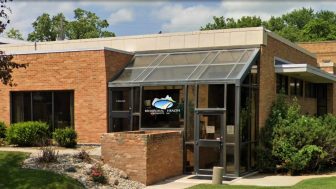
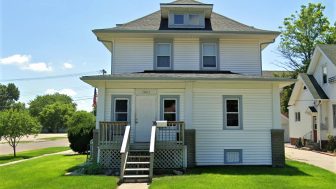
The Link Halfway House
1001 W Norfolk Ave
Norfolk, NE 68701
 Sponsored
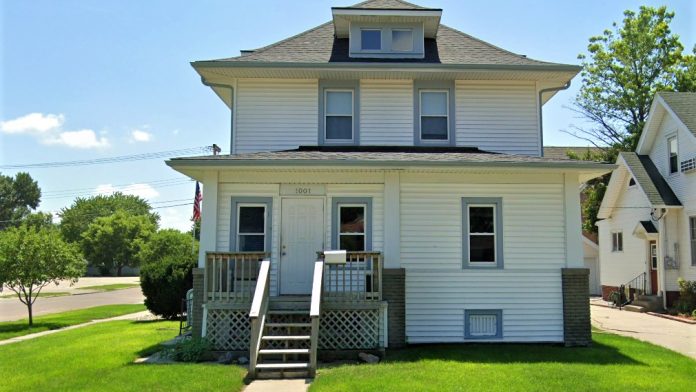
About The Link Halfway House
The Link Halfway House is in Norfolk, Nebraska and provides a safe, substance free residence for men recovering from addiction. They can also support those with co occurring mental health disorders.
Halfway house services are generally not covered by health insurance. However, it’s common to be in outpatient treatment while living in recovery housing, and that treatment is likely to be covered by insurance.
Recovery Living for Men in Norfolk
The Link stands out because the program is so robust. They connect residents to individual and group counseling as well as therapy addressing specific topics like grief and family issues.
They also provide classes to help men develop social skills, financial plans and budgets. The Link also facilitates anger resolution and relapse prevention planning. Sober living is an opportunity to refine your relapse prevention approaches as you encounter unexpected challenges and uncover new triggers in day to day life.
The house also provides recreational activities and connects you with 12 step and other recovery support groups based on your specific needs.
Taking Advantage of Community Resources
I noticed that there is a long list of community programs that The Link connects residents to for additional support. They can help you enroll in job services, vocational rehab or community college.
The Link’s team also helps you sign up for social services that you qualify for. They can link you to the state Department of Health and Human Services and Social Security services.
I think it’s excellent that they also take residents to the YMCA and introduce them to other local organizations, depending on what they need.
Amenities
Private drug rehab provides a comfortable, secure environment that allows you to focus on doing the work to get your life back on track. Benefits include a higher staff-to-client ratio, increased one-on-one time with therapists and healthcare providers, private rooms for clients, and customized forms of therapy.
Residential drug rehab provides the comforts of home with the therapeutic support needed to successfully recover. Benefits of an inpatient program include increased safety, a higher success rate, and the time and distance given to focus on recovery. Residential drug rehabs are often the preferred method of treatment, as they can be tailored to meet specific needs, offer focused therapeutic care, and provide the necessary tools to sustain recovery.
Recreational therapy uniquely combines therapeutic interventions with an activity, like horse-riding, hiking, wilderness therapy, basketball, tennis, or a full workout. Benefits of recreational therapy include providing a healthy way to work through the emotions of recovery, learning to build and maintain relationships, improving communication skills, and building self-esteem.
In order to maintain a sense of autonomy, many private rehab facilities offer clients the ability to choose their own private rooms. The privacy and personal space ensure that the recovery process is as comfortable as possible.
Wilderness rehab programs offer all the benefits of a traditional drug rehab, but with the added benefits of outdoor adventure. Venture out into the forest to learn new skills, explore the beauty of nature, and relieve stress. Engaging in wilderness activities is a great way to gain self-discovery and release negative emotions.
When used as part of an evidence-based treatment plan, basketball can boost physical and mental health, lead to sharper thinking, and facilitate improved self-esteem. Drug rehabs with a basketball court also place a focus on teamwork and cooperation.
Addiction Treatment Programs
The young-adult stage of life involves education, career, and starting a family. Individuals who struggle with addiction often feel treatment is not an option during this phase. A young adult program in Nebraska helps young people overcome barriers to treatment and get the help they need.
Each adult program in Nebraska meets individuals where they are on their recovery journey. Using various treatment methods, the programs help people change patterns of substance abuse and break free from addiction.
When you participate in alcohol rehab in Nebraska, you learn skills necessary to rebuild your life. Through individual, group, and behavioral therapy, you can restructure your brain and learn new ways of thinking and being. The result is recovery.
Many accredited facilities offer men’s rehab in Nebraska. These programs offer supportive services, specifically designed for men, to help individuals achieve addiction recovery.
During opioid rehab in Nebraska, participants typically engage in detox, behavioral therapy, and aftercare support programs. Therapy provides opportunities to work through challenges that contribute to addiction and engage in mutual support with other recovering individuals.
During drug rehab in Nebraska, you’ll participate in therapies that address the many issues that contribute to addiction. Treatment includes physical, mental, emotional, and relational aspects. These methods provide the tools you need to achieve long-term recovery.
Levels of Care
Outpatient rehab in Nebraska provides individual and group therapy on-site for a few hours each week, but allows you to live at home when not in treatment. Your outpatient treatment may last for a few weeks to more than a year, based on your recovery needs.
During dual diagnosis treatment in Nebraska, you’ll receive separate but integrated care from experts who specialize in either mental health or substance abuse disorders. This approach effectively addresses co-occurring disorders such as anxiety and depression.
Aftercare rehab in Nebraska can last for more than a year after initial rehab treatment. This program gives you confidence to maintain sobriety as you face life challenges. You’ll receive support to overcome hurdles and prevent relapse.
Inpatient rehab in Nebraska, also called residential treatment, involves living at the treatment facility to receive 24/7 care. Treatment at this level usually includes individual, group, and recreational therapy, medication, and nutritional counseling.
Sober living in Nebraska is for people who are serious about their recovery. They are willing to be held accountable and offer support to their housemates, who are also in recovery. Their goal is to strengthen their recovery skills to eventually move to an independent lifestyle.
Intervention services are an integral part of drug rehab in Nebraska. These treatment services provide valuable support to family members for intervention facilitation and development of a treatment plan.
Accreditations
Contact Information


 Sponsored