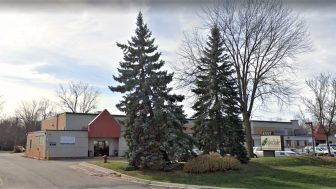
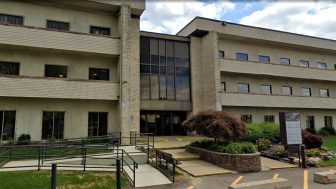
The Doorway to Recovery
37522 Palmer Rd
Westland, MI 48186
 Sponsored
About The Doorway to Recovery
The Doorway to Recovery's Palmer House is a men's sober living home in Westland, Michigan. They provide transitional housing for individuals bridging the gap between rehab and independent living.
I like their eclectic services. The program combines structured peer support, recovery coaching and counseling in a fully furnished residential setting.
Their faith based approach stands out to me, with 12 step meetings and a Work Search program.
Who can live at Palmer House?
Palmer House serves men who are actively working an addiction recovery program. The Doorway to Recovery network also operates separate residences for women at other Michigan locations.
What does it cost?
Recovery housing is private pay only, with monthly rent of $455 plus a $100 intake fee.
Therapy services offered through the program may be eligible for insurance coverage and major credit cards and PayPal are accepted.
What services does Palmer House offer?
Palmer House provides sober living with structured residential recovery support, peer accountability and access to therapeutic counseling and certified addiction counseling.
The program includes AA, NA and Celebrate Recovery meetings held in the home, plus a Life Recovery Program and career skills development through the Work Search program.
Where is Palmer House located?
Palmer House is in Westland, just blocks from Canton in the Westland Canton Corridor, with SMART Bus public transportation within walking distance.
Amenities
In order to maintain a sense of autonomy, many private rehab facilities offer clients the ability to choose their own private rooms. The privacy and personal space ensure that the recovery process is as comfortable as possible.
Some rehab programs offer free Wi-Fi to guests who have full access to their smartphone devices or laptop computers during treatment. While access to these devices may be allowed, the time spent using them is often regulated or restricted so clients can focus on treatment.
Addiction Treatment Programs
The backbone of most alcohol rehab in Michigan is a combination of individual and group therapy methods. Through these sessions, individuals learn how to address issues contributing to addiction and develop healthy lifestyle habits.
Drug rehab in Michigan typically involves several phases. Individuals start with assessment, then move through the stages of detox, rehab, and aftercare. These programs can last for one week to one year.
Levels of Care
Outpatient rehab in Michigan is tailored to each person’s recovery journey. This treatment usually involves several hours of therapy sessions each week, along with attendance at support group meetings. However, the timeline varies from a few weeks, to months, to years, based on your needs.
Acting as a bridge between rehab and the rest of your life, sober living in Michigan can be very beneficial. This drug-free residential setting provides structure and teaches responsibility. You’ll receive peer support and strengthen skills you learned in rehab. Once you feel ready to live on your own, you can transition from sober living to independent housing.
Inpatient drug rehab in Michigan offers multiple forms of evidence-based treatments and complementary therapies you must particiapte in while living at the facility. Some inpatient rehabs offer nutritional counseling, recreational therapy opportunities, and meditation classes.
When you enter drug rehab in Michigan, you’ll start with detox. This process includes round-the-clock supervision and medical care, to slowly and safely remove toxins from your system. It may include the use of medications to ease withdrawal.
Intervention services in Michigan are often key to starting the recovery process. Intervention specialists provide support to encourage your loved one to get the help they need, provide access to educational and comjunity resources, and offer assistance with developing intervention and treatment plans.
Contact Information


 Sponsored