TheraCare Rehab – Canton
 Sponsored
About TheraCare Rehab – Canton
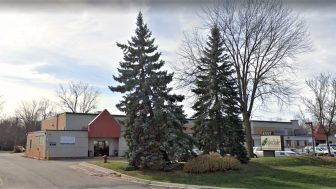
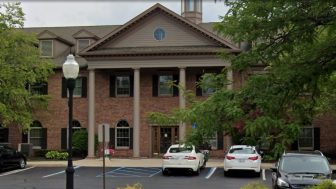
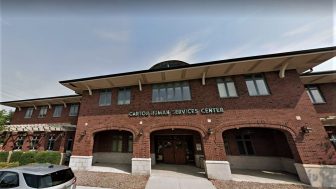
TheraCare Rehab is a physical therapy outpatient facility where you can receive treatment for pain in your neck and shoulder, back, hip and legs. The facility is in Canton, Michigan, which is a rapidly growing township in Western Wayne County. Located between Detroit and Ann Arbor, it's known for high safety ratings, top rated schools and being home to Michigan's only IKEA.
Addressing Pain without Medication
The private practice does not offer mental health or substance abuse treatment. However, I like that it does serve a very unique need in helping to address problems with pain without medication. This protects against the risk of relapse for individuals who are in recovery.
After a consultation with your physician to determine the type of care needed and most appropriate to address your needs, they stay in contact with your physician throughout the treatment program to ensure you are meeting your goals and experiencing a reduction in pain without using pain medication. It’s good to know that based on the initial evaluation and consistent reevaluations to check improvement, your therapist will determine the length of your program.
Variety of Modalities Address Various Reasons for Pain
They offer a variety of treatments to address tendonitis, muscle strains, arthritis, nerve impingement and pain that results from an auto injury. They address chronic pain that has been present for months or years and acute pain from a recent injury or arthritic flare-up. In addition to addressing pain situations, they improve weakness or instability in the joints, giving you greater mobility.
We like that they work with many of the regional health insurance providers and also accept Medicare, Medicaid and TRICARE. They'll work with no fault auto insurances, workman's compensation insurance providers and attorneys involved in slip and fall accidents. If you choose to pay in cash, financing options are available.
Addiction Treatment Programs
No single adult program in Michigan is right for everyone. That’s why each program is tailored to meet the needs of the individual. Common aspects to an adult rehab program include individual counseling, group therapy, and aftercare support.
The backbone of most alcohol rehab in Michigan is a combination of individual and group therapy methods. Through these sessions, individuals learn how to address issues contributing to addiction and develop healthy lifestyle habits.
During men’s rehab in Michigan, individuals spend a significant amount of time in therapy. This gender-specific treatment gives men the tools they need to cope with stress and live without drugs and alcohol.
Women’s rehab in Michigan offers a full continuum of care for women seeking treatment for addiction. Programs range from intensive inpatient care to aftercare services.
Drug rehab in Michigan typically involves several phases. Individuals start with assessment, then move through the stages of detox, rehab, and aftercare. These programs can last for one week to one year.
Levels of Care
Outpatient rehab in Michigan is tailored to each person’s recovery journey. This treatment usually involves several hours of therapy sessions each week, along with attendance at support group meetings. However, the timeline varies from a few weeks, to months, to years, based on your needs.
Inpatient drug rehab in Michigan offers multiple forms of evidence-based treatments and complementary therapies you must particiapte in while living at the facility. Some inpatient rehabs offer nutritional counseling, recreational therapy opportunities, and meditation classes.
When you enter drug rehab in Michigan, you’ll start with detox. This process includes round-the-clock supervision and medical care, to slowly and safely remove toxins from your system. It may include the use of medications to ease withdrawal.
Intervention services in Michigan are often key to starting the recovery process. Intervention specialists provide support to encourage your loved one to get the help they need, provide access to educational and comjunity resources, and offer assistance with developing intervention and treatment plans.
Contact Information


 Sponsored
Gayle Morris BSN, MSN, grew up in a small town in Illinois. At 14, she announced she would become a writer when she “grew up.” Today she has been a freelance writer for over 15 years, producing health, wellness, fitness, and mental health content to help people live their best lives. She founded Indiana’s first conference for schoolteachers focusing on the medical needs of children with special needs. She loves her dogs and guinea pigs, gardening, and reading crime and spy novels.
Peter W.Y. Lee is a historian specializing in American Cold War history. He has published widely on youth culture and the social impact of popular culture throughout the twentieth century and how the public has approached culture as a means of coping with the challenges that accompany changing times.
Rehabs.org regularly reviews this listing for accuracy but changes may occur between updates. For the most up-to-date information, please contact TheraCare Rehab – Canton.