Capuchin Soup Kitchen Jefferson House
8311 East Jefferson Avenue
Detroit, MI 48214
 Sponsored
About Capuchin Soup Kitchen Jefferson House
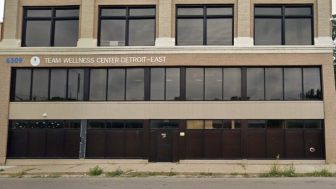
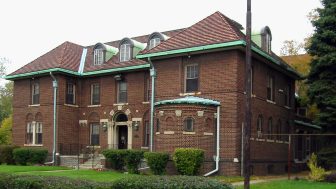
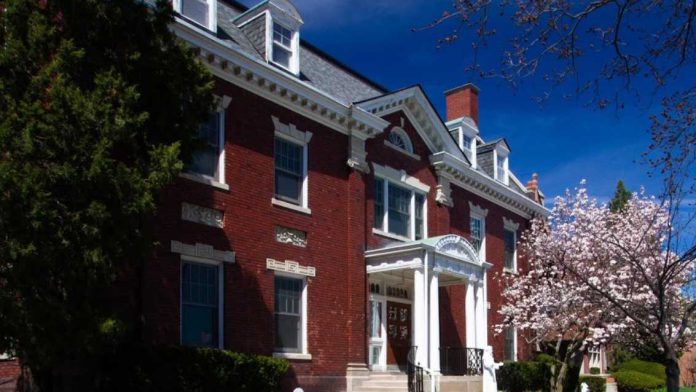
Tucked into Detroit’s east side near the Islandview neighborhood, Capuchin Soup Kitchen’s Jefferson House is more than just a treatment center. It’s a 12-bed residential recovery home that’s been helping men fight addiction and rebuild their lives since 1976. Set along East Jefferson Street and surrounded by a tight-knit urban community, this program is part of the broader Capuchin Soup Kitchen mission rooted in compassion, dignity and spiritual renewal.
Serving the Underserved
The house operates as a therapeutic community where men stay for 6 to 9 months, learning how to live sober lives with honesty, structure and integrity. They attend 12-step meetings, earn small stipends for on-site work and reconnect with their purpose one day at a time.
I’m moved by Jefferson House and its commitment to helping those who are often left behind. Treatment is not dependent on insurance or significant funds.
It is completely free for indigent men referred from local inpatient facilities. For nearly 50 years, they have quietly and consistently offered long-term support, without judgment, when it’s needed most.
Accredited Care
Jefferson House is CARF-accredited—and not just barely. I’m impressed to learn the facility has earned top-tier recognition with zero recommendations for improvement in its most recent review. The program helps to bridge the transition from inpatient care to sustained recovery in a residential setting.
Community Connections
Another thing I find powerful about Jefferson House is the way recovery is integrated into the community. Residents don’t just sit in therapy. They work, serve meals and help out at other Capuchin locations.
It’s a mutual exchange of healing and service that can foster self-worth and confidence. Admissions are based on available beds and interested individuals should call directly for an interview.
Amenities
Music can be extremely therapeutic, serving as a valuable healing tool and an integrative feature of a holistic treatment plan. A music room offers a large number of outlets, including singing, playing musical instruments, and listening to music.
Residential drug rehab provides the comforts of home with the therapeutic support needed to successfully recover. Benefits of an inpatient program include increased safety, a higher success rate, and the time and distance given to focus on recovery. Residential drug rehabs are often the preferred method of treatment, as they can be tailored to meet specific needs, offer focused therapeutic care, and provide the necessary tools to sustain recovery.
Art and music are mediums that connect with our feelings, making them a great recovery tool during addiction treatment. Studies show that combining art/music and drug rehab can have a greater therapeutic impact than drug rehab alone, as you’re able to access parts of your brain and body that you may not have access to during traditional talk therapy. Benefits of art/music therapy include lowering stress and anxiety, promoting healthy neurochemicals, and providing stress relief.
In order to maintain a sense of autonomy, many private rehab facilities offer clients the ability to choose their own private rooms. The privacy and personal space ensure that the recovery process is as comfortable as possible.
Addiction Treatment Programs
During men’s rehab in Michigan, individuals spend a significant amount of time in therapy. This gender-specific treatment gives men the tools they need to cope with stress and live without drugs and alcohol.
No single adult program in Michigan is right for everyone. That’s why each program is tailored to meet the needs of the individual. Common aspects to an adult rehab program include individual counseling, group therapy, and aftercare support.
A young adult program in Michigan specializes in treatment tailored to individuals in this stage of life who are suffering from substance use disorder. Treatment addresses addiction and the challenges related to young-adult life.
Each opioid rehab in Michigan is unique, but most consist of several key steps: admission, detox, addiction therapy, specialized care, and aftercare. Professional staff evaluate each person’s needs to recommend treatment duration and specific therapies.
During cognitive behavioral therapy in Michigan, participants do more than talk with their therapists. This is an engaging, hands-on approach that requires active participation. Individuals work with their therapist to change their thought and behavior patterns to overcome addiction.
Through rational emotive behavioral therapy in Michigan, participants identify unhealthy beliefs and replace them with healthy ones. This relieves emotional distress and frees the person to move forward with better decision-making for their recovery journey.
The backbone of most alcohol rehab in Michigan is a combination of individual and group therapy methods. Through these sessions, individuals learn how to address issues contributing to addiction and develop healthy lifestyle habits.
Drug rehab in Michigan typically involves several phases. Individuals start with assessment, then move through the stages of detox, rehab, and aftercare. These programs can last for one week to one year.
Levels of Care
A dual diagnosis treatment center in Michigan allows you to get treatment for substance abuse and mental health disorders at the same time. This is critical, because untreated mental health disorders often lead to relapse and poor recovery outcomes.
Acting as a bridge between rehab and the rest of your life, sober living in Michigan can be very beneficial. This drug-free residential setting provides structure and teaches responsibility. You’ll receive peer support and strengthen skills you learned in rehab. Once you feel ready to live on your own, you can transition from sober living to independent housing.
Inpatient drug rehab in Michigan offers multiple forms of evidence-based treatments and complementary therapies you must particiapte in while living at the facility. Some inpatient rehabs offer nutritional counseling, recreational therapy opportunities, and meditation classes.
Aftercare rehab in Michigan helps you overcome hurdles after completing an addiction treatment program. You can receive assistance with finding a job, navigating legal issues, getting education, or plugging into a support group. These aftercare services unlock resources to help you continue to live a sober life.
Intervention services in Michigan are often key to starting the recovery process. Intervention specialists provide support to encourage your loved one to get the help they need, provide access to educational and comjunity resources, and offer assistance with developing intervention and treatment plans.
Accreditations
Contact Information


 Sponsored