
Adult and Teen Challenge — Seattle Metro Campus
 Sponsored
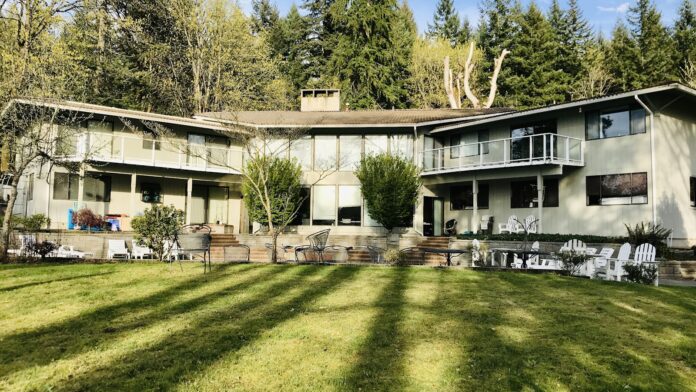
About Adult and Teen Challenge — Seattle Metro Campus
Adult and Teen Challenge Seattle Metro Campus is a faith-based drug and alcohol rehab in Renton, Washington, providing long-term residential recovery for adult men.
Located about 20 miles southeast of downtown Seattle, this nonprofit program offers a one-year Christ centered continuum that blends addiction recovery with discipleship.
I've learned that the campus emphasizes spiritual growth, vocational training and life-skills development to support lasting transformation.
Faith Based Addiction Recovery Programs at Seattle Metro Campus
The core level of care is a long-term residential program designed for adult men age 18 and older facing drug, alcohol and other life controlling challenges.
Care begins with an assessment and treatment planning, followed by a structured one-year stay in a small community of about 20 students.
Clients can expect substance abuse education, CBT, goal setting, trigger prevention and case management alongside Bible study, prayer and spiritual retreats.
Vocational training, healthy lifestyle coaching, outreach activities, and transition planning, I've learned, help students rebuild daily purpose and prepare for life after graduation.
Quick Facts About Seattle Metro Campus
- Location: Renton, Washington, near Lake Youngs in a suburban to rural setting
- Level of care: Long-term residential recovery and discipleship program
- Who they treat: Adult men age 18 and older with substance use and life-controlling issues
- Approach: Christ-centered curriculum, CBT, vocational training and behavioral health support
- Payment options: Private pay with a $500 intake fee; committed to helping regardless of financial resources
- Setting: Small residential community of about 20 students focused on accountability and peer support
Addiction Treatment Programs
Drug Rehab
Effective drug rehab in Washington integrates care for the whole person, offering comprehensive solutions to addiction. Treatment methods address mental, physical, and relational aspects of substance abuse.Levels of Care
Inpatient Rehab
Inpatient alcohol and drug rehab in Washington offers the most intensive level of care for those who need 24/7... clincial supervision. You will live at the facility for four to 12 weeks, and receive treatment such as individual and group therapy, medication, and recreational therapies.Insurance
 Medicaid Accepted
If you're eligible, Washington Apple Health could cover the cost of alcohol and drug rehab in Washington. Cove...rage through Washington’s Medicaid program may vary, but it can assist with the cost of detox, inpatient rehab, and more.
 Medicare Accepted
If you're enrolled in Medicare, you may have coverage options for alcohol and drug rehab in Washington. The am...ount of coverage will depend on many things, including whether you are seeking inpatient or outpatient treatment for substance abuse.Contact Adult and Teen Challenge — Seattle Metro Campus


 Sponsored
Maygen Brockway, MTC, has more than 10 years of editing and writing experience. She’s written for the medical, wedding, fashion, and technical industries. She’s a poetry lover, coffee and whiskey drinker, social butterfly, and mom who lives in scenic Southern Utah. She has a Master’s in Technical Communication and loves writing.
Rehabs.org regularly reviews this listing for accuracy but changes may occur between updates. For the most up-to-date information, please contact Adult and Teen Challenge — Seattle Metro Campus.
Location Details
Nearby Treatment Centers
707 S Grady Way
#600
Renton, WA 98057

21115 92th Avenue Southeast
Graham, WA 98338
2000 Benson Road South
Suite 250
Renton, WA 98055
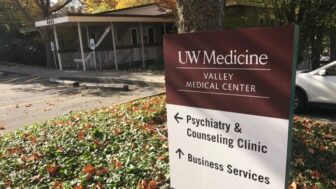
4445 Talbot Road South, Renton, WA 98055
FAQs
What type of recovery program does Adult and Teen Challenge Seattle Metro offer?
Adult and Teen Challenge Seattle Metro Campus in Renton is a long-term, residential faith-based recovery program for men struggling with drug and alcohol addiction and other life-controlling issues. The program emphasizes Christian discipleship, spiritual growth, life skills development, and structured community-based support through mentoring and group activities.
How long is the residential recovery program at Seattle Metro Campus?
Adult and Teen Challenge Seattle Metro offers a long-term residential program designed to provide sustained recovery support rather than short-term detoxification. The program includes multiple phases structured to help participants build a foundation for lasting recovery, with ongoing aftercare and alumni support available after graduation.
What is included in the intake process to start the program?
The intake process begins by completing an online intake form on the Adult and Teen Challenge website. After submission, the facility’s team contacts the applicant to discuss the program, eligibility, and next steps. Interested individuals can also call the Seattle Metro Campus directly at (425) 228-2117 to speak with staff about enrollment.
Does Adult and Teen Challenge serve only men or both genders?
The Seattle Metro Campus in Renton, Washington is a residential recovery program specifically for men. Adult and Teen Challenge PacWest operates separate locations for men and women across its region, so individuals should contact the facility to confirm whether other gender-specific locations are available.
What therapeutic approaches are used in the Seattle Metro recovery program?
The Seattle Metro Campus uses Christian discipleship as its foundation, combined with individual and group mentoring, life skills training, and spiritual development classes. The program addresses recovery holistically, targeting spiritual, mental, emotional, and physical dimensions through structured daily activities and community-based support.
What happens after someone completes the residential program?
Adult and Teen Challenge Seattle Metro provides aftercare and an alumni program to support graduates transitioning back into the community. The facility offers continued support and resources to help former participants maintain their recovery and rebuild their lives after completing the long-term residential phase.
