
Teen Challenge Adventure Ranch
19778 Boys Home Road
WC431
Morrow, AR 72749
 Sponsored
 Featured Facility
About Teen Challenge Adventure Ranch
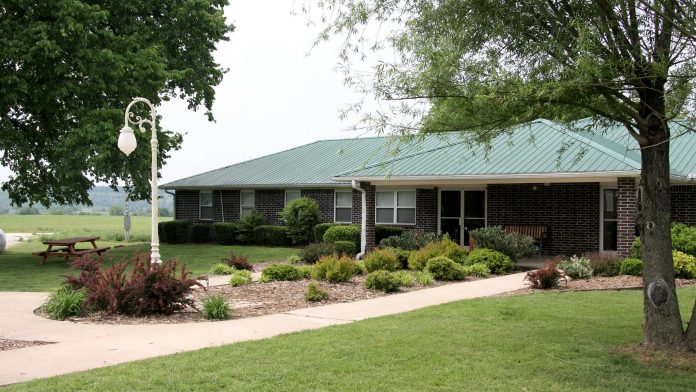
Teen Challenge Adventure Ranch is a dual diagnosis treatment center in Morrow, Arkansas, offering a full continuum of mental health services for male teens aged 14 to 17 ½ . Offering a year round faith based, inpatient treatment program, combined with challenging adventures on a ranch in Arkansas.
Working exclusively with adolescents experiencing behavioral, motivation, and other challenges using a faith based model of care. Promoting personal recovery, family restoration, and spiritual renewal, counselors at Teen Challenge Adventure Rock help teens recover and get back on track on a sprawling 31 acre ranch in the Ozarks of northwestern Arkansas. Amenities include CrossFit, wilderness therapy, camping, swimming, rock climbing, ziplining, basketball court, equine therapy, games rooms, and more.
Teen Challenge Adventure Ranch is licensed by the Arkansas Department of Human Services, and accredited by Cognia, Teen Challenge International, and the Commission on Accreditation of Rehabilitation Facilities (CARF) reflecting high quality healthcare. Private pay accepted and financing options available.
Amenities
When used as part of an evidence-based treatment plan, basketball can boost physical and mental health, lead to sharper thinking, and facilitate improved self-esteem. Drug rehabs with a basketball court also place a focus on teamwork and cooperation.
When paired with cognitive-behavioral therapy, exercise can be an effective tool for overcoming addiction. Drug rehabs with a gym offer clients healthy ways to increase energy levels, balance the body’s stress hormone levels, and aid in the brain’s healing process.
Addiction treatment programs provide an opportunity to get your life back on track with access to school classes or college courses. Whether you want to finish your GED or go back to school to learn a new trade, facilities often enlist tutors and teachers who are certified or licensed by the state to oversee self-study or distance-learning education.
Some rehab programs offer free Wi-Fi to guests who have full access to their smartphone devices or laptop computers during treatment. While access to these devices may be allowed, the time spent using them is often regulated or restricted so clients can focus on treatment.
Residential drug rehab provides the comforts of home with the therapeutic support needed to successfully recover. Benefits of an inpatient program include increased safety, a higher success rate, and the time and distance given to focus on recovery. Residential drug rehabs are often the preferred method of treatment, as they can be tailored to meet specific needs, offer focused therapeutic care, and provide the necessary tools to sustain recovery.
There’s nothing more distressing than leaving pets at home when leaving for for rehab. That’s why many addiction treatment programs are now pet friendly, allowing you to bring pets with you while attending a residential drug rehab program. These tailored addiction treatment programs provide a private room that has space to comfortably support you and your beloved furry companion.
Hiking is a great way to relieve stress, get perspective, navigate challenges, connect with nature, and improve your health - all essential components of sustaining long-term recovery. Studies also show that the body releases endorphins during physical activities like hiking. These endorphins improve mood and act as a natural pain reliever.
Rehabs that offer mountain views provide beautiful spaces for clients to explore, de-stress, and take part in outdoor or wilderness therapy programs. The mountain surroundings can be a great help to the recovery process, as sobriety may be better achieved while surrounded by a serene setting in nature.
In order to maintain a sense of autonomy, many private rehab facilities offer clients the ability to choose their own private rooms. The privacy and personal space ensure that the recovery process is as comfortable as possible.
Recreational therapy uniquely combines therapeutic interventions with an activity, like horse-riding, hiking, wilderness therapy, basketball, tennis, or a full workout. Benefits of recreational therapy include providing a healthy way to work through the emotions of recovery, learning to build and maintain relationships, improving communication skills, and building self-esteem.
Wilderness rehab programs offer all the benefits of a traditional drug rehab, but with the added benefits of outdoor adventure. Venture out into the forest to learn new skills, explore the beauty of nature, and relieve stress. Engaging in wilderness activities is a great way to gain self-discovery and release negative emotions.
Addiction Treatment Programs
Animal & equine therapy are evidence-based complementary therapies drawing on the emotional, psychological, and physiological benefits of regular contact with animals. Addiction recovery programs may incorporate the care of therapy dogs, cats, horses, and other animals into their treatment model to support clients’ development of recovery-focused life skills, including personal responsibility, time management, and empathy. Contact with therapy animals may reduce stress, enhance mood, decrease depression and anxiety, and increase clients’ self-esteem and sense of wellbeing.
Fitness therapy is an evidence-based complementary approach to addiction recovery and mental health care. Based on mounting scientific evidence of the benefits of physical activity in improving mood, enhancing clients’ sense of wellbeing, and decreasing depression and anxiety, fitness therapy encompasses a wide spectrum of intensities, from gentle yoga, qigong, and tai chi to weight training, kickboxing, and other highly physical activities.
EMDR Therapy is a neurobiological treatment modality used to address trauma disorders and related mental and behavioral health challenges. Short for eye movement desensitization and reprocessing, EMDR is designed to help clients cope with distressing memories and emotions, including fear, sadness, and anger. EMDR may help clients in addiction recovery manage the psychological and emotional triggers that contribute to substance misuse and/or addiction relapse.
Rational emotive behavioral therapy in Arkansas follows an ABC model to help individuals reframe irrational beliefs to help overcome addiction. The process includes A – activating event, B – beliefs, and C – consequence.
The goal of drug rehab in Arkansas is to help individuals stop using addictive substances and learn healthy ways to remain clean long-term. Participants learn vital skills to cope with cravings and manage stress, to prevent relapse.
For those whose lives have been derailed by alcohol use disorder, alcohol rehab in Arkansas offers hope. Through individualized treatment, these programs address alcohol dependency and help participants recover and begin living a healthy, sober life.
Often used to treat dual diagnosis disorders, cognitive behavioral therapy in Arkansas addresses disroders like PTSD, ADD, anxiety, OCD, and bipolar disorder, along with substance use disorders. This method helps individuals find connections between their feelings, thoughts, and actions and understand how those things affect their recovery.
Men’s rehab in Arkansas is designed exclusively for males who are struggling with an alcohol or substance use disorder. Because men and women often respond better to different types of treatment, this targeted rehab can be more effective than mixed-gender treatment.
Arkansas residents who are addicted to opioids can find help at an opioid rehab in Arkansas. Opioid addiction is highly treatable with therapy and medication assisted methods. Treatment focuses on both physical and emotional aspects of the addiction.
An effective young adult program in Arkansas gives young people the skills they need to embrace recovery with confidence and the ability to make healthy choices. Treatment focuses on challenges specific to this age group.
Levels of Care
Inpatient rehab in Arkansas is designed primarily for clients exiting detox, people in early recovery, and those at an elevated risk of relapse. Participants reside at the treatment facility until they complete their recovery program, which gives them access to medical providers and therapeutic tools. .
Once you’ve completed your initial rehab treatment, you’ll need additional support to prevent relapse. This is where aftercare rehab in Alaska steps in. Through continued access to counselors, support groups, and assistance with job-finding, education, and finances, you’ll get the support you need to maintain sobriety.
Many people who struggle with addiction also experience co-occurring disorders such as depression or anxiety. Dual diagnosis programs in Arkansas specialize in treating both disorders, which is essential for recovery.
Staff members offer intervention services as a way to help family members plan and facilitate interventions as well as provide resources to develop a treatment plan. They also offer assistance with admission to drug rehab in Arkansas. This professional support can prove invaluable in guiding people toward the help they need.
Accreditations
Contact Information


 Sponsored
Nearby Treatment Centers
1955 Truckers Drive
Fayetteville, AR 72704
86 West Sunbridge Drive
Fayetteville, AR 72703
1100 North College Avenue
Fayetteville, AR 72703

82 W Sunbridge Dr
Fayetteville, AR 72703
