Syracuse Community Health Center
 Sponsored
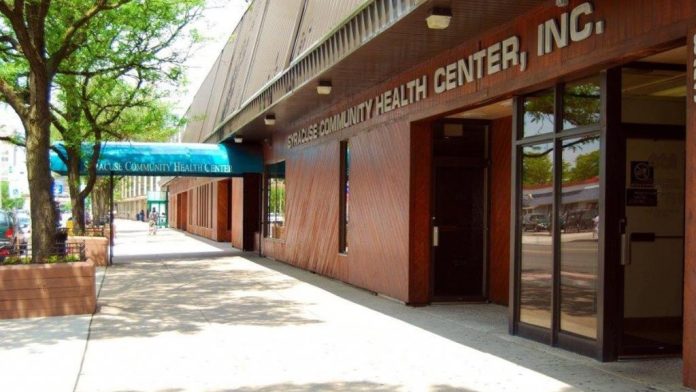
About Syracuse Community Health Center
Syracuse Community Health Center is an outpatient drug and alcohol rehab in Syracuse, New York providing substance use treatment integrated with mental health and primary care services.
I found they are a federally qualified health center and deliver personalized community based care for clients managing addiction and co-occurring conditions.
MAT for Opioid and Alcohol Use Disorders
Care typically begins with an assessment to determine the most appropriate level of support which may include outpatient detoxification, regular outpatient counseling, or intensive outpatient services.
Clients can expect evidence based therapies such as cognitive behavioral therapy and motivational interviewing, contingency management and trauma related counseling, anger management and relapse prevention, and 12 step facilitation.
Medication based treatment with buprenorphine or naltrexone is available for opioid and alcohol use disorders. I believe their telehealth options and dual diagnosis support help make care more accessible for adults, adolescents, men, and women.
Quick Facts About Syracuse Community Health Center
- Levels of care: Outpatient detox, regular outpatient, IOP, medication assisted treatment, and aftercare.
- Who they treat: Adults, adolescents, men, and women with substance use and co-occurring mental health conditions.
- Approach: CBT, motivational interviewing, trauma informed counseling, and 12 step facilitation.
- Payment options: Medicaid, Medicare, private insurance, TRICARE, self-pay, sliding fee scale, and financial assistance.
- Accreditation: Listed as Joint Commission accredited and a federally qualified health center.
- Access: Telehealth services available alongside in-person care.
Addiction Treatment Programs
A quality adult program in New York provides a combination of medical, mental, and emotional support to treat the whole individual. Various methods are used to help adults achieve and maintain sobriety.
To address the full range of issues involved in alcohol use disorder, an alcohol rehab in New York often incorporates a variety of treatment methods. Physical activity, nutrition, psychotherapy, and support groups are common aspects of treatment.
Cognitive behavioral therapy in New York emphasizes how thoughts affect mood. It is a goal-oriented method that teaches participants how to address dysfunctional thoughts and underlying beliefs that can lead to substance abuse and addiction.
Some men benefit most from men’s rehab in New York. These programs understand the unique challenges that men face when struggling with addiction, and they offer personalized treatment to address these challenges.
Rational emotive behavioral therapy in New York is often used to treat substance use disorders as well as a variety of other mental health and behavioral disorders. It focuses on the present, achieving goals, and overcoming hardship.
Men and women face different issues when it comes to addiction and recovery. Women’s rehab in New York offers treatment approaches that address life issues that are specific to women.
While at a young adult program in New York, young people can participate in activities and therapy sessions that cater to their age bracket. They can also form relationships with other young adults for mutual support.
Levels of Care
For those who require accountability but less intensive oversight, outpatient rehab in New York is a good option. During this treatment, you meet regularly with a counselor and attend support group meetings, for accountability and encouragement. This may last for a few weeks or months, based on your recovery journey.
Mental health disorders that co-occur with substance abuse disorders often cause relapse. For successful recovery, both disorders must be treated, with dual diagnosis treatment in New York. Common methods include cognitive-behavioral therapy, medication management, and counseling.
Once rehab is complete, aftercare rehab in New York steps in to prevent relapse. This program gives you access to resources that reduce stress and help you successfully navigate challenges. Studies show that people who take advantage of these resources are more likely to maintain long-term recovery.
Accreditations
Contact Information


 Sponsored
Kimberly Hawkins holds a master’s degree in computing and information sciences from East Tennessee State University. She is a content writer specializing in alcoholism, drug addiction, and co-occurring disorders. Kimberly has been passionate about the subject of addiction since her only sibling passed away due to an accidental overdose. Her other interests include playing the piano, being in tranquil natural environments, and spending time with her adult children.
Rehabs.org regularly reviews this listing for accuracy but changes may occur between updates. For the most up-to-date information, please contact Syracuse Community Health Center.