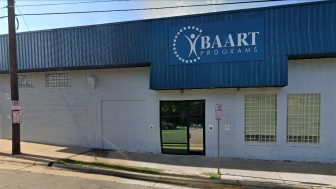
Substance Abuse Treatment and Recidivism Reduction STARR
219 South Mangum Street
Durham, NC 27701
 Sponsored
About Substance Abuse Treatment and Recidivism Reduction STARR
Substance Abuse Treatment and Recidivism Reduction (STARR) is a program in Durham, North Carolina. The intensive treatment provides the necessary methods to help clients overcome substance use and avoid reincarceration for lasting sobriety.
Providing a Second Chance
I found that the outpatient program is sometimes referred to as the second chance level. The service helps adults 18 and older through substance use counseling in individual and group settings.
It balances time in a private setting with a more open environment where guests can share their struggles and unique challenges with others who understand their circumstances. The staff emphasizes increased awareness regarding substance use issues and focuses on relapse prevention methods to prepare clients for life after treatment.
Treatment During Detention
STARR doesn’t wait for guests to leave incarceration. The staff brings treatment to the detention center and provides services that help guests avoid future jail time. They learn vocational training for employment after serving their sentences and receive educational support to further their academic learning.
Many people who are in the judicial system struggle with anger issues and the STARR team includes management to help reduce emotional reactions to stressful situations. They also work on relapse prevention techniques to assist with recognizing substance use triggers after treatment.
One of the standout features I noticed is that the program is culturally competent and addresses past traumas to uncover the potential root causes of addiction issues. They use holistic and traditional methods to help clients break the addiction cycle and work through mental health problems that may contribute to substance abuse.
Amenities
Addiction treatment in the metro area benefits clients by offering seamless connections from the city, around the state, and those seeking out-of-state treatment. Another benefit of attending a metro area drug rehab is that you’re close to major airports and ground transportation services.
Addiction Treatment Programs
An adult program in North Carolina typically combines individual and group counseling, medical treatment, and various other therapies to treat substance use disorders. Treatment can take place in an inpatient or outpatient setting.
Alcohol rehab in North Carolina is a course of treatments that helps participants overcome alcohol dependency. Treatments address physical, mental, and emotional aspects of substance use disorder and help the individual develop healthy habits for long-term recovery.
Men’s rehab in North Carolina offers customized treatment for men. These programs provide personalized treatment that is designed with the unique needs of men in mind.
To overcome opioid addiction, attend opioid rehab in North Carolina. Treatment takes place in inpatient or outpatient care, using a variety of therapies, medications, and other helpful interventions. Length of treatment caries, typically lasting 30, 60, or 90 days.
Women’s rehab in North Carolina allows women to receive gender-specific treatment tailored to their needs. Programs are available for alcohol, heroin, prescription drugs, benzos, and any other addictive substances, as well as co-occurring disorders.
When individuals participate in a young adult program in North Carolina, they feel more at ease in a setting that is age-appropriate. Activities, therapies, and aesthetics are all tailored for this age group, so participants can feel comfortable and are more likely to complete the program.
Levels of Care
When you choose inpatient drug rehab in North Carolina, you’ll live at a rehab facility for 28 to 90 days, depending on the program. Typical methods of treatment include group and individual therapy and family counseling.
Some of the most common co-occurring mental health disorders include anxiety, depression, and eating disorders. When these are present alongside substance use disorder, dual diagnosis treatment in North Carolina is necessary to address both conditions.
Contact Information


 Sponsored