
Stephen Center
 Sponsored

About Stephen Center
The HERO program offers short-term and long-term care for substance use at Stephen Center, an addiction treatment center in Omaha, Nebraska. They also offer a short residential stay on site, and both intensive outpatient and outpatient treatment, but I noted that medical detox isn't offered.
Outpatient care means you can go home the same day.
Low Income Care in Omaha
Stephen Center takes men and women age 19 and older who have a low income or are experiencing homelessness.
Plus, I found they keep 32 beds for men and 32 beds for women. They offer short-term sober living for 90 days, so there's a place to stay for that timeframe.
Medicare and Medicaid
Stephen Center accepts Medicaid, Medicare and veteran benefits, so you can plan costs around one of those public payers.
You can walk in for an evaluation on Mondays, beginning at 8:00 a.m. (the last start is 3:00 p.m.). Evaluations on Fridays are scheduled, and that's handy if you'd rather not walk in and wait.
Amenities
Private drug rehab provides a comfortable, secure environment that allows you to focus on doing the work to get your life back on track. Benefits include a higher staff-to-client ratio, increased one-on-one time with therapists and healthcare providers, private rooms for clients, and customized forms of therapy.
Residential drug rehab provides the comforts of home with the therapeutic support needed to successfully recover. Benefits of an inpatient program include increased safety, a higher success rate, and the time and distance given to focus on recovery. Residential drug rehabs are often the preferred method of treatment, as they can be tailored to meet specific needs, offer focused therapeutic care, and provide the necessary tools to sustain recovery.
In order to maintain a sense of autonomy, many private rehab facilities offer clients the ability to choose their own private rooms. The privacy and personal space ensure that the recovery process is as comfortable as possible.
Addiction Treatment Programs
The young-adult stage of life involves education, career, and starting a family. Individuals who struggle with addiction often feel treatment is not an option during this phase. A young adult program in Nebraska helps young people overcome barriers to treatment and get the help they need.
Each adult program in Nebraska meets individuals where they are on their recovery journey. Using various treatment methods, the programs help people change patterns of substance abuse and break free from addiction.
When you participate in alcohol rehab in Nebraska, you learn skills necessary to rebuild your life. Through individual, group, and behavioral therapy, you can restructure your brain and learn new ways of thinking and being. The result is recovery.
Many accredited facilities offer men’s rehab in Nebraska. These programs offer supportive services, specifically designed for men, to help individuals achieve addiction recovery.
Women’s rehab in Nebraska offers the opportunity for women to participate in treatment in ways they might not be able to in co-ed treatment. The women-focused environment provides tailored support that improves recovery outcomes.
During opioid rehab in Nebraska, participants typically engage in detox, behavioral therapy, and aftercare support programs. Therapy provides opportunities to work through challenges that contribute to addiction and engage in mutual support with other recovering individuals.
Cognitive behavioral therapy in Nebraska is often used during inpatient, outpatient, and online treatment for addiction and co-occurring disorders. This method of psychotherapy is effective for treating substance use disorders, mood disorders, and anxiety disorders.
During drug rehab in Nebraska, you’ll participate in therapies that address the many issues that contribute to addiction. Treatment includes physical, mental, emotional, and relational aspects. These methods provide the tools you need to achieve long-term recovery.
At elderly rehab in Nebraska, staff are trained in gerontology to provide relevant and effective addiction treatment for seniors. Programs address substance use disorders, aging concerns, and dual diagnosis.
For those who identify as LGBTQ, specialized treatment is available at LGBTQ-friendly rehab in Nebraska. These treatment centers provide a safe space with experienced staff who understand the challenges faced by LGBTQ individuals.
Veteran’s rehab in Nebraska specializes in Veteran-specific care. Staff are trained in best practices for working with Veterans to address the challenges of addiction. Each person receives an individualized care plan to start their recovery journey.
Rational emotive behavioral therapy in Nebraska helps individuals replace irrational beliefs with rational ones. This allows the individual to create healthier patters of thoughts and behaviors related to substance use and addiction.
Assertive Community Treatment (ACT) is an integrative, community-based care strategy designed to address the needs of persons with severe and/or complex mental illness or behavioral disorders. ACT is typically provided by a multidisciplinary team of medical and mental health care providers, social workers, therapists, and other specialists, including addiction recovery professionals. These services are frequently provided in the home and community to clients in crisis, those who are clinically unstable, and those who are unable or unwilling to travel to a hospital or clinic for in-person treatment.
Levels of Care
You can do outpatient without living on site, and the list also names a residential outpatient level for people who stay.
Treatment here covers a substance use disorder, and also a dual diagnosis with a co-occurring mental illness.
Short-term residential treatment is also the live-in option here, with non-residential outpatient beside it and still other options sitting in between.
When you undergo detox in Nebraska, you’ll receive round-the-clock supervision as well as medication to ease withdrawal symptoms. Once your body is free of addictive substances, you will be able to move forward with drug rehab in Nebraska.
Sober living in Nebraska is for people who are serious about their recovery. They are willing to be held accountable and offer support to their housemates, who are also in recovery. Their goal is to strengthen their recovery skills to eventually move to an independent lifestyle.
Intervention services are an integral part of drug rehab in Nebraska. These treatment services provide valuable support to family members for intervention facilitation and development of a treatment plan.
For those who need intensive care without 24/7 supervision, partial hospitalization programs (PHPs) in Nebraska are often a good fit. This type of drug rehab program provides structured day treatment that allows you to return home at night.
Intensive outpatient shows up as its own non-residential level, and again as a residential intensive outpatient level for people who live there.
Accreditations
Contact Information


 Sponsored
Patti Croft is a full-time writer who writes about accessing effective addiction treatment during the day but is also pursuing her dream of penning a novel in her spare time. She enjoys copious amounts of coffee as creative fuel and sharing an office with her adorable cat, Beau. Her background is in healthcare management, and she is a passionate advocate for mental health and addiction care.
Rehabs.org regularly reviews this listing for accuracy but changes may occur between updates. For the most up-to-date information, please contact Stephen Center.
Nearby Treatment Centers

4920 South 30th Street
Suite 103
Omaha, NE 68107

1941 South 42nd Street
Suite 210
Omaha, NE 68105
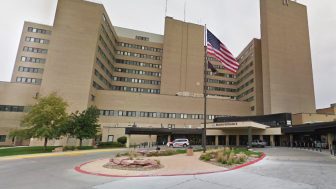
4101 Woolworth Avenue
Omaha, NE 68105
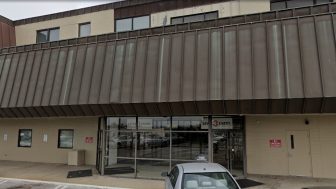
1941 South 42nd Street
#328
Omaha, NE 68105
Popular Nebraska Cities
More Cities View Other Nebraska CitiesFAQs
How do you pay at Stephen Center, and what does an evaluation cost?
A plan or a voucher may be accepted, though it depends on eligibility and coverage. If you’re paying yourself, an initial evaluation is $200 and needs a $100 deposit, and an addendum is $65 with a $30 deposit. A lot of the detail on health insurance for rehab comes down to that same eligibility check.
What levels of care does the HERO program include?
There’s short-term residential treatment, plus non-residential outpatient, and options that sit in between. Intensive outpatient is listed both as a residential level and as a non-residential level, and plain outpatient is listed the same way. Treatment also covers a substance use disorder and a dual diagnosis with a co-occurring mental illness, which is the co-occurring disorders care side of the program.
Who is the HERO program set up for?
People with low income, and people who are experiencing homelessness. That’s who the program serves. The care itself is short-term and long-term treatment for substance use and for co-occurring mental health disorders. Income or housing is what puts a person in that group.
When can you walk in for an evaluation?
Walk-in evaluations run on Mondays. They start at 8:00 a.m., and the last evaluation starts at 3:00 p.m. If you need a set time instead, scheduled evaluations happen on Fridays. So you’ve got a Monday walk-in window and a Friday appointment slot.
Is the HERO program licensed and accredited?
Yes. Stephen Center’s HERO program is state licensed, and it’s nationally accredited by CARF. That’s a state license and a national accreditation on the same addiction recovery program. You’ve got both on that program.
