Step by Step Ministry Hope Project
 Sponsored
About Step by Step Ministry Hope Project
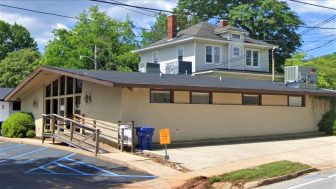
Step by Step Ministry Hope Project is a grassroots nonprofit in Greenville, South Carolina providing recovery support and reentry services for clients affected by substance use, incarceration, and homelessness.
I discovered its mission centers on minority led and community driven recovery and stabilization for clients facing systemic barriers.
Minority Led Addiction Treatment and Services
Support typically begins with an intake and case management assessment where staff connect clients to recovery housing, temporary shelter, or outpatient and dual-diagnosis resources in the Greenville area.
Clients can expect addiction peer counseling and 12 Step meetings, recovery education, and trauma informed support along with referrals for outpatient treatment, sober living, and mental health care.
I noted their approaches include CBT, Rational Behavior Therapy, and Assertive Community Treatment paired with life skills, wellness, and advocacy training.
Quick Facts About Step by Step Ministry Hope Project
- Location: West Greenville, South Carolina, near community resources and public transportation.
- Levels of care: Sober living, outpatient referrals, aftercare, peer recovery support, and intervention services.
- Who they serve: Formerly incarcerated adults, women experiencing homelessness, families, and young adults.
- Approach: Trauma informed, peer led, and wraparound case management with advocacy and life skills training.
- Payment options: Self pay, private insurance, Medicaid, and Medicare.
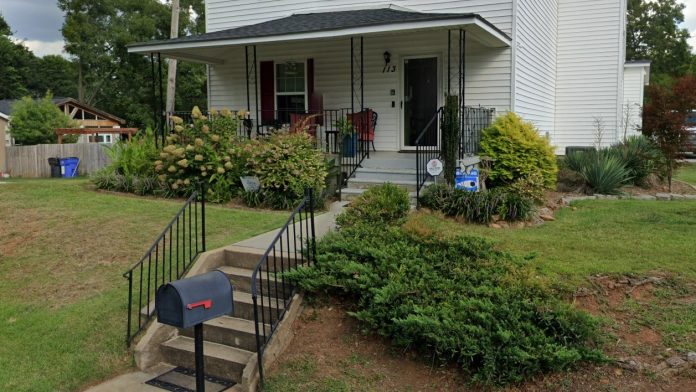
- Amenities: Transitional living space, food pantry, laundry access, and a public career and computer center.
- Aftercare: Alumni peer mentorship, 12 Step meetings, and ongoing community reintegration support.
Amenities
Private drug rehab provides a comfortable, secure environment that allows you to focus on doing the work to get your life back on track. Benefits include a higher staff-to-client ratio, increased one-on-one time with therapists and healthcare providers, private rooms for clients, and customized forms of therapy.
Residential drug rehab provides the comforts of home with the therapeutic support needed to successfully recover. Benefits of an inpatient program include increased safety, a higher success rate, and the time and distance given to focus on recovery. Residential drug rehabs are often the preferred method of treatment, as they can be tailored to meet specific needs, offer focused therapeutic care, and provide the necessary tools to sustain recovery.
Transportation services are designed to ensure your addiction treatment begins and ends successfully by offering free transportation to the rehab facility, to and from your appointments during rehab, and back home upon program completion.
Hiking is a great way to relieve stress, get perspective, navigate challenges, connect with nature, and improve your health - all essential components of sustaining long-term recovery. Studies also show that the body releases endorphins during physical activities like hiking. These endorphins improve mood and act as a natural pain reliever.
In order to maintain a sense of autonomy, many private rehab facilities offer clients the ability to choose their own private rooms. The privacy and personal space ensure that the recovery process is as comfortable as possible.
Addiction Treatment Programs
A young adult program in South Carolina focuses only on young adults and their developmental needs as they face addiction issues. Treatment addresses the unique challenges of this stage of life and helps young adults work through recovery.
Alcohol rehab in South Carolina includes outpatient and inpatient programs. Inpatient requires participants to live at the facility, while outpatient programs provide daily support while the individual lives at home. The goal of both is to address addiction issues and help participants achieve long-term sobriety.
Women’s rehab in South Carolina focuses on physical, emotional, and spiritual support for women who are struggling with addiction. Often, women feel more relaxed and recover more quickly in these gender-specific settings.
Opioid rehab in South Carolina offers hope for those struggling with opioid use disorder. Professional treatment can reduce withdrawal symptoms and address the mental and physical issues of addiction so you can begin to heal.
Therapists often use cognitive behavioral therapy in South Carolina to help individuals learn how to deal with challenging situations without the use of substances. This treatment often includes role-playing techniques.
When you receive addiction treatment that includes rational emotive behavioral therapy in South Carolina, you learn different ways of thinking and responding to life challenges. These skills help you manage triggers and cravings and achieve long-term recovery.
Assertive Community Treatment (ACT) is an integrative, community-based care strategy designed to address the needs of persons with severe and/or complex mental illness or behavioral disorders. ACT is typically provided by a multidisciplinary team of medical and mental health care providers, social workers, therapists, and other specialists, including addiction recovery professionals. These services are frequently provided in the home and community to clients in crisis, those who are clinically unstable, and those who are unable or unwilling to travel to a hospital or clinic for in-person treatment.
Levels of Care
South Carolina outpatient rehab often helps people transition back to their lives from inpatient rehab. This less restrictive program involves attending regular counseling sessions and support group meetings. The length of outpatient rehab varies from short-term to long-term, based on each person’s recovery journey.
Treating a substance abuse disorder without treating a co-occurring mental health disorder is not effective. If you have co-occurring disorders, you need dual diagnosis treatment in South Carolina to properly address all your recovery needs.
Aftercare rehab in South Carolina gives you the guidance and support you need once you complete rehab. As you face temptations and life challenges, it provides resources to overcome hurdles and maintain sobriety. Common services include life coaching, counseling, and support groups. This aftercare often continues for a year or more after initial treatment.
Inpatient drug rehab in South Carolina can last anywhere from a few weeks to more than 90 days, depending on the program. During that time, you will live at the rehab facility and receive treatment such as counseling, medication, and forms of holistic therapy.
South Carolina sober living provides a safe and supportive living environment to help you maintain a sober lifestyle. These homes often serve as a transition between rehab treatment and independent living. A typical stay lasts between five and eight months, but can be for as long as you need it.
The ultimate goal of intervention services in South Carolina is to motivate your loved one to get the treatment they need. This is accomplished through professional intervention facilitation and the development of an effective treatment plan that meets your loved one’s needs.
Contact Information


 Sponsored
Kimberly Hawkins holds a master’s degree in computing and information sciences from East Tennessee State University. She is a content writer specializing in alcoholism, drug addiction, and co-occurring disorders. Kimberly has been passionate about the subject of addiction since her only sibling passed away due to an accidental overdose. Her other interests include playing the piano, being in tranquil natural environments, and spending time with her adult children.
Rehabs.org regularly reviews this listing for accuracy but changes may occur between updates. For the most up-to-date information, please contact Step by Step Ministry Hope Project.