St. Luke’s Mental Health
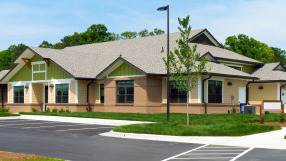
220 North 6th Avenue E Duluth, MN 55805
 Sponsored
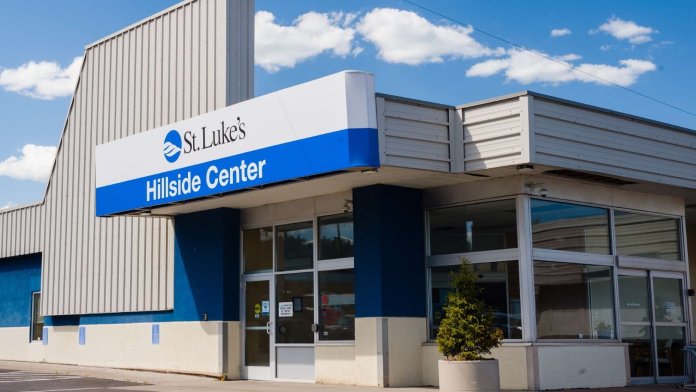
About St. Luke’s Mental Health
Aspirus St. Luke's Behavioral Health Clinic in Duluth, Minnesota is an outpatient drug and alcohol rehab and behavioral health clinic providing services for substance use treatment and broader mental health care.
The center offers individual, family, and group therapy, comprehensive psychiatric services (including medication management, long-acting injectables, transcranial magnetic stimulation (TMS) and electroconvulsive therapy (ECT) and inpatient psychiatric care for crises. I think it's helpful that its treatment philosophy emphasizes trauma informed, evidence based approaches and holistic support for individuals across all ages.
Why Individuals Choose St. Luke’s Mental Health – Hillside Center
- Programs and levels of care: Outpatient counseling (individual, family, group), psychiatry with medication management plus 24/7 inpatient psychiatric unit for crisis care.
- Age groups served: Children, adolescents and adults are all eligible for services at St. Luke’s in Duluth, Minnesota.
- Special populations: Co-occurring disorders, serious and persistent mental illness and LGBTQ+-affirmative care are core to their service model.
- Therapeutic modalities: Employs evidence based therapies such as EMDR, Accelerated Resolution Therapy, Prolonged Exposure, cognitive processing therapy, biofeedback and psychological testing.
- Environment and amenities: Outpatient clinic located at the Hillside Center near St. Luke’s Hospital with public transit access and telehealth options following in-person evaluation.
- Location benefits: The facility is centrally placed with several bus routes nearby and easy access for the northeastern Minnesota community.
- Payment and insurance: Accepts private insurance, Medicaid, and Medicare. Offers financial assistance and sliding scale fees for qualifying clients.
- Family and aftercare support: Provides family therapy through outpatient care with strong referral pathways for addiction treatment and ongoing community reintegration support.
Getting Started with Treatment at St. Luke’s
Typically, treatment begins with an outpatient assessment or intake evaluation during business hours at St. Luke’s Mental Health Hillside Center. I found that the admissions or scheduling team will help match you to appropriate services such as counseling, psychiatric care, or crisis support based on your needs and review insurance, Medicaid, or financial assistance options with you.
Amenities
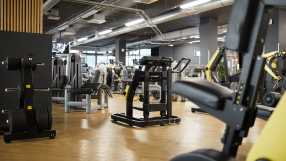
Gym
When paired with cognitive-behavioral therapy, exercise can be an effective tool for overcoming addiction. Dru...g rehabs with a gym offer clients healthy ways to increase energy levels, balance the body’s stress hormone levels, and aid in the brain’s healing process.
Lakeside
Private Rehab
Private drug rehab provides a comfortable, secure environment that allows you to focus on doing the work to ge...t your life back on track. Benefits include a higher staff-to-client ratio, increased one-on-one time with therapists and healthcare providers, private rooms for clients, and customized forms of therapy.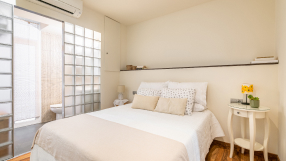
Private Rooms
In order to maintain a sense of autonomy, many private rehab facilities offer clients the ability to choose th...eir own private rooms. The privacy and personal space ensure that the recovery process is as comfortable as possible.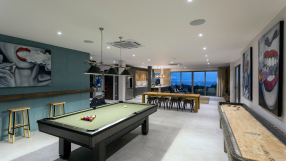
Rec Room & Activities
Recreational therapy uniquely combines therapeutic interventions with an activity, like horse-riding, hiking, ...wilderness therapy, basketball, tennis, or a full workout. Benefits of recreational therapy include providing a healthy way to work through the emotions of recovery, learning to build and maintain relationships, improving communication skills, and building self-esteem.
Residential Setting
Residential drug rehab provides the comforts of home with the therapeutic support needed to successfully recov...er. Benefits of an inpatient program include increased safety, a higher success rate, and the time and distance given to focus on recovery. Residential drug rehabs are often the preferred method of treatment, as they can be tailored to meet specific needs, offer focused therapeutic care, and provide the necessary tools to sustain recovery.
Yoga Studio
Treatment centers with a yoga studio offer a special form of holistic therapy during the recovery process. Yog...a boosts mindfulness, a sense of calm, and healthy reflection during drug rehab via breathing exercises, stretching, and a progression of specific postures.Addiction Treatment Programs
Teen & Adolescent Program
Recovery is not the same for young adults as it is for older individuals. A young adult program in Minnesota treats the patient as a whole, addressing unique life-stage challenges, dual diagnosis issues, and substance abuse.Adult Program
When an individual struggles with drug and alcohol use, an adult program in Minnesota can provide treatment and mental health support. Designed for men and women over the age of 18, these programs help individuals obtain and maintain sobriety.Alcoholism
The goal of alcohol rehab in Minnesota is to help you make mental and behavioral changes that lead to recovery and long-term sobriety. Most methods rely on a combination of group and individual counseling to accomplish these goals.Opioid Treatment
After evaluating your needs and budget, staff at opioid rehab in Minnesota will help you determine the length of your treatment and its intensity level, to properly address your degree of opioid dependence. Most programs include detox, addiction therapy, specialized care, and aftercare support.Cognitive Behavioral Therapy (CBT)
Cognitive behavioral therapy in Minnesota is based on rapid, action-focused treatment. This works well for 60 to 90-day rehab programs by providing participants with immediate and effective coping techniques.Drug Rehab
Drug rehab in Minnesota often starts with assessment. Once needs are determined, the individual typically begins treatment with detox, then enters rehab, and finally receives aftercare once the program is complete. This continuum of care offers appropriate levels of support at each stage to help the individual achieve long-term recovery.Senior Drug & Alcohol Rehab
Designed to cater to the older adult's individual needs, elderly rehab in Minnesota increases recovery success. Seniors may participate in individual therapy, group therapy, or holistic therapies, focusing on the specific challenges they are facing related to their stage of life and type of addiction.Hypnotherapy
Hypnotherapy is an evidence-based complementary approach to addiction treatment in which clients enter an induced state of deep relaxation. Once the client has entered this hypnotic state, the hypnotherapist uses various techniques, including guided imagery and positive affirmations, to help clients “unlearn” negative behaviors, such as substance misuse, and adopt healthy ones. The approach supports clients’ long-term mental, physical, and emotional wellbeing and reduces their risk of relapse by tapping into the power of the subconscious mind.Levels of Care
Inpatient Rehab
If you choose inpatient drug rehab in Minnesota, often referred to as residential rehab, you’ll receive 24/7... care while living at the rehab facility. Typical treatment services include individual and group therapy, medication management, and relapse prevention education.Outpatient Rehab
Outpatient rehab in Minnesota provides a less restrictive environment than inpatient. You’ll live at home wh...ile attending just a few hours of counseling sessions per week and receive ongoing support through a program such as AA or NA. This will continue for as long as you need this level of accountability.Dual Diagnosis & Mental Health
Left untreated, mental disorders complicate substance abuse disorders and make addiction treatment ineffective.... Dual diagnosis treatment in Minnesota addresses both, making it ideal for those who have co-occurring disorders.Aftercare & Alumni Program
For months or years after achieving initial sobriety, aftercare rehab in Minnesota gives you access to resourc...es that help you maintain sobriety after treatment. You can receive support through 12-step groups, ongoing counseling, and financial coaching.Accreditations

Joint Commission

SAMHSA

CARF
State License
Insurance
 Financial Aid
You may also be eligible for Financial Aid if you're in need of assistance with the cost of rehab. Financial a...ssistance options include grants, scholarships, non-profit programs, personal funding, and health insurance programs to help you manage the expense of substance abuse treatment.
 Medicaid Accepted
For those struggling with payment, Medicaid can provide financial assistance. Medicaid coverage may vary, but ...it can offer support for all levels of care.
 Medicare Accepted
For those with Medicare you may have coverage options available to help pay for alcohol and drug rehab in Minn...esota. The amount of coverage will depend on many things, including whether you are seeking inpatient or outpatient treatment for substance abuse.
 TRICARE
Administered by the Department of Defense, TRICARE offers comprehensive military health insurance plans for ac...tive and retired military members and their families. Similar to PPO programs offered by private insurance companies, TRICARE covers multiple levels of care for addiction treatment, including detox, inpatient rehab, and outpatient services.
 Private Insurance
If you have private rehab insurance, you can also utilize your coverage to help pay for rehab. Your insurance ...policy will dictate the amount covered and if the treatment center is in-network or out-of-network. You may be left with some costs like a co-payment, or co-insurance. Check with your insurer for more information.
 Self-Pay Options
You can opt for Self-Pay Options or Private Pay, which allows you to fully finance your treatment journey. Thi...s option gives you the flexibility to choose from all levels of care, including detox, inpatient rehab, because you don’t have to stick to the limitations or restrictions of state-run programs, or insurance providers.Contact St. Luke’s Mental Health


 Sponsored