Spring River Mental Health
201 West Walnut Street
Columbus, KS 66725
 Sponsored
About Spring River Mental Health
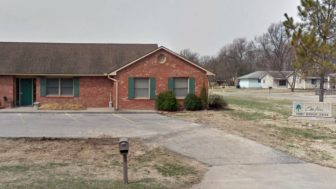
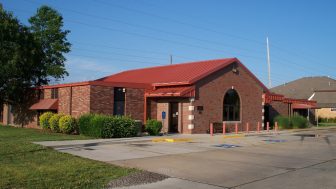
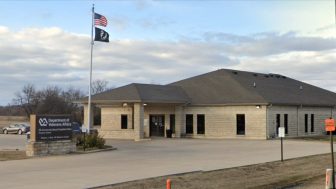
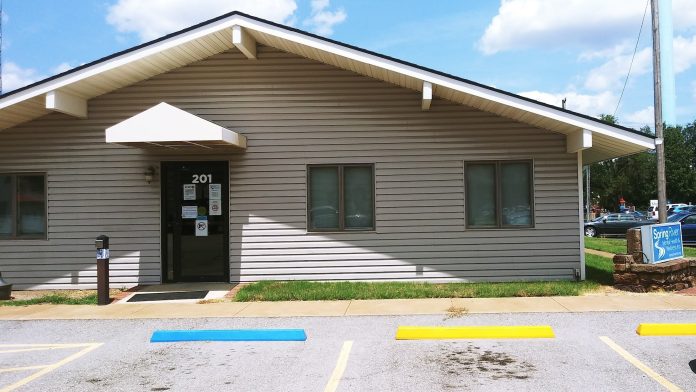
Spring River Mental Health and Wellness is a treatment facility located in a nondescript facility in suburban Columbus, Kansas. For over 40 years, they have specialized in treating adolescents, children, adults, and veterans who have struggled with co-occurring conditions and substance abuse disorders. Care is available in English and Spanish.
They accept Medicaid, Medicare, as well as TRICARE. If you’re uninsured or underinsured, they offer sliding scale fees.
When you're struggling with the effects of chemical dependency the road to recovery can appear overwhelming and too challenging. To better assist you, when you first arrive, they’ll complete an intake and assessment to get you to the most appropriate level of care you need. They offer a multitude of services to help you heal, build a strong foundation in recovery, and help you move forward. These services include recovery coaching, individual counseling, referrals and coordinating care to inpatient or detox if necessary, medication assisted treatment (MAT), and psychiatric care.
What stands out to me the most is their court-related services like SB 123 Court-Ordered Individuals and Group programs, DUI evaluations, and court reports. It’s not uncommon for individuals struggling with addiction to have involvement with the judicial system. They can assist you with regaining your driving privileges back, provide substance abuse education and counseling.
Another amazing feature is their specialized program for service members, veterans, and family members (SMVF). It can feel challenging to reach out for help or have the fear of being misjudged when you or a loved one is struggling with chemical dependency and co-occurring mental health conditions. With this program they can provide screenings, referrals, trauma-informed care, outpatient mental health treatment and so much more. They can coordinate care to help you get connected to military benefits and provide assistance with navigating veterans administrations.
Something else that caught my eye is their tobacco use treatment. When you’re struggling with chemical dependency it’s common to also struggle with quitting tobacco products. Quitting cigarettes can reduce the risk of relapse and improve your quality of life. They provide ongoing support, assessments, and resources that can help you quit smoking.
Amenities
Art and music are mediums that connect with our feelings, making them a great recovery tool during addiction treatment. Studies show that combining art/music and drug rehab can have a greater therapeutic impact than drug rehab alone, as you’re able to access parts of your brain and body that you may not have access to during traditional talk therapy. Benefits of art/music therapy include lowering stress and anxiety, promoting healthy neurochemicals, and providing stress relief.
When used as part of an evidence-based treatment plan, basketball can boost physical and mental health, lead to sharper thinking, and facilitate improved self-esteem. Drug rehabs with a basketball court also place a focus on teamwork and cooperation.
Addiction treatment programs provide an opportunity to get your life back on track with access to school classes or college courses. Whether you want to finish your GED or go back to school to learn a new trade, facilities often enlist tutors and teachers who are certified or licensed by the state to oversee self-study or distance-learning education.
When paired with cognitive-behavioral therapy, exercise can be an effective tool for overcoming addiction. Drug rehabs with a gym offer clients healthy ways to increase energy levels, balance the body’s stress hormone levels, and aid in the brain’s healing process.
Music can be extremely therapeutic, serving as a valuable healing tool and an integrative feature of a holistic treatment plan. A music room offers a large number of outlets, including singing, playing musical instruments, and listening to music.
Transportation services are designed to ensure your addiction treatment begins and ends successfully by offering free transportation to the rehab facility, to and from your appointments during rehab, and back home upon program completion.
Residential drug rehab provides the comforts of home with the therapeutic support needed to successfully recover. Benefits of an inpatient program include increased safety, a higher success rate, and the time and distance given to focus on recovery. Residential drug rehabs are often the preferred method of treatment, as they can be tailored to meet specific needs, offer focused therapeutic care, and provide the necessary tools to sustain recovery.
Private drug rehab provides a comfortable, secure environment that allows you to focus on doing the work to get your life back on track. Benefits include a higher staff-to-client ratio, increased one-on-one time with therapists and healthcare providers, private rooms for clients, and customized forms of therapy.
In order to maintain a sense of autonomy, many private rehab facilities offer clients the ability to choose their own private rooms. The privacy and personal space ensure that the recovery process is as comfortable as possible.
Addiction Treatment Programs
Treatment plans at a young adult program in Kansas typically encompass counseling for addiction as well as co-occurring mental health disorders. Young adults who are struggling with anxiety, depression, PTSD, or ADHD can get help for these disorders as well as substance use disorders.
When an individual needs help with an addiction, they can find support at an adult program in Kansas. These treatment programs offer recovery services for men and women ages 18 and older.
Alcohol rehab in Kansas helps individuals who are struggling with alcohol use disorder learn about recovery, its benefits, and how to achieve it. Treatment focuses on motivation to change, skills to accomplish change, and how to maintain long-term success with sobriety.
Often, men’s rehab in Kansas offers treatment for substance use disorders as well as dual diagnosis treatment. These programs can help men who are facing PTSD, ADHD, depression, anxiety, and bipolar disorder.
Women’s rehab in Kansas provides gender-specific treatment and allows participants to connect with other women who understand their challenges. This targeted support can be beneficial for long-term recovery.
The most common types of opioid rehab in Kansas are detox, inpatient, intensive outpatient, and support groups. Each use evidence-based therapies to teach strategies for overcoming addiction and maintaining long-term sobriety.
People often benefit from cognitive behavioral therapy in Kansas, as it teaches techniques for coping with negative thoughts, challenging emotions, and triggers. These exercises can be practiced on their own, so people in recovery have effective tools to maintain their sobriety.
No single drug rehab in Kansas is right for everyone. Length, intensity, setting, and treatment methods vary. These can be tailored to meet each person’s needs. With the right program, individuals can successfully end their drug dependency and achieve long-term recovery.
With a focus on addressing the physical and mental challenges that often make older individuals more susceptible to substance use disorders, elderly rehab in Kansas provides a targeted solution. Staff are trained in geriatric issues and how to provide relevant care for seniors.
Women’s rehab in Kansas provides gender-specific treatment and allows participants to connect with other women who understand their challenges. This targeted support can be beneficial for long-term recovery.
When you choose Veteran’s rehab in Kansas, you’ll receive evidence-based treatment that is effective for those with a military background. Methods of treatment may include assessments, detox, family therapy, individual therapy, life skills training, and relapse prevention.
Levels of Care
Kansas outpatient rehab often includes several types of therapy, such as group, individual, and family. You’ll attend several sessions per week, learning new skills and how to live a sober lifestyle. This treatment will continue for weeks, months, or even years, depending on your ongoing recovery needs.
Once you’ve completed early phases of treatment, aftercare rehab in Kansas provides continued support. As you begin to face challenges of everyday life, this program gives you the tools you need to meet them. Ongoing counseling, support groups, and financial guidance are common aspects of aftercare, which may continue for a year or more after initial treatment.
A dual diagnosis treatment program in Kansas is best suited to meet the needs of those who have co-occurring disorders. If you suffer from anxiety, mood disorder, depression, or ADHD alongside addiction, dual diagnosis treatment will effectively treat both disorders.
Accreditations
Accepted Insurance

Contact Information


 Sponsored