DCCCA Pratt
501 South Ninnescah Street
Pratt, KS 67124
 Sponsored
About DCCCA Pratt
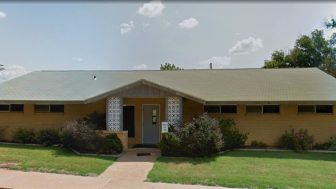
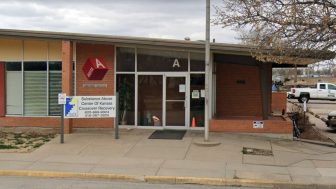
DCCCA Pratt (formerly South Central Kansas Foundation on Chemical Dependency) operates as part of the statewide DCCCA network. Located on South Ninnescah Street in Pratt, Kansas, this facility provides outpatient substance use recovery services that empower individuals and families toward long-term wellness.
It’s about half a mile southeast of the Pratt County Courthouse and around a mile southeast of the S.P. Gebhart House. As part of a statewide system, DCCCA Pratt combines local support with consistent clinical standards to ensure high-quality, accessible care for people throughout Pratt County.
Low-Cost Recovery For All Ages
I was impressed by DCCCA Pratt’s dedication to providing quality treatment at a low cost for individuals of all ages struggling with substance use disorder. They serve adults, teenagers and adolescents or transitional-age youth navigating stressors tied to education, employment and social dynamics. They also provide essential support for seniors facing substance use challenges.
The facility accepts Medicaid, which helps make care more affordable and accessible for those in need. They even offer an income-based sliding fee scale for the uninsured, ensuring no one is denied care due to an inability to pay.
Court-Ordered Services For Justice-Involved Individuals
This facility is a state-approved and trusted provider of assessment and education for DUI offenders. Primarily, they offer Alcohol and Drug Information Schools (ADIS) for first-time offenders. With a focus on accountability and healthy decision-making, this eight-hour education course addresses the consequences of substance use.
Evidence-Based and Flexible Solutions
DCCCA Pratt delivers evidence-based, trauma-informed care that improves individual well-being and fosters long-term resilience. You can access therapeutic support through general outpatient care or a more structured intensive outpatient program (IOP).
Therapy draws on proven methods like cognitive behavioral techniques and motivational interviewing to encourage positive change and strengthen your coping mechanisms. Your personalized care may also include psychiatric support to treat co-occurring mental health challenges, helping to restore emotional balance as you move forward in recovery.
What I appreciate most about this program is its flexibility as sessions are scheduled to ensure you receive targeted support while staying grounded in your daily routine. Aftercare support may include referrals to local self-help groups like AA/NA and linkage to community resources to address personal needs like housing, medical care and employment.
Amenities
Private drug rehab provides a comfortable, secure environment that allows you to focus on doing the work to get your life back on track. Benefits include a higher staff-to-client ratio, increased one-on-one time with therapists and healthcare providers, private rooms for clients, and customized forms of therapy.
Residential drug rehab provides the comforts of home with the therapeutic support needed to successfully recover. Benefits of an inpatient program include increased safety, a higher success rate, and the time and distance given to focus on recovery. Residential drug rehabs are often the preferred method of treatment, as they can be tailored to meet specific needs, offer focused therapeutic care, and provide the necessary tools to sustain recovery.
Addiction Treatment Programs
Treatment plans at a young adult program in Kansas typically encompass counseling for addiction as well as co-occurring mental health disorders. Young adults who are struggling with anxiety, depression, PTSD, or ADHD can get help for these disorders as well as substance use disorders.
When an individual needs help with an addiction, they can find support at an adult program in Kansas. These treatment programs offer recovery services for men and women ages 18 and older.
Alcohol rehab in Kansas helps individuals who are struggling with alcohol use disorder learn about recovery, its benefits, and how to achieve it. Treatment focuses on motivation to change, skills to accomplish change, and how to maintain long-term success with sobriety.
Often, men’s rehab in Kansas offers treatment for substance use disorders as well as dual diagnosis treatment. These programs can help men who are facing PTSD, ADHD, depression, anxiety, and bipolar disorder.
Women’s rehab in Kansas provides gender-specific treatment and allows participants to connect with other women who understand their challenges. This targeted support can be beneficial for long-term recovery.
The most common types of opioid rehab in Kansas are detox, inpatient, intensive outpatient, and support groups. Each use evidence-based therapies to teach strategies for overcoming addiction and maintaining long-term sobriety.
People often benefit from cognitive behavioral therapy in Kansas, as it teaches techniques for coping with negative thoughts, challenging emotions, and triggers. These exercises can be practiced on their own, so people in recovery have effective tools to maintain their sobriety.
No single drug rehab in Kansas is right for everyone. Length, intensity, setting, and treatment methods vary. These can be tailored to meet each person’s needs. With the right program, individuals can successfully end their drug dependency and achieve long-term recovery.
Levels of Care
Kansas outpatient rehab often includes several types of therapy, such as group, individual, and family. You’ll attend several sessions per week, learning new skills and how to live a sober lifestyle. This treatment will continue for weeks, months, or even years, depending on your ongoing recovery needs.
A dual diagnosis treatment program in Kansas is best suited to meet the needs of those who have co-occurring disorders. If you suffer from anxiety, mood disorder, depression, or ADHD alongside addiction, dual diagnosis treatment will effectively treat both disorders.
Once you’ve completed early phases of treatment, aftercare rehab in Kansas provides continued support. As you begin to face challenges of everyday life, this program gives you the tools you need to meet them. Ongoing counseling, support groups, and financial guidance are common aspects of aftercare, which may continue for a year or more after initial treatment.
Contact Information


 Sponsored