SODAT – Delaware
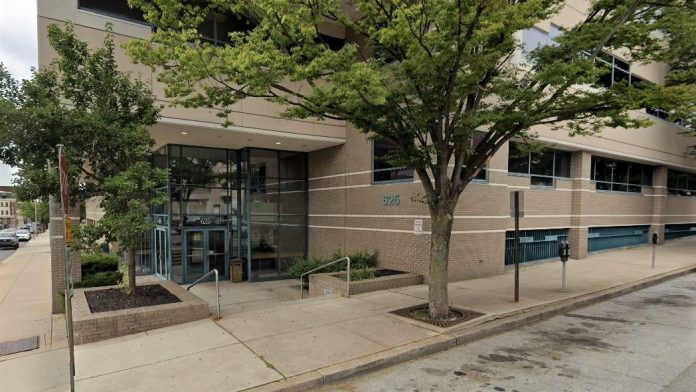
625 North Orange street
2nd Floor
Wilmington, DE 19801
 Sponsored
About SODAT – Delaware
SODAT Delaware is a dual diagnosis drug rehab for adults, located in Wilmington, Delaware. Offering outpatient addiction treatment, dual diagnosis programs, counseling, and aftercare.
Specializing in outpatient treatment, SODAT Delaware’s team of expert clinicians uses an integrated model of care which is a trauma informed approach to treating co-occurring conditions at the same time, through individual and group therapy, and medication management. Participants also benefit from psychoeducation and skill building groups to enhance their coping skills and relapse prevention strategies.
Accredited by the Joint Commission and LegitScript, emphasizing their quality addiction care. Private insurance plans, Medicaid, and self pay are accepted. Sliding scale payment assistance may also be available.
Addiction Treatment Programs
Many options are available for those seeking a young adult program in Delaware. Since this demographic faces so many unique needs and challenges, recovery success may rely on threatment that specifically targets those elements.
An adult program in Delaware provides addiction recovery services for individuals ages 18 and older. Treatment is typically offered on a continuum of care, based on the severity of the addiction.
The typical format for alcohol rehab in Delaware includes detox, rehabilitation, and maintenance. This three-phase plan provides comprehensive treatment that uses best practices for long-term, lasting sobriety.
Men’s rehab in Delaware gives men the benefit of speaking with other men about their substance use disorder and related challenges. This connection can be an important part of the recovery process.
Women’s rehab in Delaware offers treatment for women with substance use disorders. These programs often include dual diagnosis treatment, so women can also get help for co-occurring disorders such as depression, anxiety, ADHD, bipolar disorder, and PTSD.
Successful opioid rehab in Delaware addresses medical, emotional, and relational aspects of addiction. Treatment provides the professional intervention necessary to get your life on track, through personalized programs that address your unique needs.
When people have impulsive, negative thoughts, they often try to self-medicate with alcohol or drugs to cope with their emotions. Cognitive behavioral therapy in Delaware helps people identify these thoughts patterns and manage them without the use of substances.
Recovery can begin at drug rehab in Delaware. These programs specialize in providing an environment that encourages rest, rejuvenation, and a restart to life. Individuals receive customized treatment that is designed to put them on the path to recovery.
Therapists use rational emotive behavioral therapy in Delaware to treat addiction and co-occurring mental health conditions. The focus is on correcting irrational beliefs around one’s substance use behavior and developing healthier patterns of thinking and behavior.
Moral Reconation Therapy (MRT) is a form of psychotherapy commonly used in addiction recovery. Based on cognitive behavioral therapy (CBT), moral reconation therapy (MRT) helps clients recognize unhealthy and/or harmful thought patterns and to replace them with more positive and productive ones. MRT is designed to empower clients to make healthier life choices and to more effectively align their behaviors with their moral values.
Levels of Care
Delaware outpatient rehab provides ongoing treatment while allowing you to fulfill other obligations at work and home. It involves attending treatment sessions several times per week and attending a support group. This treatment may continue for weeks or months, depending on your recovery needs.
When a mental health disorder and substance abuse disorder exist simultaneously, dual diagnosis in Delaware is necessary for proper treatment. Common co-occurring disorders include depression, anxiety, ADHD, and eating disorders.
Professional intervention services in Delaware are available to assist with facilitating interventions and providing the necessary follow-up resources for families. Staff intervention specialists will help you create an intervention plan that guides your loved one to embrace the recovery help they need.
Accreditations
Contact Information


 Sponsored