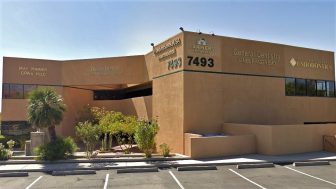
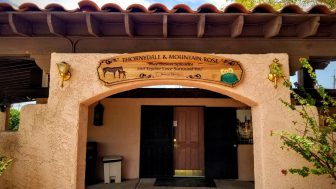
Sierra Tucson
39580 South Lago Del Oro Parkway
Tucson, AZ 85739
 Sponsored

About Sierra Tucson
Sierra Tucson is a mental health and addiction treatment center in Tucson, Arizona. Here you’ll find inpatient and outpatient programs that treat behavioral health issues like drug addiction, depression. anxiety and eating disorders. Specialized tracks for inpatient care include mood and anxiety, trauma, and addiction. The Chrysalis Program is a subacute inpatient program for people with OCD or PTSD and requires a gentler approach to healing.
All programs at Sierra Tucson utilize a trauma informed approach and treat the mind, body and spirit. If you require initial stabilization, you’ll undergo medically assisted detox at the facility. Clinical professionals will help guide you in a number of sessions using cognitive behavioral therapy and dialectical behavior therapy. They use the 12 Steps, nutritional support and psychodrama to help you heal from addiction and mental health disorders.
They have a program dedicated to veterans and first responders called Red, White and Blue. This is a culturally competent experience that provides personalized care and mental health support for military personnel, firefighters and EMTs.
The Connect365 program provides essential support for your first year of recovery. This is a mobile app where a Recovery Coach will communicate with you on a weekly basis for a year following treatment. This includes relapse prevention assistance and personalized support for no additional cost.
People who’ve attended treatment at Sierra Tucson say that it was professionally run and it was a great experience. They also said the staff is excellent and caring.
Amenities
Private drug rehab provides a comfortable, secure environment that allows you to focus on doing the work to get your life back on track. Benefits include a higher staff-to-client ratio, increased one-on-one time with therapists and healthcare providers, private rooms for clients, and customized forms of therapy.
Yoga and meditation are great activities to support your recovery process during alcohol or drug rehab. These therapies have been around for centuries, and they are an effective way to improve well-being. Combining addiction treatment, yoga, and meditation can reduce cravings, improve sleep, relieve anxiety and depression, provide stress relief, promote relaxation, support emotional healing, and improve energy levels.
Business centers are a preferred amenity in many mental health and addiction recovery facilities and typically feature secure, high-speed internet, computer stations, printers, and related business technologies. Business centers are designed to enable professionals and students to continue to participate in work or school activities without leaving the treatment facility.
When paired with cognitive-behavioral therapy, exercise can be an effective tool for overcoming addiction. Drug rehabs with a gym offer clients healthy ways to increase energy levels, balance the body’s stress hormone levels, and aid in the brain’s healing process.
Treatment centers with a yoga studio offer a special form of holistic therapy during the recovery process. Yoga boosts mindfulness, a sense of calm, and healthy reflection during drug rehab via breathing exercises, stretching, and a progression of specific postures.
The massage room offers a wealth of benefits as part of an overall evidence-based drug and alcohol recovery program. Massage therapy boosts blood flow and flushes lactic acid from the muscles, and the vascular benefits last several days after the massage.
Acupuncture is one of the most popular luxurious and alternative therapies offered by rehabs. An acupuncture room provides benefits like pain reduction, improved sleep, a healthy immune system, and a decrease in anxiety.
Hiking is a great way to relieve stress, get perspective, navigate challenges, connect with nature, and improve your health - all essential components of sustaining long-term recovery. Studies also show that the body releases endorphins during physical activities like hiking. These endorphins improve mood and act as a natural pain reliever.
Art and music are mediums that connect with our feelings, making them a great recovery tool during addiction treatment. Studies show that combining art/music and drug rehab can have a greater therapeutic impact than drug rehab alone, as you’re able to access parts of your brain and body that you may not have access to during traditional talk therapy. Benefits of art/music therapy include lowering stress and anxiety, promoting healthy neurochemicals, and providing stress relief.
Addiction Treatment Programs
When individuals choose a young adult program in Arizona, they receive multidisciplinary care that addresses all aspects of their lives. Treatment focuses on physical, social, educational, and emotional needs, encompassing both addiction and dual diagnosis treatment.
A rehab adult program in Arizona provides treatment for addiction. Adults (age 18+) participate in various therapies that are designed to break the cycle of substance abuse and teach new coping skills so the individual can maintain a healthy, sober lifestyle.
If you’re struggling with alcohol use disorder, alcohol rehab in Arizona can help. Many treatment options are available to help individuals recover and take steps to create a healthy and fulfilling life. Programs include long-term, short-term, inpatient, and outpatient alcohol rehab.
Men and women often respond differently to addiction and addiction treatment. Men’s rehab in Arizona addresses these differences to provide the most effective recovery treatment for men.
Women’s experiences with addiction can differ greatly from men’s. Women’s rehab in Arizona addresses these differences and provides gender-specific treatment targeted to meet women’s needs.
Individuals who attend opioid rehab in Arizona are provided a safe and comfortable environment where they can focus on sobriety. The goal of treatment is to address issues that drive dependence and help individuals learn how to live independently from opioid use.
Cognitive behavioral therapy in Arizona teaches individuals in addiction treatment to connect their feelings, thoughts, and actions to discover how these impact their recovery. This treatment method is frequently used for the treatment of substance use disorders and co-occurring disorders.
Drug rehab in Arizona is the process of treating individuals who are dependent on a particular addictive drug. Because addiction is complex, this treatment typically includes a variety of interventions that address the many issues involved.
Women’s experiences with addiction can differ greatly from men’s. Women’s rehab in Arizona addresses these differences and provides gender-specific treatment targeted to meet women’s needs.
The foundation of rational emotive behavioral therapy in Arizona is the philosophy that beliefs about an event, rather than events themselves, affect emotions. These beliefs drive behaviors, such as substance abuse, which can be changed if the thought process changes.
Levels of Care
Outpatient rehab in Arizona often serves as a transition from inpatient treatment to aftercare programs. It is suitable for those who are coping well in recovery but still need a high level of accountability from counselors and peers.
If you are struggling with both addiction and mental illness, you need Arizona dual diagnosis treatment. Because one condition can aggravate the other, this integrated method treats both at the same time, for better recovery results.
Rehab aftercare in Arizona helps people in recovery adapt to everyday life once they’ve completed initial rehab treatment. It can include counseling, academic or financial assistance, goal setting, legal advice, and support groups.
Drug rehab in Arizona typically begins with detox, which is the process of ridding your body of addictive substances. Medical professionals will customize your detoxification and create a recovery plan that fits you best.
Residential or inpatient treatment is the most intensive level of care offered at drug rehabs in Arizona. It involves living at the rehab facility, and they have 24/7 access to medical professionals. A combination of treatment interventions is offered, including therapy and medication management
Accreditations
Accepted Insurance





Contact Information


 Sponsored