ShareHouse
 Sponsored
About ShareHouse
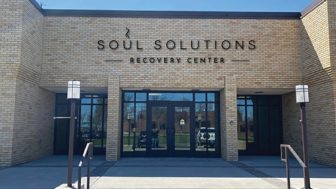
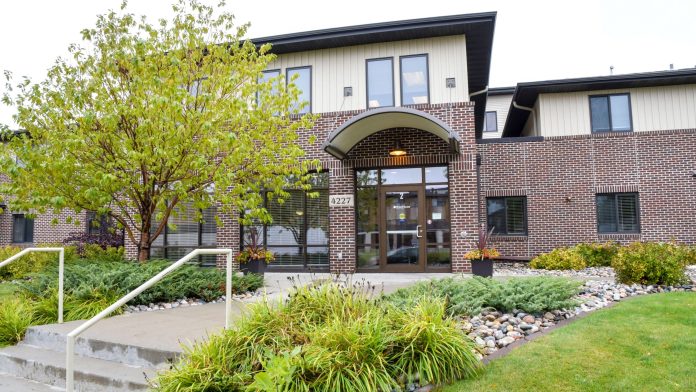
ShareHouse in Fargo, North Dakota offers a full continuum of care for adults navigating substance use and co-occurring disorders in Fargo North Dakota. The organization combines multiple levels of care and recovery living into one integrated system.
From walk-in assessments to long-term housing support, ShareHouse is built around meeting people where they are and supporting them through every stage of recovery.
Integrated Dual Diagnosis Care
I appreciate that ShareHouse specializes in co-occurring disorders, treating substance use and mental health conditions together through a coordinated, multidisciplinary approach.
The outpatient program connects clients weekly with an addiction counselor, mental health counselor, case manager and nurse, ensuring support across all areas of care.
Mental health services include diagnostic assessments, psychological testing, therapy and DBT skills training for conditions like depression, anxiety, trauma, mood disorders and borderline personality disorder.
Medication assisted treatment options including buprenorphine, Suboxone, naloxone and Antabuse are also available for qualifying residential and outpatient clients to help ensure reduced cravings and withdrawal symptoms.
A Full Continuum From Assessment to Recovery
ShareHouse offers walk-in assessments which I found quickly connect clients with the right level of care, ranging from Partial Hospitalization and Intensive Outpatient to Relapse Prevention groups.
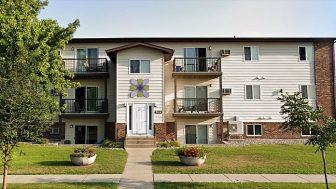
For those needing longer-term support, ShareHouse's 31-bed recovery living facility provides up to six months of staffed, structured sober living with ongoing connections to outpatient services.
Amenities
Yoga and meditation are great activities to support your recovery process during alcohol or drug rehab. These therapies have been around for centuries, and they are an effective way to improve well-being. Combining addiction treatment, yoga, and meditation can reduce cravings, improve sleep, relieve anxiety and depression, provide stress relief, promote relaxation, support emotional healing, and improve energy levels.
Private drug rehab provides a comfortable, secure environment that allows you to focus on doing the work to get your life back on track. Benefits include a higher staff-to-client ratio, increased one-on-one time with therapists and healthcare providers, private rooms for clients, and customized forms of therapy.
Recreational therapy uniquely combines therapeutic interventions with an activity, like horse-riding, hiking, wilderness therapy, basketball, tennis, or a full workout. Benefits of recreational therapy include providing a healthy way to work through the emotions of recovery, learning to build and maintain relationships, improving communication skills, and building self-esteem.
Residential drug rehab provides the comforts of home with the therapeutic support needed to successfully recover. Benefits of an inpatient program include increased safety, a higher success rate, and the time and distance given to focus on recovery. Residential drug rehabs are often the preferred method of treatment, as they can be tailored to meet specific needs, offer focused therapeutic care, and provide the necessary tools to sustain recovery.
Addiction Treatment Programs
There are a wide variety of substance abuse treatment services available in North Dakota. Each adult program in North Dakota is designed to meet the individual where they are and help them find the path to recovery.
Individuals who have an alcohol use disorder can find support at an alcohol rehab in North Dakota. These programs provide a course of treatment that allows men and women to overcome their dependency on alcohol and reclaim their lives.
Dysfunctional thinking can play a significant part in substance use disorders. Cognitive behavioral therapy in North Dakota addresses this thinking and helps participants change thought patterns to create positive change and overcome addiction.
Men’s rehab in North Dakota provides treatment at multiple levels of care. These include detox, inpatient treatment, and outpatient treatment.
Opioid rehab in North Dakota addresses both the psychological and physical aspects of addiction. Many facilities also treat co-occurring disorders. Often, treatment centers include a detox program to ease withdrawal and prepare participants for the recovery program.
Effective rehab for women is typically not the same as rehab for men. Women’s rehab in North Dakota considers the specialized needs of women and provides appropriate treatment.
Young people who struggle with addiction often have a co-occurring disorder. A young adult program in North Dakota typically addresses both addiction and dual diagnosis, so ensure the best results for long-term recovery.
Levels of Care
Inpatient drug rehab in North Dakota may range from two weeks to more than three months. During that time, you’ll reside at the treatment center for the length of the program. Typical treatment methods include individual and group therapy as well as medication management.
Unlike inpatient treatment, outpatient rehab in North Dakota has no fixed timeline. This flexible treatment option is tailored to fit each person’s recovery journey. It involves seeing a counselor regularly and attending 12-step meetings. The focus is sober living and relapse prevention.
Following through with aftercare rehab in North Dakota is key to long-term recovery. These services help you stay sober after you complete an initial rehab program. Aftercare support may include ongoing counseling and accountability as well as practical supports such as job coaching and financial guidance.
When two conditions occur simultaneously, this is referred to as dual diagnosis in North Dakota. Specialized treatment is needed to address both the substance use disorder and the co-occurring mental health disorder.
Residents of sober living in North Dakota can stay in the home as long as they want, as long as they continue to abide by the house rules. These typically include abstinence from alcohol and drugs, maintaining a job, and contributing to household responsibilities. An average stay is between five and eight months.
Accreditations
Accepted Insurance






Staff
Contact Information


 Sponsored
Patti Croft is a full-time writer who writes about accessing effective addiction treatment during the day but is also pursuing her dream of penning a novel in her spare time. She enjoys copious amounts of coffee as creative fuel and sharing an office with her adorable cat, Beau. Her background is in healthcare management, and she is a passionate advocate for mental health and addiction care.
Rehabs.org regularly reviews this listing for accuracy but changes may occur between updates. For the most up-to-date information, please contact ShareHouse.