Seventh Direction
212 North Hillside Street
Wichita, KS 67214
 Sponsored
About Seventh Direction
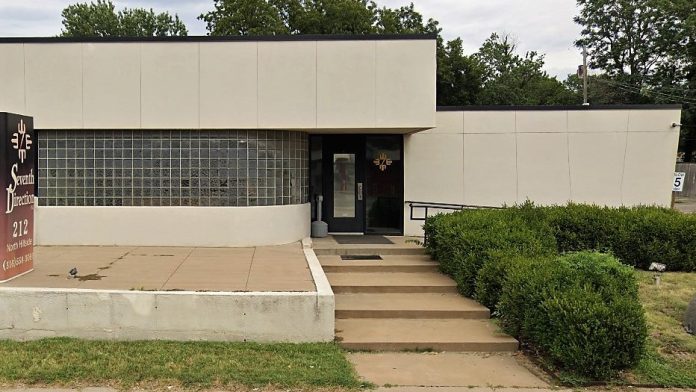
Seventh Direction in a commercial thoroughfare near uptown in Wichita, Kansas. It’s an organization that provides treatment for adults struggling with substance use disorder. Their top priority is to create an individualized treatment plan that supports your needs and helps you meet the goals you have for your recovery. Services that you can receive include non-intensive and intensive outpatient treatment, substance abuse education, and peer support services.
Your outpatient treatment will generally consist of individual and group counseling. The types of groups they offer at this facility include co-occurring groups and family groups. I also like that they offer gender and age specific groups so individuals can feel more comfortable opening up about their experiences. Group counseling will typically cover topics like stress management and identifying triggers.
You can receive support from your peers and also gain insight from their recovery journeys. Another thing that stood out to me about Seventh Direction is their ownership of a community run recovery coffee shop. They use the shop to host 12 Step meetings for their clients.
When clients are seeking recovery services, sometimes there can be barriers that make it difficult to attain them. The facility strives to eliminate those barriers in various ways, such as providing services in both English and Spanish, offering transportation, and offering recovery homes.
The staff wants to help you be able to put your full attention towards recovering from your addiction. The town of Wichita is filled with various shopping centers, parks, and museums. You can also take time to enjoy some nature by visiting The Wichita Gardens or College Hill Park.
Amenities
Taking time away from a demanding corporate job to attend drug rehab may seem impossible, but executive drug rehab programs combine cutting edge addiction treatment with executive amenities like Wi-Fi, access to computers, and conference calling so you can take care of your health and stay on top of business.
Transportation services are designed to ensure your addiction treatment begins and ends successfully by offering free transportation to the rehab facility, to and from your appointments during rehab, and back home upon program completion.
Residential drug rehab provides the comforts of home with the therapeutic support needed to successfully recover. Benefits of an inpatient program include increased safety, a higher success rate, and the time and distance given to focus on recovery. Residential drug rehabs are often the preferred method of treatment, as they can be tailored to meet specific needs, offer focused therapeutic care, and provide the necessary tools to sustain recovery.
Addiction Treatment Programs
When an individual needs help with an addiction, they can find support at an adult program in Kansas. These treatment programs offer recovery services for men and women ages 18 and older.
Alcohol rehab in Kansas helps individuals who are struggling with alcohol use disorder learn about recovery, its benefits, and how to achieve it. Treatment focuses on motivation to change, skills to accomplish change, and how to maintain long-term success with sobriety.
People often benefit from cognitive behavioral therapy in Kansas, as it teaches techniques for coping with negative thoughts, challenging emotions, and triggers. These exercises can be practiced on their own, so people in recovery have effective tools to maintain their sobriety.
Women’s rehab in Kansas provides gender-specific treatment and allows participants to connect with other women who understand their challenges. This targeted support can be beneficial for long-term recovery.
Often, men’s rehab in Kansas offers treatment for substance use disorders as well as dual diagnosis treatment. These programs can help men who are facing PTSD, ADHD, depression, anxiety, and bipolar disorder.
When you choose Veteran’s rehab in Kansas, you’ll receive evidence-based treatment that is effective for those with a military background. Methods of treatment may include assessments, detox, family therapy, individual therapy, life skills training, and relapse prevention.
The most common types of opioid rehab in Kansas are detox, inpatient, intensive outpatient, and support groups. Each use evidence-based therapies to teach strategies for overcoming addiction and maintaining long-term sobriety.
Rational emotive behavioral therapy in Kansas focuses on the present moment rather than the past. It is action-oriented, helping the individual identify and replace maladaptive beliefs that are contributing to substance use and addiction.
With a focus on addressing the physical and mental challenges that often make older individuals more susceptible to substance use disorders, elderly rehab in Kansas provides a targeted solution. Staff are trained in geriatric issues and how to provide relevant care for seniors.
Women’s rehab in Kansas provides gender-specific treatment and allows participants to connect with other women who understand their challenges. This targeted support can be beneficial for long-term recovery.
Treatment plans at a young adult program in Kansas typically encompass counseling for addiction as well as co-occurring mental health disorders. Young adults who are struggling with anxiety, depression, PTSD, or ADHD can get help for these disorders as well as substance use disorders.
Levels of Care
Kansas outpatient rehab often includes several types of therapy, such as group, individual, and family. You’ll attend several sessions per week, learning new skills and how to live a sober lifestyle. This treatment will continue for weeks, months, or even years, depending on your ongoing recovery needs.
A dual diagnosis treatment program in Kansas is best suited to meet the needs of those who have co-occurring disorders. If you suffer from anxiety, mood disorder, depression, or ADHD alongside addiction, dual diagnosis treatment will effectively treat both disorders.
Once you’ve completed early phases of treatment, aftercare rehab in Kansas provides continued support. As you begin to face challenges of everyday life, this program gives you the tools you need to meet them. Ongoing counseling, support groups, and financial guidance are common aspects of aftercare, which may continue for a year or more after initial treatment.
Intervention services are often necessary to encourage a loved one to enter drug rehab in Kansas. These services offer assistance with intervention planning and facilitating, access to resources for developing a treatment plan, and guidance in the admittance process.
Accreditations
Accepted Insurance



Contact Information


 Sponsored