
Serenity Lane Roseburg Intensive Outpatient Treatment and DUII Services
 Sponsored
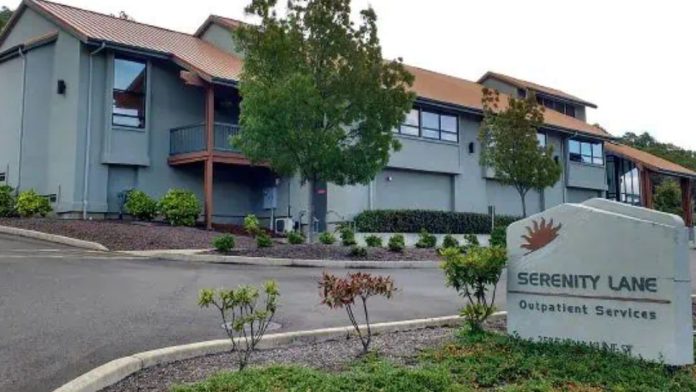
About Serenity Lane Roseburg Intensive Outpatient Treatment and DUII Services
Serenity Lane Roseburg provides confidential and affordable outpatient treatment for adults affected by substance use disorder and co-occurring conditions in Roseburg, Oregon. Their treatment options include intensive outpatient programs (IOP), outpatient programs (OP) and DUI services. They also offer comprehensive family programming. They offer same day admission and support telehealth services to optimize convenience. Telehealth enables you to access therapeutic support in the convenience of your home.
Their IOP is a 10 week program consisting of group therapy, individual counseling and education about the disease of addiction and substance use disorders. Group therapy encourages community support through peer interaction in nonjudgmental settings. You’ll connect with and share experiences with others facing similar challenges. It’s a great avenue to build lasting friendships and relationships that inspire mutual support even after recovery. You may also acquire life skills like effective communication, stress management and problem solving.
Their therapy groups meet three times weekly for three hours. Topics covered include accepting yourself as you are, creating a recovery plan, preventing relapse and adjusting to sober living. You have the option to participate in gender specific groups. This provides a space to talk about issues you might not feel comfortable discussing in a mixed group. Morning and evening groups are available to accommodate your work and school schedule or family commitments. The family support groups meet weekly for three hours. Family programming strengthens your support network by mending relationships and improving communication with your loved ones.
The program emphasizes 12 Step practices. You’re encouraged to attend two AA or NA meetings weekly. They encourage your loved ones to attend Al-Anon or Nar-Anon. You’re also encouraged to see your primary counselor to discuss personal issues interfering with your recovery in one on one sessions. The program also includes random drug/alcohol testing via urinalysis to ensure compliance with treatment guidelines.
The most important aspect of the therapeutic process is the “first step” segment mid-treatment. You’ll present an autobiography on how substance misuse has affected your life during this segment. This is a moment of deep reflection that can fuel your motivation for behavioral changes. Your primary counselor can provide guidance on this as well.
The OP track is available on a weekly basis for 12 to 24 months after completing the IOP. You and your significant other will meet for a one and half hour session to learn how to identify and manage stressful life events. You’ll also be taught how to better cope with the inevitable ups and downs of early recovery.
Their DUII program includes both education and treatment. It focuses on helping you understand the risks of impaired driving while supporting lasting behavior change.
Amenities
Private drug rehab provides a comfortable, secure environment that allows you to focus on doing the work to get your life back on track. Benefits include a higher staff-to-client ratio, increased one-on-one time with therapists and healthcare providers, private rooms for clients, and customized forms of therapy.
Residential drug rehab provides the comforts of home with the therapeutic support needed to successfully recover. Benefits of an inpatient program include increased safety, a higher success rate, and the time and distance given to focus on recovery. Residential drug rehabs are often the preferred method of treatment, as they can be tailored to meet specific needs, offer focused therapeutic care, and provide the necessary tools to sustain recovery.
In order to maintain a sense of autonomy, many private rehab facilities offer clients the ability to choose their own private rooms. The privacy and personal space ensure that the recovery process is as comfortable as possible.
Rehabs that offer mountain views provide beautiful spaces for clients to explore, de-stress, and take part in outdoor or wilderness therapy programs. The mountain surroundings can be a great help to the recovery process, as sobriety may be better achieved while surrounded by a serene setting in nature.
Addiction Treatment Programs
Choosing an age-specific rehab is beneficial because participants can interact with their peers. A young adult program in Oregon offers this opportunity, and it provides age-appropriate activities and therapies.
From detox to aftercare, each adult program in Oregon has one ultimate goal: recovery. These programs use a variety of treatment methods to help those struggling with substance use disorders break free from addiction.
Your recovery journey begins at alcohol rehab in Oregon. There, you’ll receive the tools you need to fight back against addiction. Through a variety of treatment methods and support, you’ll learn how to take your life back and head in a new, healthy direction.
Men can find it helpful to attend men’s rehab in Oregon to help them focus on their recovery goals and treatment program. The gender-specific treatment removes distractions that can be caused by the presence of females.
Female bodies are affected differently by substance abuse than male bodies. Women’s rehab in Oregon addresses these and other differences, to provide effective treatment for women.
During opioid rehab in Oregon, you may participate in a variety of therapies. Common methods include cognitive behavioral therapy, dialectical behavioral therapy, and group therapy. Many treatment programs address dual diagnosis and also provide aftercare support. The ultimate goal is abstinence from opioids for long-term recovery.
Drug rehab in Oregon offers a full continuum of care for those struggling with addiction. From detox, to inpatient, to outpatient, to aftercare, Oregon residents can find the support they need for recovery. This treatment empowers individuals to replace drug use with positive alternatives and develop a healthier lifestyle.
Assertive Community Treatment (ACT) is an integrative, community-based care strategy designed to address the needs of persons with severe and/or complex mental illness or behavioral disorders. ACT is typically provided by a multidisciplinary team of medical and mental health care providers, social workers, therapists, and other specialists, including addiction recovery professionals. These services are frequently provided in the home and community to clients in crisis, those who are clinically unstable, and those who are unable or unwilling to travel to a hospital or clinic for in-person treatment.
Levels of Care
For many, outpatient rehab in Oregon is a natural next step after inpatient treatment. This less restrictive environment offers further counseling and support while you live at home. You’ll attend treatment sessions and 12-step meetings to provide accountability and continued growth, for as long as you need it.
When you struggle with both mental illness and addiction, these conditions aggravate each other. Dual diagnosis treatment in Oregon is important to treat both co-occurring disorders. Common methods include medication management and counseling.
Partnering with Oregon aftercare rehab services is one of the best things you can do after initial rehab treatment. Aftercare provides counseling, guidance, and practical supports as you begin your life of sobriety. This can last as long as you need it, which, for many, is a year or more.
After rehab treatment, sober living in Oregon offers a stable environment for those who don’t feel ready to live on their own. In a sober living home, you’ll agree to follow house policies, abstain from alcohol and drug use, and attend 12-step meetings. You can stay as long as you want, as long as you continue following all house rules.
If your loved one needs drug rehab in Oregon, professional intervention services are available to help guide them toward treatment. Expert interventionists can assist with facilitating an intervention and provide valuable resources to create an effective treatment plan.
Accreditations
Accepted Insurance





Contact Information


 Sponsored
Chika Uchendu has over a decade of experience crafting engaging, authoritative and results-driven content across diverse industries. His expertise spans personal finance & investing, emerging technology and health & wellness. He has a knack for distilling complex topics into compelling narratives that captivate readers and drive engagement.
As substance use disorder has become a national emergency, Chika has decided to lend his voice in this space. He uses his expertise to raise awareness, foster meaningful discussions and provide actionable insights that empower individuals on their path to healing. When he’s not creating content, Chika enjoys sports, hiking and outdoor adventure.
Kerry Nenn is an award-winning writer and editor whose published works include 10 books and extensive content in the addiction/recovery space. Based in the St. Louis area, she holds a bachelor’s degree in social work and psychology (BSW) from Evangel University (Springfield, MO). Kerry regularly contributes to industry-leading websites, international journal publications, and Christian ministries.
Rehabs.org regularly reviews this listing for accuracy but changes may occur between updates. For the most up-to-date information, please contact Serenity Lane Roseburg Intensive Outpatient Treatment and DUII Services.
Nearby Treatment Centers
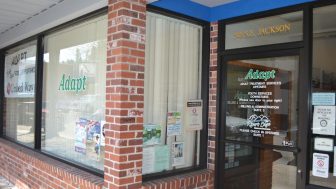
548 SE Jackson St
Roseburg, OR 97470

400 Virginia Avenue
Suite 201
North Bend, OR 97459
621 West Madrone Street
Roseburg, OR 97470
3005 NE Diamond Lake Blvd
Roseburg, OR 97470
