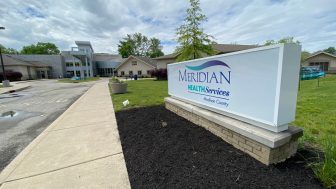
Selah House
1106 Meridian Street
Suite 300
Anderson, IN 46016
 Sponsored
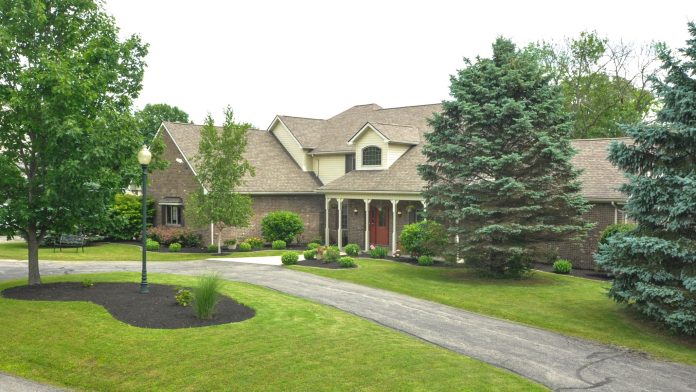
About Selah House
Selah House is a faith-based eating disorder treatment provider offering inpatient, residential, and partial hospitalization programs (PHP) for women and adolescent girls aged 12 and up. It's based out in Anderson, Indiana, about 30 minutes northeast of Indianapolis. The setting includes onsite parking.
Their services include individual, group and family therapy along with specialized therapies like art, equine and yoga. I like that clients often highlight the compassionate Christian-focused atmosphere, holistic healing options and strong clinical staff support.
Healing Many Conditions
Selah House specializes in treating eating disorders such as anorexia nervosa, binge eating disorder and compulsive eating. Treatment is delivered through evidence-based behavioral approaches alongside holistic therapies. Nutritional care emphasizes balanced meal plans without labeling foods as good or bad, with supervised group meals in a family-style setting. Telehealth is currently not available.
It's tailored for those seeking care in a Christian-centered environment and who benefit from both clinical treatment and holistic therapies. I noticed that because of its gender-specific and faith-based focus, it does not serve men or boys.
Starting Up
Selah House accepts commercial insurance plans including Humana and Anthem Blue Cross Blue Shield. Their financial team helps clients understand their benefits and out-of-pocket costs.
To begin treatment, prospective clients go through an intake process involving assessment with licensed therapists and medical professionals to determine the appropriate level of care. The staff then collaborates with the individual to build a treatment plan that includes therapy, nutrition, and holistic practices aligned with their needs.
Amenities
Private drug rehab provides a comfortable, secure environment that allows you to focus on doing the work to get your life back on track. Benefits include a higher staff-to-client ratio, increased one-on-one time with therapists and healthcare providers, private rooms for clients, and customized forms of therapy.
Art and music are mediums that connect with our feelings, making them a great recovery tool during addiction treatment. Studies show that combining art/music and drug rehab can have a greater therapeutic impact than drug rehab alone, as you’re able to access parts of your brain and body that you may not have access to during traditional talk therapy. Benefits of art/music therapy include lowering stress and anxiety, promoting healthy neurochemicals, and providing stress relief.
Treatment centers with a yoga studio offer a special form of holistic therapy during the recovery process. Yoga boosts mindfulness, a sense of calm, and healthy reflection during drug rehab via breathing exercises, stretching, and a progression of specific postures.
In order to maintain a sense of autonomy, many private rehab facilities offer clients the ability to choose their own private rooms. The privacy and personal space ensure that the recovery process is as comfortable as possible.
Residential drug rehab provides the comforts of home with the therapeutic support needed to successfully recover. Benefits of an inpatient program include increased safety, a higher success rate, and the time and distance given to focus on recovery. Residential drug rehabs are often the preferred method of treatment, as they can be tailored to meet specific needs, offer focused therapeutic care, and provide the necessary tools to sustain recovery.
Addiction Treatment Programs
Each young adult program in Indiana covers a wide range of addictions. Programs offer evidence-based therapies to treat alcohol, heroin, opioid, cocaine, benzodiazepine, and marijuana addictions, among others.
An adult program in Indiana offers recovery services to those who have become addicted to drugs or alcohol. Treatment may include inpatient or outpatient services, medication, and a variety of therapy methods.
Women’s rehab in Indiana can be very beneficial for participants. These programs offers services that are designed specifically for women, which can help participants overcome the unique challenges they face.
Cognitive behavioral therapy in Indiana helps those struggling with addiction deal with triggers (something that compels a person to seek their substance of choice). This method teaches individuals healthy ways to handle situations without turning to substance use.
Rational emotive behavioral therapy in Indiana can improve quality of life by helping individuals who are struggling with addiction replace negative thoughts and behaviors with healthy ones. This treatment method is often included as part of a recovery treatment plan.
EMDR Therapy is a neurobiological treatment modality used to address trauma disorders and related mental and behavioral health challenges. Short for eye movement desensitization and reprocessing, EMDR is designed to help clients cope with distressing memories and emotions, including fear, sadness, and anger. EMDR may help clients in addiction recovery manage the psychological and emotional triggers that contribute to substance misuse and/or addiction relapse.
Animal & equine therapy are evidence-based complementary therapies drawing on the emotional, psychological, and physiological benefits of regular contact with animals. Addiction recovery programs may incorporate the care of therapy dogs, cats, horses, and other animals into their treatment model to support clients’ development of recovery-focused life skills, including personal responsibility, time management, and empathy. Contact with therapy animals may reduce stress, enhance mood, decrease depression and anxiety, and increase clients’ self-esteem and sense of wellbeing.
Assertive Community Treatment (ACT) is an integrative, community-based care strategy designed to address the needs of persons with severe and/or complex mental illness or behavioral disorders. ACT is typically provided by a multidisciplinary team of medical and mental health care providers, social workers, therapists, and other specialists, including addiction recovery professionals. These services are frequently provided in the home and community to clients in crisis, those who are clinically unstable, and those who are unable or unwilling to travel to a hospital or clinic for in-person treatment.
Levels of Care
Dual diagnosis in Indiana treats co-occurring disorders, meaning it addresses both your mental health and recovery needs. A multidisciplinary team of psychiatrists and addiction experts work together to ensure all aspects of your mental and physical health are treated.
The moment your initial treatment ends, aftercare rehab in Indiana begins. Multiple aftercare resources are available to help you confidently re-enter life and maintain sobriety. This support may last for a year or more, providing assistance with counseling, job coaching, budgeting assistance, and other life skills.
During inpatient reahb, you live at the treatment facility and participate in several forms of therapy throughout each day. You also engage in forms of psychotherapy, which usually includes group and family therapy as well as individual counseling. Many programs also offer holistic treatment and recovery-focused life skills training.
While in a partial hospitalization program (PHP), you receive treatment similar to an inpatient program, but you’re able to live at home during non-treatment times. PHPs often serve as a step between inpatient and outpatient drug rehab in Indiana.
Accreditations
Accepted Insurance


Contact Information


 Sponsored