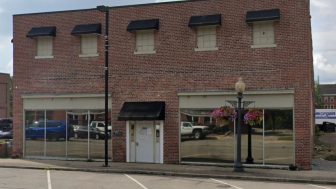
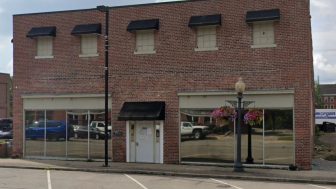
Floyd Simantel Clinic
312 East 2nd Street
Chillicothe, OH 45601
 Sponsored
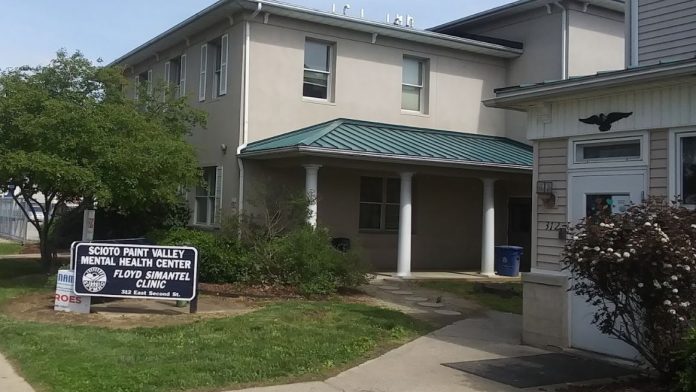
About Floyd Simantel Clinic
The Floyd Simantel Clinic is operated by the Scioto Paint Valley Mental Health Center, which has locations in four Ohio counties: Fayette, Ross, Pickaway and Pike. This location in Chillicothe, Ohio serves Ross County by providing outpatient addiction treatment and addressing co occurring mental health disorders.
The clinic accepts a wide range of insurance, including many private plans, Medicare and Medicaid. They also have a self pay option along with a discounted fee scale if you don’t have insurance.
Outpatient Treatment for Voluntary and Court Involved Adults
The outpatient treatment services at the Floyd Clinic include comprehensive assessments and individual, family and group therapy. They also provide medication assisted treatment (MAT) for opioid and alcohol misuse, screenings for HIV and hepatitis and regular drug testing.
The MAT program uses either buprenorphine or naltrexone to help you avoid withdrawal symptoms and manage cravings during treatment. The medication is combined with evidence based therapy to help you challenge and change old mindsets and habits so you can create a stable, substance free lifestyle.
The treatment program also meets the legal requirements for those with court ordered treatment plans. Everyone receives addiction education, relapse prevention planning, and discharge planning to help them maintain sobriety when the program ends.
Recovery Support Services in Ross County
The Floyd Simantel Clinic can help you find safe, affordable and substance free housing if you aren’t in a secure living situation. They can also assist you with enrollment in relevant social services.
The clinic provides case management services, which can help link you to community resources that provide ongoing support. This might include peer support, recovery support groups and more.
The goal is to help you maintain the positive changes you’ve made while in treatment at the clinic, so you can build a life you’re excited about.
Amenities
Private drug rehab provides a comfortable, secure environment that allows you to focus on doing the work to get your life back on track. Benefits include a higher staff-to-client ratio, increased one-on-one time with therapists and healthcare providers, private rooms for clients, and customized forms of therapy.
Residential drug rehab provides the comforts of home with the therapeutic support needed to successfully recover. Benefits of an inpatient program include increased safety, a higher success rate, and the time and distance given to focus on recovery. Residential drug rehabs are often the preferred method of treatment, as they can be tailored to meet specific needs, offer focused therapeutic care, and provide the necessary tools to sustain recovery.
Recreational therapy uniquely combines therapeutic interventions with an activity, like horse-riding, hiking, wilderness therapy, basketball, tennis, or a full workout. Benefits of recreational therapy include providing a healthy way to work through the emotions of recovery, learning to build and maintain relationships, improving communication skills, and building self-esteem.
Art and music are mediums that connect with our feelings, making them a great recovery tool during addiction treatment. Studies show that combining art/music and drug rehab can have a greater therapeutic impact than drug rehab alone, as you’re able to access parts of your brain and body that you may not have access to during traditional talk therapy. Benefits of art/music therapy include lowering stress and anxiety, promoting healthy neurochemicals, and providing stress relief.
Music can be extremely therapeutic, serving as a valuable healing tool and an integrative feature of a holistic treatment plan. A music room offers a large number of outlets, including singing, playing musical instruments, and listening to music.
Addiction Treatment Programs
A young adult program in Ohio ensures participants receive the most appropriate treatment. Therapies and activities are customized to meet the needs of young people in their teens and twenties.
Tailored for men and women over the age of 18, each adult program in Ohio incorporates multiple therapeutic methods to treat addiction. Various levels of care are offered, based on the needs of the individual.
Alcohol rehab in Ohio provides a support community that can help you overcome addiction. Through a network of support and professional interventions, you can address issues contributing to alcohol abuse and start on the path to recovery.
All levels of care are available at men’s rehab in Ohio. Men who are struggling with addiction can choose detox, inpatient, or outpatient programs, all designed for men.
Often, women suffer from both substance use disorder and a co-occurring mental health disorder. Women’s rehab in Ohio can treat both, which is called dual diagnosis treatment.
Ohio residents who are struggling with opioid use disorder can find support at opioid rehab in Ohio. These specialized treatment centers address the unique challenges of opioid dependence through medication assisted treatment, supervised detox, and evidence-based therapies.
Elderly rehab in Ohio can be helpful for seniors who are struggling with substance abuse. These specialized treatment programs often address issues such as nutritional needs, chronic health conditions, mental health concerns, physical mobility, and social support.
Levels of Care
During outpatient rehab in Ohio, you’ll develop sober-living skills and learn how to live a sober lifestyle. This happens through regular meetings with a recovery expert and involvement in a 12-step program. Your outpatient treatment can continue for as long as you need it, from weeks to years.
If you’re struggling with both mental illness and addiction at the same time, dual diagnosis treatment in Ohio is ideal. This treatment provides an integrated approach to treat both disorders effectively.
Ongoing counseling and support are necessary to maintain sobriety after initial treatment. Aftercare rehab in Ohio provides this support. You’ll have access to resources that help you navigate challenges and prevent relapse. Most people in recovery tap into these resources for at least a few months, and many remain in aftercare for more than a year.
For those who need intensive treatment, inpatient rehab in Ohio includes round-the-clock clinical care.and supervision. At this level of care, programs generally involve multiple addiction counseling sessions per week, which may include individual, group, and family counseling.
If you need extra support during early recovery, sober living in Ohio may be a good option for you. You can stay in a sober living home for as long as you need the accountability and stability. Once people have maintained sober living for several months, they typically move out and live on their own.
Accreditations
Contact Information


 Sponsored