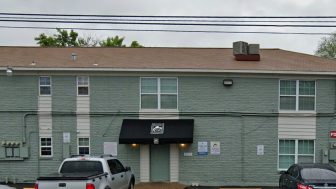
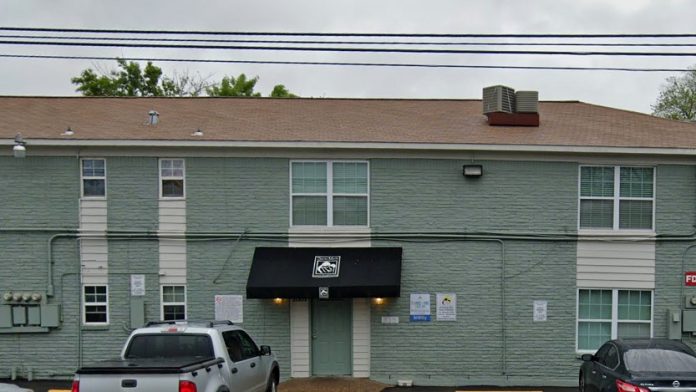
Santa Maria Hostel
2005 Jacquelyn Drive
Houston, TX 77055
 Sponsored
About Santa Maria Hostel
Located in Houston, Texas, Santa Maria Hostel is a drug and alcohol rehab center providing a full continuum of care for adult women. Offering prevention and intervention services, outpatient treatment, inpatient residential rehab, housing, aftercare, long term recovery support, court liaison services, and peer recovery support specialists.
As Texas’ largest multisite residential and outpatient substance use disorder treatment center for women, Santa Maria Hostel is dedicated to helping women overcome challenges to lead healthy and fulfilling lives. The team at Santa Maria serves low income, indigent women over the age of 18 and their children, from Harris and surrounding counties.
Jacquelyn House is Santa Maria’s outpatient rehab, offering recovery support programming in a community setting. Clients have access to individual and group therapy, family counseling, grief therapy, parenting classes, childcare, job readiness training, and peer support. Their peer recovery coaches and recovery support specialists provide coaching and mentoring to support women and mothers to reduce the barriers to recovery, overcome challenges, and connect with community resources to meet educational, housing, health, employment, and social needs. They also support moms to reunite with their children after treatment and secure permanent housing.
Santa Maria Hostel is accredited by United Way and is a Better Business Bureau accredited charity. Medicaid, self pay, and financial assistance available.
Amenities
Addiction treatment programs provide an opportunity to get your life back on track with access to school classes or college courses. Whether you want to finish your GED or go back to school to learn a new trade, facilities often enlist tutors and teachers who are certified or licensed by the state to oversee self-study or distance-learning education.
Transportation services are designed to ensure your addiction treatment begins and ends successfully by offering free transportation to the rehab facility, to and from your appointments during rehab, and back home upon program completion.
Addiction Treatment Programs
The goal of a young adult program in Texas is to set young people free from the effects of addiction and give them the skills they need to successfully navigate early adulthood. This is accomplished with age-appropriate settings, therapies, and activities.
The Lone Star State offers a host of options for those in search of an adult program in Texas. From inpatient to outpatient care, adults can find a program that meets their needs for effective treatment of substance use issues.
Many gender-specific issues must be addressed during addiction recovery. Women’s rehab in Texas provides the appropriate support for women’s challenges such as body image, motherhood, and trauma.
Levels of Care
Inpatient drug rehab in Texas can last from a few weeks to mor than 90 days. During that time, you live at the facility and receive round-the-clock supervised care. Treatment typically includes individual and group therapy.
Outpatient rehab in Texas provides a means for addition treatment while you live at home. You will attend regular therapy sessions and typically maintain involvement with a 12-step program. Because it is tailored for each person’s needs, there is no set timeline for completion of outpatient rehab.
The initial weeks and months after rehab treatment are often the most difficult. Aftercare rehab in Texas is designed to help you successfully navigate these challenging times and maintain sobriety. You’ll receive emotional, mental, and practical supports, for up to a year or more after treatment.
A dual diagnosis treatment center in Texas provides programs for people who struggle with both substance abuse and mental illness. Treating both disorders through an integrated approach is essential for recovery.
Sober living in Texas offers a flexible timeline to meet your recovery needs. You can stay in the sober living home as long as you adhere to house rules. These typically include a curfew, random drug tests, and contribution to household bills and chores.
Accreditations
Contact Information


 Sponsored