Sana at Stowe
3430 Mountain Rd
Stowe, VT 05672
 Sponsored
About Sana at Stowe
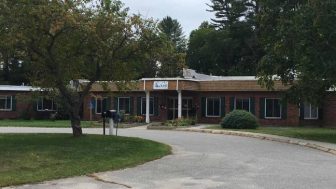
You’ll find luxury drug and alcohol addiction recovery at Sana at Stowe set in the Green Mountains of Stowe, Vermont. They offer holistic rehab along with medication for detox and managing cravings, talk therapy, and group counseling.
Holistic therapies help you find joy in life again. They can improve physical and mental health, reduce stress, and teach life skills. Their center offers acupuncture which has been used in pain management and can help ease depression and anxiety. Their meals are intentionally healthy to help clear thinking and body functioning.
Yoga, walking, and an onsite gym help you regain fitness and feel good. There’s a swimming pool, tennis courts, and snowshoeing in winter. An unusual treatment offered is gardening which may residents find calming and restorative.
One aspect of their personalized care that really stood out to me is the high level of support they offer even before you arrive at the treatment center. They can provide you with nursing support or a sober companion to remain by your side and ensure your safety as you make your way to the center.
Amenities
Recreational therapy uniquely combines therapeutic interventions with an activity, like horse-riding, hiking, wilderness therapy, basketball, tennis, or a full workout. Benefits of recreational therapy include providing a healthy way to work through the emotions of recovery, learning to build and maintain relationships, improving communication skills, and building self-esteem.
Yoga and meditation are great activities to support your recovery process during alcohol or drug rehab. These therapies have been around for centuries, and they are an effective way to improve well-being. Combining addiction treatment, yoga, and meditation can reduce cravings, improve sleep, relieve anxiety and depression, provide stress relief, promote relaxation, support emotional healing, and improve energy levels.
Treatment centers with a yoga studio offer a special form of holistic therapy during the recovery process. Yoga boosts mindfulness, a sense of calm, and healthy reflection during drug rehab via breathing exercises, stretching, and a progression of specific postures.
Hiking is a great way to relieve stress, get perspective, navigate challenges, connect with nature, and improve your health - all essential components of sustaining long-term recovery. Studies also show that the body releases endorphins during physical activities like hiking. These endorphins improve mood and act as a natural pain reliever.
Luxury rehab is a form of treatment offered in a residential, resort-style setting. You’ll receive personalized treatment from staff and clinicians, have access to forms of treatment that go beyond what a typical inpatient rehab offers, and offer specific amenities like ocean views, large single occupancy bedrooms with private baths, and complementary spa treatments like massage, acupuncture, or reiki. Most luxury rehab centers have a limited number of beds.
There are many pathways to recovery and some journeys take a more labor-intensive approach, by attending a farm-based drug rehab. Farm life has many parallels with recovery: it requires constant tending, nurturing, and creating the conditions necessary to thrive. The benefits of a farm program include learning new skills, building a recovery community, peer support, and contributing to a greater ecosystem.
Swimming increases blood flow to the body and brain, boosts white blood cells, and improves muscle strength, lung capacity, and overall stamina. Drug rehabs with a swimming pool offer physical and mental benefits to complement the recovery process.
Private drug rehab provides a comfortable, secure environment that allows you to focus on doing the work to get your life back on track. Benefits include a higher staff-to-client ratio, increased one-on-one time with therapists and healthcare providers, private rooms for clients, and customized forms of therapy.
Residential drug rehab provides the comforts of home with the therapeutic support needed to successfully recover. Benefits of an inpatient program include increased safety, a higher success rate, and the time and distance given to focus on recovery. Residential drug rehabs are often the preferred method of treatment, as they can be tailored to meet specific needs, offer focused therapeutic care, and provide the necessary tools to sustain recovery.
In order to maintain a sense of autonomy, many private rehab facilities offer clients the ability to choose their own private rooms. The privacy and personal space ensure that the recovery process is as comfortable as possible.
Addiction Treatment Programs
When participating in a young adult program in Vermont, you learn how to manage stress and anxiety without alcohol or drugs. Treatment helps them with personal growth, life skills, nutrition, parenting skills, boundaries, and other challenges unique to this stage of life.
If you need support with substance use issues, an adult program in Vermont can help. These programs effectively treat substance use disorders by providing individualized therapies at whatever level of care you need.
Alcohol rehab in Vermont is often the crucial first step for those on a recovery journey. At rehab, men and women find the tools they need to change their thinking, behavior, and environment. This allows them to move forward on their journey and achieve long-term sobriety.
Individuals who receive treatment at a men’s rehab in Vermont enjoy the freedom to speak openly about their struggles. Expectations to be “tough” or “strong” are removed, so men can get the support they need.
Addressing recovery needs that are unique to females, women’s rehab in Vermont allows participants in treatment to bond with each other for mutual support. This creates a sense of community, open and honest communication, and better long-term treatment outcomes.
When you choose opioid rehab in Vermont, you’ll receive the support you need to develop healthy coping skills and learn how to live a sober lifestyle. This treatment allows individuals to address the issues behind addiction and achieve long-term recovery.
A form of psychoterhapy, cognitive behavioral therapy in Vermont helps individuals become aware of thought and behavioral patterns that lead to substance use. It provides coping skills to change patterns and help the individual make better choices in the future.
A person with substance dependence can achieve recovery through drug rehab in Vermont. Professional staff provide a combination of interventions that are designed to help you attain and maintain abstinence from drugs.
Elderly rehab in Vermont provides individualized addiction treatment plans for older adults. Significant medical issues, as well as co-occurring disorders, are taken into account as treatment plans are developed.
Levels of Care
If mental illness is present alongside substance abuse, as it often is, then dual diagnosis treatment in Vermont is necessary. This integrated approach uses methods such as individual and family counseling, medication management, and cognitive-behavioral therapy to address both disorders.
It is common for people in recovery to remain in Vermont aftercare rehab for several weeks or months, and many use these resources for a year or more. This program offers ongoing support to successfully navigate initial life challenges in recovery.
Inpatient alcohol and drug rehab in Vermont offers the most intensive level of care for recovery. It involves living at the facility while participating in counseling sessions, recreation therapy, and other forms of treatment.
Detox in Vermont involves ridding your body of addictive substances. This medically-supervised step can last up to a week, depending on personal history and type of substances used.
A Vermont sober living house offers an interim step for your recovery journey. You’ll live in a supervised, drug- and alcohol-free environment with rules and a structured schedule. This stable setting allows you to practice sober living before moving out on your own after rehab treatment.
One of the most valuable tools offered at drug rehabs in Vermont are intervention services. These services give family members the education and resources they need to conduct effective interventions and guide loved ones to the best treatment plans for their recovery needs.
Partial hospitalization programs (PHPs) in Vermont offer structured services similar to an inpatient program, but you are able to return home at night. This addiction treatment approach often acts as a bridge between inpatient and outpatient care.
Accreditations
Contact Information


 Sponsored