SalusCare
2450 Prince Street
Fort Myers, FL 33916
 Sponsored
About SalusCare
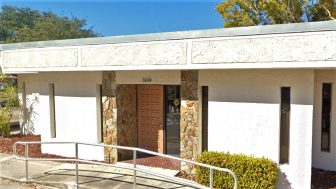
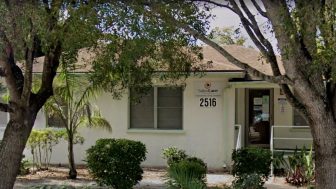
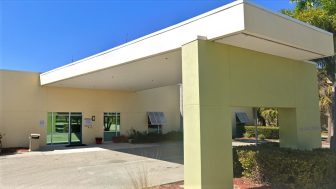
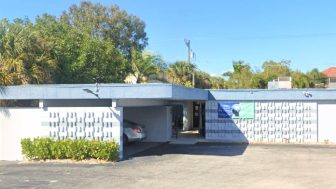
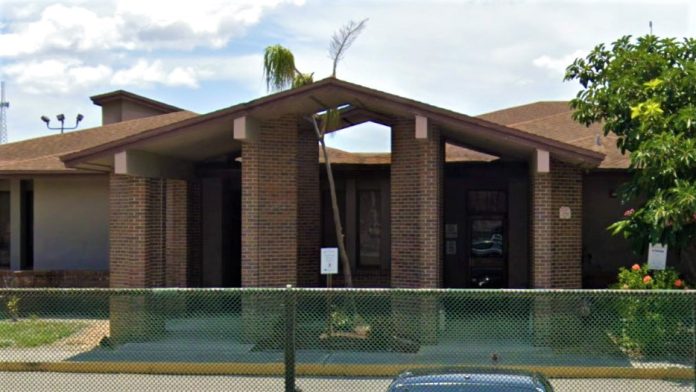
SalusCare -- Vince Smith Campus is a not for profit behavioral health and substance abuse treatment center in Fort Myers, Florida. This location is the residential treatment services branch of the SalusCare network. They have programs for teens (18 to 19 years old) and adults seeking treatment. They provide services to the client regardless of their ability to pay. Services offered at the Vince Smith Campus include inpatient residential treatment, education groups, one on one counseling, group counseling, and education support services. When applying, priority is given to new clients who are using intravenous drugs, are pregnant, or are women who have children.
The Vince Smith Campus specializes in providing education support for teen clients. Clients can continue their education through services provided by the Lee County School District for those in grades 7 through 12. Clients can also get their GED during their stay. SalusCare's campus is accredited by the Commission on Accreditation of Rehabilitation Facilities.
Amenities
Private drug rehab provides a comfortable, secure environment that allows you to focus on doing the work to get your life back on track. Benefits include a higher staff-to-client ratio, increased one-on-one time with therapists and healthcare providers, private rooms for clients, and customized forms of therapy.
Residential drug rehab provides the comforts of home with the therapeutic support needed to successfully recover. Benefits of an inpatient program include increased safety, a higher success rate, and the time and distance given to focus on recovery. Residential drug rehabs are often the preferred method of treatment, as they can be tailored to meet specific needs, offer focused therapeutic care, and provide the necessary tools to sustain recovery.
In order to maintain a sense of autonomy, many private rehab facilities offer clients the ability to choose their own private rooms. The privacy and personal space ensure that the recovery process is as comfortable as possible.
Addiction Treatment Programs
Young adults often develop addiction for different reasons than older individuals. That’s why a young adult program in Florida focuses on the unique pressures, needs, and challenges faced by young adults.
Treatment at an adult program in Florida addresses the needs of each individual as they work toward recovery. Programs are designed for men and women ages 18 and up, and include a variety of treatment protocols to match the severity of the addiction, type of substance, and personal situation.
Each alcohol rehab in Florida offers unique amenities and approaches, but most follow the same general guidelines. Treatment includes detox, rehabilitation, and maintenance. This is a proven approach to provide the greatest results for long-term recovery.
Often, women who have a substance use disorder also have a co-occurring disorder. Women’s rehab in Florida often addresses both the addiction and mental health disorder with dual diagnosis treatment.
Opioid rehab in Florida provides the care you need to help you safely and comfortably navigate a path to recovery. Treatment addresses both emotional and physical aspects of addiction, offering individualized tracks and custom programs.
Cognitive behavioral therapy in Florida helps people in treatment to revisit painful thoughts and memories and learn new ways to cope with them. These newly-learned techniques replace substance use and help the individual maintain sobriety.
Therapists use rational emotive behavioral therapy in Florida to help individuals evaluate their irrational beliefs surrounding their substance use behaviors. This therapy helps participants change patterns of thinking and behavior to overcome addiction.
Assertive Community Treatment (ACT) is an integrative, community-based care strategy designed to address the needs of persons with severe and/or complex mental illness or behavioral disorders. ACT is typically provided by a multidisciplinary team of medical and mental health care providers, social workers, therapists, and other specialists, including addiction recovery professionals. These services are frequently provided in the home and community to clients in crisis, those who are clinically unstable, and those who are unable or unwilling to travel to a hospital or clinic for in-person treatment.
Levels of Care
Outpatient rehab in Florida focuses on relapse prevention and long-term recovery. It typically includes several counseling sessions per week as well as membership in a support group such as NA or AA. This treatment can last several weeks or several months, based on your ongoing needs.
If you are struggling with both an addiction and a mental health disorder, treatment for dual diagnosis in Florida is necessary for successful recovery. This multidisciplinary approach treats both substance abuse and co-occurring disorders such as bipolar disorder, eating disorders, depression, or anxiety.
During initial rehab treatment, you learn how to get sober. Aftercare rehab in Florida helps you learn how to stay sober. Through ongoing counseling, support groups, and life coaching, you’ll develop skills to maintain sobriety as you live a successful life in recovery. This support may last up to a year or more, to keep you on the right track.
Inpatient drug rehab in Florida allows you to receive round-the-clock supervised care while living at the facility. A combination of treatment interventions is typically offered, including individual and group therapy, nutritional counseling, experiential therapies, and medication management.
Sober living in Florida provides supervised living arrangements that give you structured support during early months of recovery. In this environment, you’ll live with others in recovery, offering mutual support. You’ll adhere to house rules that typically include random drug tests, attendance at 12-step meetings, a curfew, and household chores.
Drug rehabs in Florida offering partial hospitalization programs (PHPs) allow you to live at home while still receiving care at a treatment facility. As a type of outpatient treatment, PHPs typically require an average of five to seven visits a week, ranging from four to eight hours in length.
Accreditations
Contact Information


 Sponsored