SalusCare – Grand Avenue
 Sponsored
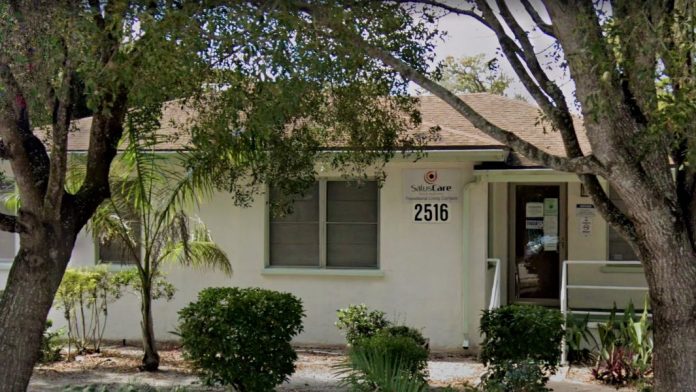
About SalusCare – Grand Avenue
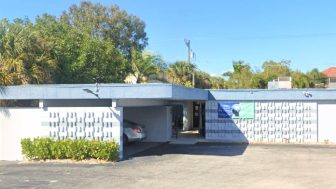
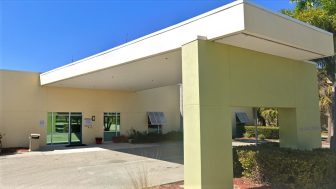
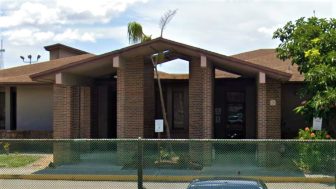
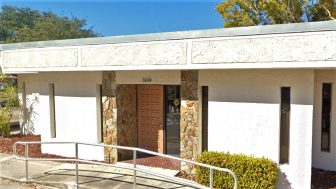
SalusCare's Transitional Living Campus (TLC) is a nonprofit adult substance use treatment location in Fort Myers, Florida offering both residential care and flexible or extended day as well as evening programming.
The campus serves adults recovering from substance use disorders including those with co-occurring mental health conditions and welcomes those with histories of trauma, domestic violence, or sexual abuse.
SalusCare is built on a mission of accessible community centered recovery and I noted they maintain low barriers for those who have been stigmatized or criminalized because of addiction.
Residential Treatment and Recovery Living
SalusCare's core strength is its full continuum of care pairing a 20-bed co-ed short-term residential program with gender-specific transitional housing.
Residents can step down into longer-term recovery living including a 14-bed women's house and a 16-bed men's house. Medication-assisted treatment is also available helping address both the physical and behavioral roots of addiction.
Treatment draws on cognitive behavioral therapy and motivational interviewing, relapse-prevention support, and 12-step facilitation delivered through counseling.
Peer-Led Transitional Housing and Recovery Rebuilding
I discovered the transitional residences are peer led and peer governed which fosters a safe home like recovery community.
Residents work toward stability through vocational training and educational support, life skills development, and discharge planning that helps them progress toward employment and independent living.
Amenities
Private drug rehab provides a comfortable, secure environment that allows you to focus on doing the work to get your life back on track. Benefits include a higher staff-to-client ratio, increased one-on-one time with therapists and healthcare providers, private rooms for clients, and customized forms of therapy.
Residential drug rehab provides the comforts of home with the therapeutic support needed to successfully recover. Benefits of an inpatient program include increased safety, a higher success rate, and the time and distance given to focus on recovery. Residential drug rehabs are often the preferred method of treatment, as they can be tailored to meet specific needs, offer focused therapeutic care, and provide the necessary tools to sustain recovery.
In order to maintain a sense of autonomy, many private rehab facilities offer clients the ability to choose their own private rooms. The privacy and personal space ensure that the recovery process is as comfortable as possible.
Addiction Treatment Programs
Young adults often develop addiction for different reasons than older individuals. That’s why a young adult program in Florida focuses on the unique pressures, needs, and challenges faced by young adults.
Treatment at an adult program in Florida addresses the needs of each individual as they work toward recovery. Programs are designed for men and women ages 18 and up, and include a variety of treatment protocols to match the severity of the addiction, type of substance, and personal situation.
Each alcohol rehab in Florida offers unique amenities and approaches, but most follow the same general guidelines. Treatment includes detox, rehabilitation, and maintenance. This is a proven approach to provide the greatest results for long-term recovery.
Gender-specific addiction treatment gives men who are struggling with substance use disorders a connection point to other men with similar struggles. This common ground can make a huge impact on men’s rehab in Florida.
Often, women who have a substance use disorder also have a co-occurring disorder. Women’s rehab in Florida often addresses both the addiction and mental health disorder with dual diagnosis treatment.
Opioid rehab in Florida provides the care you need to help you safely and comfortably navigate a path to recovery. Treatment addresses both emotional and physical aspects of addiction, offering individualized tracks and custom programs.
Cognitive behavioral therapy in Florida helps people in treatment to revisit painful thoughts and memories and learn new ways to cope with them. These newly-learned techniques replace substance use and help the individual maintain sobriety.
Florida residents who are struggling with substance abuse don’t have to face their challenges alone. Drug rehab in Florida provides quality treatment to help individuals overcome addiction and make a full recovery.
If you're over the age of 65, elderly rehab in Florida gives you the opportunity to be in a treatment program with your peers. This tends to be helpful for older adults because they can receive mutual support and acceptance from their peers. These programs are specifically designed for seniors.
Often, women who have a substance use disorder also have a co-occurring disorder. Women’s rehab in Florida often addresses both the addiction and mental health disorder with dual diagnosis treatment.
Veteran’s rehab in Florida offers programs for alcohol and substance use disorders specifically for Veterans. Treatment focuses on the needs of this population that differ from others, such as combat trauma and adjustments to civilian life.
Therapists use rational emotive behavioral therapy in Florida to help individuals evaluate their irrational beliefs surrounding their substance use behaviors. This therapy helps participants change patterns of thinking and behavior to overcome addiction.
Fitness therapy is an evidence-based complementary approach to addiction recovery and mental health care. Based on mounting scientific evidence of the benefits of physical activity in improving mood, enhancing clients’ sense of wellbeing, and decreasing depression and anxiety, fitness therapy encompasses a wide spectrum of intensities, from gentle yoga, qigong, and tai chi to weight training, kickboxing, and other highly physical activities.
Levels of Care
Outpatient rehab in Florida focuses on relapse prevention and long-term recovery. It typically includes several counseling sessions per week as well as membership in a support group such as NA or AA. This treatment can last several weeks or several months, based on your ongoing needs.
If you are struggling with both an addiction and a mental health disorder, treatment for dual diagnosis in Florida is necessary for successful recovery. This multidisciplinary approach treats both substance abuse and co-occurring disorders such as bipolar disorder, eating disorders, depression, or anxiety.
During initial rehab treatment, you learn how to get sober. Aftercare rehab in Florida helps you learn how to stay sober. Through ongoing counseling, support groups, and life coaching, you’ll develop skills to maintain sobriety as you live a successful life in recovery. This support may last up to a year or more, to keep you on the right track.
Inpatient drug rehab in Florida allows you to receive round-the-clock supervised care while living at the facility. A combination of treatment interventions is typically offered, including individual and group therapy, nutritional counseling, experiential therapies, and medication management.
Sober living in Florida provides supervised living arrangements that give you structured support during early months of recovery. In this environment, you’ll live with others in recovery, offering mutual support. You’ll adhere to house rules that typically include random drug tests, attendance at 12-step meetings, a curfew, and household chores.
Intervention services in Florida can help you plan an intervention, facilitate the intervention, provide invaluable resources you and your loved one, and assist with executing a treatment plan through a qualified drug rehab in Florida. These services are often key to getting a loved one on the path to recovery.
Drug rehabs in Florida offering partial hospitalization programs (PHPs) allow you to live at home while still receiving care at a treatment facility. As a type of outpatient treatment, PHPs typically require an average of five to seven visits a week, ranging from four to eight hours in length.
Accreditations
Accepted Insurance


Contact Information


 Sponsored
Kimberly Hawkins holds a master’s degree in computing and information sciences from East Tennessee State University. She is a content writer specializing in alcoholism, drug addiction, and co-occurring disorders. Kimberly has been passionate about the subject of addiction since her only sibling passed away due to an accidental overdose. Her other interests include playing the piano, being in tranquil natural environments, and spending time with her adult children.
Rehabs.org regularly reviews this listing for accuracy but changes may occur between updates. For the most up-to-date information, please contact SalusCare – Grand Avenue.