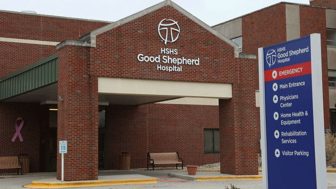
HSHS St. Mary’s Hospital
1800 East Lake Shore Drive
Decatur, IL 62521
 Sponsored
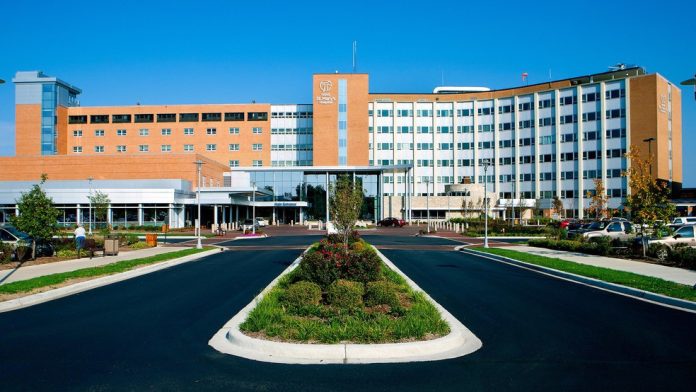
About HSHS St. Mary’s Hospital
HSHS St. Mary's Hospital is a comprehensive medical facility in Decatur, Illinois offering integrated substance use disorder services and behavioral health support for adults. Through a dedicated partnership with Gateway Foundation, the hospital provides a vital "warm handoff" program to connect individuals in crisis directly to ongoing addiction treatment. This collaborative approach focuses on seamless continuity of care, leveraging staff with lived experience to offer immediate intervention and coping skill support.
A Model of Continuous Care
Treatment often begins in the hospital's emergency department, which features specialized behavioral health rooms for assessment and stabilization. From there, the warm handoff team, including certified counselors, facilitates a direct and supported transition to Gateway Foundation’s residential or outpatient addiction treatment programs.
We like that this model is designed to reduce barriers to care by coordinating referrals and providing role modeling from peers. While the hospital previously offered an inpatient behavioral health unit for short-term stabilization, those services are transitioning, with the warm handoff ensuring patients are connected to appropriate ongoing care.
Key Details About St. Mary's Behavioral Health Services
- Location: A scenic 21-acre campus on Lake Shore Drive in Decatur, IL, serving central Illinois communities.
- Primary Services: Emergency assessment and a warm handoff program to addiction treatment partners.
- Who they treat: Adults (age 18+) seeking help for substance use and co-occurring behavioral health challenges.
- Treatment Approach: Crisis intervention, seamless referrals, and support from staff with lived experience.
- Payment options: Accepts private insurance, Medicare, and Medicaid for hospital services.
- Amenities: 144 bed facility with all private rooms, a modern emergency department, and a lakeside campus.
- Aftercare and Support: Continuity of care is managed through the partnership with Gateway Foundation for ongoing treatment.
Recovery with the Robust Care of a Hospital
We like that individuals in need of support can access services through the St. Mary's Hospital emergency department in Decatur, where they will be assessed and connected to the warm handoff program. The dedicated team can explain the connection process to treatment and discuss available payment options.
Amenities
Private drug rehab provides a comfortable, secure environment that allows you to focus on doing the work to get your life back on track. Benefits include a higher staff-to-client ratio, increased one-on-one time with therapists and healthcare providers, private rooms for clients, and customized forms of therapy.
Music can be extremely therapeutic, serving as a valuable healing tool and an integrative feature of a holistic treatment plan. A music room offers a large number of outlets, including singing, playing musical instruments, and listening to music.
Addiction treatment in the metro area benefits clients by offering seamless connections from the city, around the state, and those seeking out-of-state treatment. Another benefit of attending a metro area drug rehab is that you’re close to major airports and ground transportation services.
Business centers are a preferred amenity in many mental health and addiction recovery facilities and typically feature secure, high-speed internet, computer stations, printers, and related business technologies. Business centers are designed to enable professionals and students to continue to participate in work or school activities without leaving the treatment facility.
Addiction Treatment Programs
Some of the most common services offered in a young adult program in Illinois include individual and group counseling, medication management, educational courses, and 12-step programs. These programs are tailored to address the challenges of this stage of life.
Individuals who are struggling with addiction to drugs or alcohol can get support at an adult program in Illinois. Designed for men and women over the age of 18, these programs offer rehabilitation treatment and recovery services.
Each alcohol rehab in Illinois is unique, but most include three basic aspects of treatment: medical detox, psychotherapy, and medication. Through these methods, participants receive treatment for the physical, mental, and emotional aspects of alcohol use disorder.
Men’s rehab in Illinois typically includes individual, group, and family therapies. Group sessions are conducted with men only, which encourages greater vulnerability and sharing opportunities among participants.
Women who have substance use disorders are more likely than men to have co-occurring mental health disorders. Women’s rehab in Illinois often provides treatment for dual diagnosis, so women can get help for their addiction and disorders such as anxiety or depression.
Learn the skills you need to break free from opioid dependence at opioid rehab in Illinois. Program options include detox, inpatient rehab, outpatient rehab, counseling, and medication assisted treatment programs, which are tailored to meet the needs of the individual.
Drug rehab in Illinois is designed to help men and women recover from drug addiction. The length of the program and its intensity vary, based on the individual’s needs. It’s important to find the right program to suit your unique situation and challenges.
Levels of Care
Outpatient rehab in Illinois may be brief or long-term, depending on the individual. During this time, you will maintain membership in a support group as well as attend one-on-one counseling sessions. The focus is ongoing development of life skills that will prevent relapse.
The first step toward a drug-free future is typically detox. This initial phase of drug rehab in Illinois can last up to a week. During this time, addictive substances are slowly and safely cleansed from your body.
In many cases, drug rehab in Illinois begins with intervention. Professional intervention services are available to help you facilitate an intervention, develop a treatment plan, and choose the program that best suits your loved one’s needs.
Partial hospitalization programs (PHPs) in Illinois are often a good fit for those who have work or family obligations that would otherwise exclude them from participating in an inpatient program. PHPs typically require an average treatment commitment of five to seven onsite visits a week, each ranging from four to eight hours in length.
Accepted Insurance






Contact Information


 Sponsored