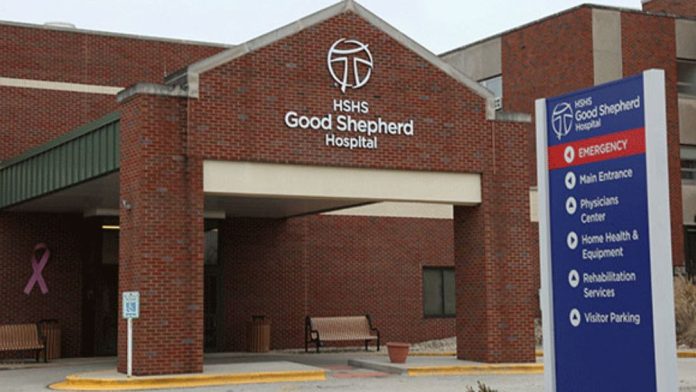
HSHS Good Shepherd Hospital
 Sponsored
About HSHS Good Shepherd Hospital
HSHS Good Shepherd Hospital is a hospital based provider of substance use treatment in Shelbyville, Illinois offering medically supervised detox and stabilization for adults through its New Vision program.
This Catholic not for profit critical access hospital serves as Shelby County's only hospital and a frontline resource for those facing active or impending withdrawal.
I like that its approach centers on safe and physician guided care with connections to follow up recovery services.
Withdrawal Management and Detox
Care typically begins with a physician assessment to determine medical eligibility for inpatient detox.
From there, adults experiencing withdrawal from alcohol or other drugs receive medically supervised inpatient stabilization, usually lasting around three days.
I want to note that treatment emphasizes safe withdrawal management, discharge planning and referrals to ongoing recovery resources.
The hospital also integrates substance use response into its emergency department through screening, referral and warm handoff services that connect patients directly to treatment.
What to Know
- Location: Shelbyville, Illinois the only hospital in Shelby County
- Levels of care: Hospital based medically supervised detox and stabilization
- Who they treat: Adults experiencing withdrawal from alcohol or other drugs
- Approach: Physician led assessment, medically monitored care and discharge planning
- Payment options: Admissions can help clarify insurance and Medicaid, Medicare and financial assistance
- Setting: A Catholic not for profit critical access hospital serving the community for more than a century
- Additional support: Emergency department screening and warm handoff referrals to treatment
Amenities
Private drug rehab provides a comfortable, secure environment that allows you to focus on doing the work to get your life back on track. Benefits include a higher staff-to-client ratio, increased one-on-one time with therapists and healthcare providers, private rooms for clients, and customized forms of therapy.
Residential drug rehab provides the comforts of home with the therapeutic support needed to successfully recover. Benefits of an inpatient program include increased safety, a higher success rate, and the time and distance given to focus on recovery. Residential drug rehabs are often the preferred method of treatment, as they can be tailored to meet specific needs, offer focused therapeutic care, and provide the necessary tools to sustain recovery.
In order to maintain a sense of autonomy, many private rehab facilities offer clients the ability to choose their own private rooms. The privacy and personal space ensure that the recovery process is as comfortable as possible.
Addiction Treatment Programs
Some of the most common services offered in a young adult program in Illinois include individual and group counseling, medication management, educational courses, and 12-step programs. These programs are tailored to address the challenges of this stage of life.
Individuals who are struggling with addiction to drugs or alcohol can get support at an adult program in Illinois. Designed for men and women over the age of 18, these programs offer rehabilitation treatment and recovery services.
Each alcohol rehab in Illinois is unique, but most include three basic aspects of treatment: medical detox, psychotherapy, and medication. Through these methods, participants receive treatment for the physical, mental, and emotional aspects of alcohol use disorder.
Men’s rehab in Illinois typically includes individual, group, and family therapies. Group sessions are conducted with men only, which encourages greater vulnerability and sharing opportunities among participants.
Women who have substance use disorders are more likely than men to have co-occurring mental health disorders. Women’s rehab in Illinois often provides treatment for dual diagnosis, so women can get help for their addiction and disorders such as anxiety or depression.
Learn the skills you need to break free from opioid dependence at opioid rehab in Illinois. Program options include detox, inpatient rehab, outpatient rehab, counseling, and medication assisted treatment programs, which are tailored to meet the needs of the individual.
In Illinois, cognitive behavioral therapy is an effective method for addiction treatment. It teaches effective communication skills, provides tools to help people improve mood, and empowers participants to dismiss insecurities that can lead to substance abuse.
Drug rehab in Illinois is designed to help men and women recover from drug addiction. The length of the program and its intensity vary, based on the individual’s needs. It’s important to find the right program to suit your unique situation and challenges.
Assertive Community Treatment (ACT) is an integrative, community-based care strategy designed to address the needs of persons with severe and/or complex mental illness or behavioral disorders. ACT is typically provided by a multidisciplinary team of medical and mental health care providers, social workers, therapists, and other specialists, including addiction recovery professionals. These services are frequently provided in the home and community to clients in crisis, those who are clinically unstable, and those who are unable or unwilling to travel to a hospital or clinic for in-person treatment.
Levels of Care
Inpatient rehab in Illinois features intensive clinical supervision and a highly structured and supportive environment, meaning this level of care is especially well suited for clients just beginning their recovery journey and those at risk of relapse.
The first step toward a drug-free future is typically detox. This initial phase of drug rehab in Illinois can last up to a week. During this time, addictive substances are slowly and safely cleansed from your body.
Sober living in Illinois offers an environment where you can focus on your recovery journey. You’ll live in a drug-free residence, where you’ll contribute to household bills and chores, attend 12-step meetings, and submit to random drug testing. This structured environment can be helpful to maintain sobriety during the first few months of recovery.
Partial hospitalization programs (PHPs) in Illinois are often a good fit for those who have work or family obligations that would otherwise exclude them from participating in an inpatient program. PHPs typically require an average treatment commitment of five to seven onsite visits a week, each ranging from four to eight hours in length.
Accreditations
Contact Information


 Sponsored
Natalie is a recent graduate of Purdue University, where she studied psychology and creative writing. Every morning, she’s fueled by a cup of tea and her passion for making sure mental health resources are accessible to everyone. In her spare time, she loves writing poetry by her window, where she can watch the sunrise.
Rehabs.org regularly reviews this listing for accuracy but changes may occur between updates. For the most up-to-date information, please contact HSHS Good Shepherd Hospital.