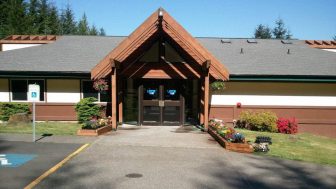
Inpatient Behavioral Health at PeaceHealth St. John Medical Center
1615 Delaware Street
Longview, WA 98632
 Sponsored
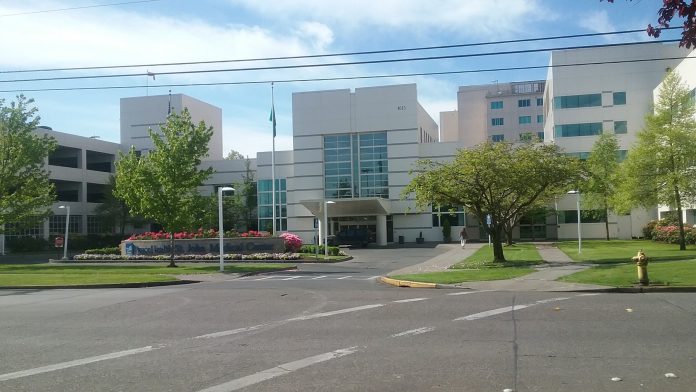
About Inpatient Behavioral Health at PeaceHealth St. John Medical Center
Saint John Medical Center Behavioral Health, located inside PeaceHealth St. John Medical Center in Longview, Washington, provides hospital based inpatient behavioral health care for individuals experiencing acute psychiatric symptoms and mental health crises.
We like that the unit serves children, adolescents, adults and seniors with 24 hour support from an interdisciplinary team of psychiatrists, nurses, social workers and therapists. PeaceHealth uses a strength based treatment philosophy designed to help patients stabilize and transition safely back to their communities.
Hospital Based Inpatient Behavioral Health Care
The inpatient behavioral health unit offers acute stabilization within a secure, structured hospital setting on the third floor of St. John Medical Center. Patients receive around the clock medical and psychiatric support, with individualized treatment planning tailored to immediate safety and symptom management needs.
Care emphasizes trauma informed approaches and post discharge planning to ensure continuity after leaving the hospital. The multidisciplinary team collaborates to address both immediate crisis needs and longer term recovery goals, with structured group therapy and individual sessions designed to build coping skills and resilience.
Access, Insurance and Getting Started
The inpatient unit in PeaceHealth St. John Medical Center, with detailed wayfinding available on site. PeaceHealth also offers outpatient behavioral health services at a separate Longview location on Broadway Street.
PeaceHealth accepts many insurance plans including Aetna, Cigna, Medicaid, Medicare, Premera Blue Cross and Regence and offers payment plans and sliding scale fees based on income and family size.
Addiction Treatment Programs
For those aged 18 and older, an adult program in Washington can help in overcoming addiction. You can get effective treatment for substance use disorders and related mental health issues at the level of care that works best for you.
Cognitive behavioral therapy in Washington teaches healthy coping strategies. Treatment includes setting goals, learning communication skills, and cognitive-behavioral strategies to manage triggers.
LGBTQ individuals can find LGBTQ-friendly rehab in Washington. These programs offer services that are similar to general-population programs but are geared toward common LGBTQ experiences.
Veteran’s rehab in Washington offers treatment to help Veterans cope with trauma, manage triggers, develop coping skills, and prevent relapse. Programs address mental health symptoms as well as addiction, to provide comprehensive recovery treatment.
An elderly rehab in Washington is customized for the age, health, and psychological concerns of older adults. Treatment provides relevant resources that address issues specific to this population.
Options for a young adult program in Washington include residential programs, sober living homes, recovery support groups, specialized counseling, family therapy, alternative therapy, and social skills development. These rehab treatments often include therapy to address co-occurring disorders.
Levels of Care
When substance abuse and mental illness are both present, you need specialized treatment to achieve recovery. Both the substance abuse and mental health disorder must be treated by dual diagnosis treatment in Washington.
You don’t have to face life alone after you complete rehab. Aftercare rehab in Washington provides ongoing support as you begin your new life in recovery. You’ll receive practical, emotional, and mental support to overcome hurdles and maintain sobriety.
Inpatient alcohol and drug rehab in Washington offers the most intensive level of care for those who need 24/7 clincial supervision. You will live at the facility for four to 12 weeks, and receive treatment such as individual and group therapy, medication, and recreational therapies.
Partial hospitalization programs (PHPs) in Washington provide a balance of structured treatment and personal responsibility for your recovery process. You will attend on-site treatment sessions five to seven days a week for several hours each day, then return home afterwards.
Accepted Insurance






Contact Information


 Sponsored