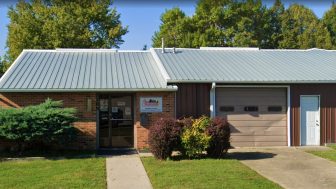
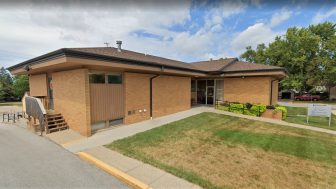
St. Gregory Recovery Center
601 2nd Street
Bayard, IA 50029
 Sponsored
About St. Gregory Recovery Center
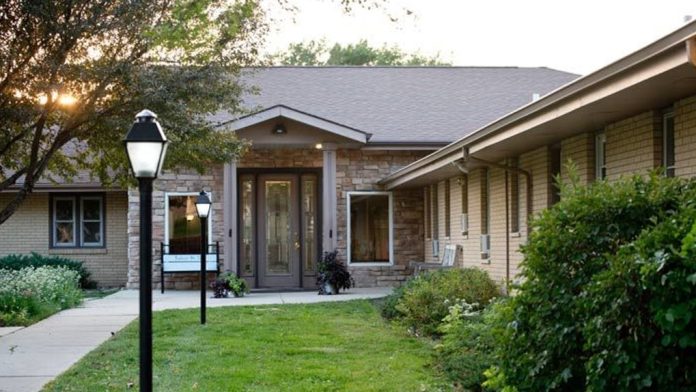
St. Gregory Recovery Center is a drug and alcohol rehab facility in Bayard, Iowa. They accept most private insurance policies but not Medicare or Medicaid. They provide detox, inpatient and outpatient treatments and also have programs for military and first responders. They are proud to be CARF accredited and LBGTQ+ inclusive.
The detox process helps you have a soothing environment to go through the withdrawal symptoms comfortably. Medical professionals will manage your symptoms and help you take those first steps toward breaking your addiction. When you approach detox safely like this, it helps alleviate your pain and can reduce your risk of relapse.
St. Gregory offers an exclusive spiritual program that can help you change your addictive lifestyle. They explore seven virtues as a path for transforming lives. They also help you take a good look at where you are and begin cognitive behavior modification training.
Their program identifies and teaches you how to be satisfied with your life without substances. Another big component is that they’ll help you create a plan for your future. This plan will take into account your talents and your goals and will help you find joy in your career and relationships. Your therapists will work with you to make sure that you're able to transition out of the program feeling confident about your next steps.
I like that all alumni have aftercare access for 12 months. They use a secure web app called Trac9, which uses assessments to track data about your progress. This way, they'll be able to see changes and confirm your commitment to sobriety, your optimism, your responses to cravings and changes to your stress level. This data is put together into an easy to read graph that will then help the St. Gregory staff know if they need to follow up with you.
Amenities
Private drug rehab provides a comfortable, secure environment that allows you to focus on doing the work to get your life back on track. Benefits include a higher staff-to-client ratio, increased one-on-one time with therapists and healthcare providers, private rooms for clients, and customized forms of therapy.
Residential drug rehab provides the comforts of home with the therapeutic support needed to successfully recover. Benefits of an inpatient program include increased safety, a higher success rate, and the time and distance given to focus on recovery. Residential drug rehabs are often the preferred method of treatment, as they can be tailored to meet specific needs, offer focused therapeutic care, and provide the necessary tools to sustain recovery.
Recreational therapy uniquely combines therapeutic interventions with an activity, like horse-riding, hiking, wilderness therapy, basketball, tennis, or a full workout. Benefits of recreational therapy include providing a healthy way to work through the emotions of recovery, learning to build and maintain relationships, improving communication skills, and building self-esteem.
Yoga and meditation are great activities to support your recovery process during alcohol or drug rehab. These therapies have been around for centuries, and they are an effective way to improve well-being. Combining addiction treatment, yoga, and meditation can reduce cravings, improve sleep, relieve anxiety and depression, provide stress relief, promote relaxation, support emotional healing, and improve energy levels.
Treatment centers with a yoga studio offer a special form of holistic therapy during the recovery process. Yoga boosts mindfulness, a sense of calm, and healthy reflection during drug rehab via breathing exercises, stretching, and a progression of specific postures.
In order to maintain a sense of autonomy, many private rehab facilities offer clients the ability to choose their own private rooms. The privacy and personal space ensure that the recovery process is as comfortable as possible.
Wilderness rehab programs offer all the benefits of a traditional drug rehab, but with the added benefits of outdoor adventure. Venture out into the forest to learn new skills, explore the beauty of nature, and relieve stress. Engaging in wilderness activities is a great way to gain self-discovery and release negative emotions.
When used as part of an evidence-based treatment plan, basketball can boost physical and mental health, lead to sharper thinking, and facilitate improved self-esteem. Drug rehabs with a basketball court also place a focus on teamwork and cooperation.
Business centers are a preferred amenity in many mental health and addiction recovery facilities and typically feature secure, high-speed internet, computer stations, printers, and related business technologies. Business centers are designed to enable professionals and students to continue to participate in work or school activities without leaving the treatment facility.
Addiction Treatment Programs
A young adult program in Iowa specializes in addiction treatment for young people from their teen years through their late 20s. Some include adults up through age 32. Treatment focuses on recovery challenges that are specific to this stage of life.
Treatment at an adult program in Iowa is targeted for men and women over the age of 18. These recovery services focus on establishing healthy coping skills that allow individuals to stop abusing substances.
The journey through alcohol rehab in Iowa typically involves four key phases. Treatment initiation is followed by early abstinence. Participants then learn how to maintain abstinence, and finally enter advanced recovery. These steps teach individuals how to develop and maintain a healthy, sober lifestyle.
Men’s rehab in Iowa offers multiple levels of care. Treatment programs designed for men include inpatient, outpatient, partial hospitalization programs (PHP), intensive outpatient programs (IOP), detox, and sober living.
Opioid rehab in Iowa is more comprehensive than many people imagine. This treatment addresses physical, mental, emotional, and relational issues that contribute to opioid abuse. Most successful programs offer comprehensive care that includes detox, behavioral therapy, medication assisted treatment, and aftercare support.
Triggers can cause a person who is addicted to crave a substance and relapse. Cognitive behavioral therapy in Iowa teaches people how to manage these triggers in multiple ways that don’t involve turning to substances.
Drug rehab in Iowa is available in many formats. A variety of inpatient and outpatient options provide programs tailored to individual needs. The aim of each is to help participants recover from drug addiction.
Women and men react differently biologically, emotionally, and socially to substance abuse and addiction. That’s why women’s rehab in Iowa provides treatment targeted to meet women’s needs.
Veteran’s rehab in Iowa offers evidence-based treatment that addresses the full needs of Veterans who are facing addiction. Treatment may include family therapy, group therapy, individual therapy, life skills training, wellness programs, and relapse prevention.
When you attend rehab, your substance abuse treatment plan may include rational emotive behavioral therapy in Iowa. This evidence-based method helps regulate feelings, thoughts, and behaviors through action-oriented therapy.
Animal & equine therapy are evidence-based complementary therapies drawing on the emotional, psychological, and physiological benefits of regular contact with animals. Addiction recovery programs may incorporate the care of therapy dogs, cats, horses, and other animals into their treatment model to support clients’ development of recovery-focused life skills, including personal responsibility, time management, and empathy. Contact with therapy animals may reduce stress, enhance mood, decrease depression and anxiety, and increase clients’ self-esteem and sense of wellbeing.
Assertive Community Treatment (ACT) is an integrative, community-based care strategy designed to address the needs of persons with severe and/or complex mental illness or behavioral disorders. ACT is typically provided by a multidisciplinary team of medical and mental health care providers, social workers, therapists, and other specialists, including addiction recovery professionals. These services are frequently provided in the home and community to clients in crisis, those who are clinically unstable, and those who are unable or unwilling to travel to a hospital or clinic for in-person treatment.
Levels of Care
Outpatient rehab in Iowa is tailored to fit each person’s needs. It may last a few weeks or more than a year. During that time, you will attend regular therapy sessions and receive support from a group such as AA or NA. This treatment will help you put strategies in place to prevent relapse and promote recovery.
Iowa dual diagnosis treatment centers focus on treating both mental health and substance abuse disorders. Since these two conditions interact heavily, this dual program is crucial to meet the needs of those who have co-occurring disorders.
Once you’ve completed treatment, Iowa aftercare rehab helps you adapt to everyday life. It addresses issues and challenges associated with recovery. It offers practical support to help you maintain a sober lifestyle. This may continue as long as you need it, which for most people is at least one year after initial sobriety.
Also known as residential treatment, inpatient rehab in Iowa typically involves group and individual therapy, family therapy, medication management, and other therapy methods. Participants receive these treatments while living at the facility under 24/7 care.
Iowa sober living is less intensive than rehab treatment programs. It provides structure and support as you live independently and practice maintaining a sober lifestyle. You’ll reside with others in recovery, attend 12-step meetings, and contribute to household responsibilities. This arrangement can continue until you’re ready to live on your own.
Intervention specialists on staff will help you plan and facilitate your loved one's intervention. They offer access to valuable resources and can assist with the transportation and admission process at a drug rehab in Iowa. These services are often key to getting a loved one to accept the treatment they need.
Partial hospitalization programs (PHPs) in Iowa allow you to receive treatment while living at home and continuing to meet important personal and professional obligations. Less intensive than inpatient programs, PHPs require you to attend onsite addiction treatment for several hours multiple times per week.
During detox in Iowa, your body is slowly and safely cleansed of all addictive substances. This is typically the first step of drug rehab in Iowa. It involves 24/7 professional supervision and may include medication to treat withdrawal.
Accreditations
Contact Information


 Sponsored