OSF Saint Elizabeth Medical Center – Ottawa
 Sponsored
About OSF Saint Elizabeth Medical Center – Ottawa
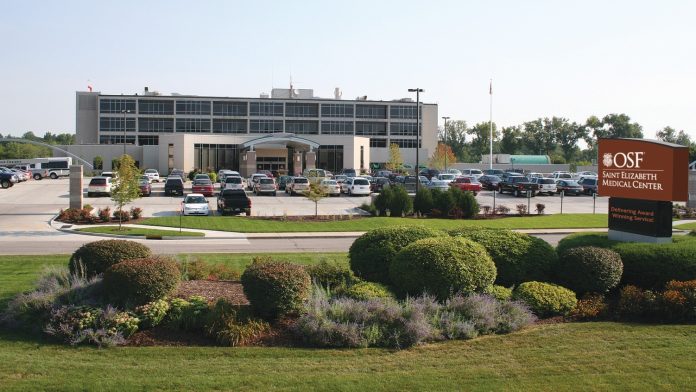
OSF Saint Elizabeth Medical Center in Ottawa, Illinois is an acute care hospital offering comprehensive behavioral and mental health services. Located on the banks of the Fox River the hospital serves clients throughout the Illinois Valley region.
OSF's behavioral health continuum integrates hospital based stabilization with structured day programs and outpatient support to help patients transition safely through each stage of recovery.
I found that they can provide treatment for co-occurring mental health disorders but refer clients needing substance use treatment.
Behavioral Health Programs at OSF Saint Elizabeth
Adults experiencing acute psychiatric crises can access inpatient psychiatric hospitalization for stabilization of conditions such as severe depression, bipolar disorder, anxiety disorders, PTSD, and psychosis. The partial hospitalization program offers weekdays with several hours per day in a structured setting.
PHP offers group therapy which I noted is facilitated by master's level psychotherapists. They also provide recreational therapy and education.
Quick Facts About OSF Saint Elizabeth Behavioral Health
- Location: Ottawa, Illinois on the edge of town along the Fox River; easily accessible with campus maps and parking resources
- Levels of care: Adult inpatient psychiatric hospitalization, partial hospitalization program, outpatient services, and online therapy
- Approach: Hospital based care combining group therapy, recreational therapy, education, and master's level psychotherapists
- Insurance and payment: Accepts many commercial and Medicare plans; financial assistance and payment plans available
Addiction Treatment Programs
Individuals who are struggling with addiction to drugs or alcohol can get support at an adult program in Illinois. Designed for men and women over the age of 18, these programs offer rehabilitation treatment and recovery services.
In Illinois, cognitive behavioral therapy is an effective method for addiction treatment. It teaches effective communication skills, provides tools to help people improve mood, and empowers participants to dismiss insecurities that can lead to substance abuse.
Women who have substance use disorders are more likely than men to have co-occurring mental health disorders. Women’s rehab in Illinois often provides treatment for dual diagnosis, so women can get help for their addiction and disorders such as anxiety or depression.
Elderly rehab in Illinois encompasses a full range of treatment options. Addiction treatment for seniors includes detox programs, outpatient treatment, residential programs, medication assisted treatment, case management, and dual diagnosis.
Some of the most common services offered in a young adult program in Illinois include individual and group counseling, medication management, educational courses, and 12-step programs. These programs are tailored to address the challenges of this stage of life.
Levels of Care
Inpatient rehab in Illinois features intensive clinical supervision and a highly structured and supportive environment, meaning this level of care is especially well suited for clients just beginning their recovery journey and those at risk of relapse.
Outpatient rehab in Illinois may be brief or long-term, depending on the individual. During this time, you will maintain membership in a support group as well as attend one-on-one counseling sessions. The focus is ongoing development of life skills that will prevent relapse.
An Illinois dual diagnosis program treats both your mental health and recovery needs. Psychiatrists and addiction specialists work together to address co-occurring disorders, such as depression, anxiety, or ADHD.
Accepted Insurance










Contact Information


 Sponsored
Kimberly Hawkins holds a master’s degree in computing and information sciences from East Tennessee State University. She is a content writer specializing in alcoholism, drug addiction, and co-occurring disorders. Kimberly has been passionate about the subject of addiction since her only sibling passed away due to an accidental overdose. Her other interests include playing the piano, being in tranquil natural environments, and spending time with her adult children.
Rehabs.org regularly reviews this listing for accuracy but changes may occur between updates. For the most up-to-date information, please contact OSF Saint Elizabeth Medical Center – Ottawa.